Polyclonal Antibodies
Anti-TPH2 Polyclonal Antibody for WB and ELISA - Q8IWU9
Item Number : CM0015525
Price varies based on specs and customizations
- Application
- WB, ELISA
- Cross Reactivity
- Human, Mouse, Rat
- Protein Weight
- 56kDa

Shipping:
Contact us to get shipping details Enjoy On-time Dispatch Guarantee.
Why Choose Us
Easy ordering process, quality products, and dedicated support for your business success.
Core Product Specifications and Parameters
| Specification | Value |
|---|---|
| Product Name | TPH2 Rabbit pAb |
| Remarks/Alias | NTPH; ADHD7; TPH2 |
| Species | Human |
| GeneID (Human) | 121278 |
| GeneID | 121278 |
| Immunogen | Synthetic peptide|A synthetic peptide corresponding to a sequence within amino acids 1-70 of human TPH2 (NP_775489.2). |
| Source | Rabbit |
| Category | Polyclonal Antibodies |
| Application | WB, ELISA |
| Cross Reactivity | Human, Mouse, Rat |
| SWISS | Q8IWU9 |
| Protein Weight | 56kDa |
| Shipping | Ice bag |
Biological Background: TPH2 Function and Localization
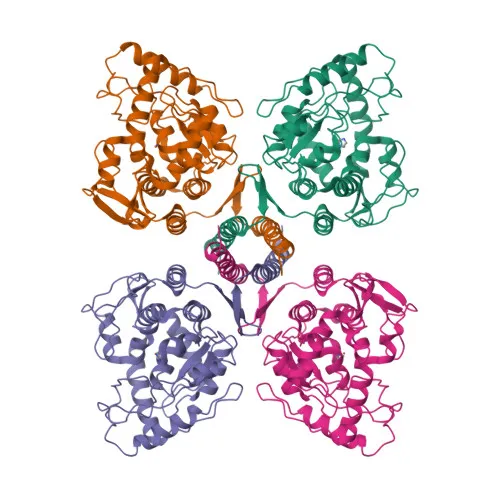
- Tryptophan 5-hydroxylase 2 (TPH2), also known as neuronal tryptophan hydroxylase, is the rate-limiting enzyme in central serotonin biosynthesis, catalyzing the hydroxylation of L-tryptophan to 5-hydroxytryptophan.
- TPH2 is a member of the biopterin-dependent aromatic amino acid hydroxylase family and functions as a monooxygenase/oxidoreductase, requiring iron as a cofactor for catalytic activity.
- The TPH2 gene undergoes alternative splicing and RNA editing, generating multiple isoforms that may have distinct functional properties or regulatory roles.
- TPH2 expression is brain-specific, primarily responsible for serotonin production in the central nervous system, in contrast to the peripheral isoform TPH1.
- The protein is subject to phosphorylation and other post-translational modifications that regulate its activity and stability. Keywords such as "Disease variant" indicate that mutations in TPH2 are linked to neurological disorders (e.g., ADHD7).
- Additional keywords include: 3D-structure, Alternative splicing, Iron, Metal-binding, Monooxygenase, Oxidoreductase, Phosphoprotein, RNA editing, and Serotonin biosynthesis.
Experimental Guidance and Technical Tips
- The immunogen corresponds to the N-terminal region (aa 1–70) of human TPH2, which may help discriminate between TPH2 and TPH1 isoforms. Confirm isoform specificity in your experimental system.
- For Western blot (WB), load brain tissue lysates or neuronal cell extracts as positive controls, given the brain-specific expression of TPH2. The predicted molecular weight is ~56 kDa; validate with an appropriate molecular weight marker.
- In ELISA applications, optimize the antibody dilution and format (direct, indirect, or capture) using recombinant TPH2 protein or synthetic peptide standards.
- Cross-reactivity with mouse and rat TPH2 is expected, but sequence homology should be verified for other species if used.
CamelBio: Your One-Stop Sourcing Bridge
CamelBio offers diagnostic manufacturers, laboratories, and research institutes a comprehensive portfolio of IVD raw materials, backed by technical services and consulting from concept to clinic. This TPH2 rabbit polyclonal antibody is suitable for neuroscience research and serotonin pathway studies. Beyond individual antibodies, CamelBio provides validated antibody pairs, optimized monoclonal/polyclonal antibody panels, bulk ancillary reagents, and rare target raw-material sourcing to support your assay development and production needs.
REQUEST A QUOTE
Our professional team will reply to you within one business day. Please feel free to contact us!