Polyclonal Antibodies
Anti-TOM20 Polyclonal Antibody for WB, IP, IF/ICC, IHC-P, ELISA - Q15388
Item Number : CM0030288
Price varies based on specs and customizations
- Application
- WB, IP, IF/ICC, IHC-P, ELISA
- Cross Reactivity
- Human, Mouse, Rat
- Protein Weight
- 16 kDa

Shipping:
Contact us to get shipping details Enjoy On-time Dispatch Guarantee.
Why Choose Us
Easy ordering process, quality products, and dedicated support for your business success.
Core Product Specifications and Parameters
| Parameter | Value |
|---|---|
| Product Name | TOM20 Rabbit pAb |
| Remarks/Alias | MAS20; MOM19; TOM20 |
| Species | Human |
| Gene ID (Human) | 9804 |
| Gene ID | 9804 |
| Immunogen | Recombinant fusion protein containing a sequence corresponding to amino acids 1-145 of human TOM20 (NP_055580.1). |
| Source | Rabbit |
| Category | Polyclonal Antibodies |
| Application | WB, IP, IF/ICC, IHC-P, ELISA |
| Cross Reactivity | Human, Mouse, Rat |
| SWISS | Q15388 |
| Protein Weight | 16 kDa |
| Shipping | Ice bag |
Biological Background: TOM20 Function and Localization
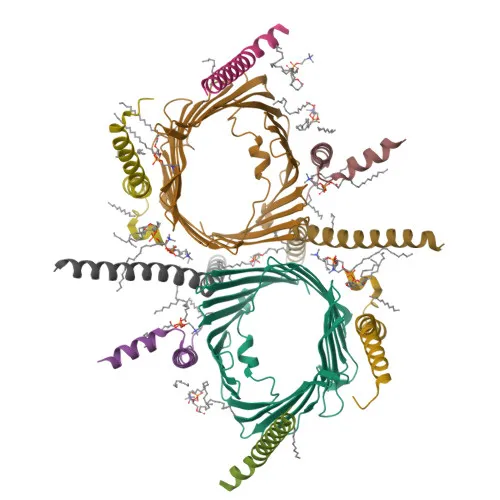
- Acts as the central receptor component of the translocase of the outer membrane (TOM) complex, essential for the recognition and translocation of cytosolically synthesized mitochondrial preproteins. Related references: PMID:40080546
- Together with TOMM22, functions as the transit peptide receptor at the mitochondrial outer membrane, guiding preproteins into the TOM40 translocation pore. Related references: PMID:18331822
- Associates with VDAC2 and PINK1 kinase at depolarized mitochondria, stabilizing PINK1 and triggering mitophagy via recruitment of the E3 ubiquitin ligase PRKN. Related references: PMID:40080546
- Required for the translocation of cytochrome P450 monooxygenases across the mitochondrial outer membrane.
- Localized to the mitochondrial outer membrane; contains a single transmembrane helix.
- Subject to post-translational modifications including phosphorylation and ubiquitination (isopeptide bond formation), contributing to the regulation of mitochondrial protein import and mitophagy.
Experimental Guidance and Technical Tips
- The immunogen corresponds to the N-terminal cytosolic domain (aa 1–145), which is expected to yield robust reactivity in both denaturing and native applications such as WB, IP, and IF.
- For Western blotting, a major band at approximately 16 kDa is anticipated; use appropriate protein ladders and validate specificity with siRNA‑mediated knockdown or knockout cell lines.
- In immunofluorescence or immunohistochemistry, co‑staining with mitochondrial markers (e.g., anti‑TOMM20 itself or other outer membrane proteins) is recommended to confirm mitochondrial localization.
- For immunoprecipitation, isolate mitochondrial‑enriched fractions and optimize antibody‑to‑lysate ratios to efficiently capture the TOM complex; detergent selection may influence complex integrity.
- Reported cross‑reactivity with mouse and rat suggests sequence conservation; nevertheless, always verify reactivity in your specific experimental system.
CamelBio: Your One-Stop Sourcing Bridge
CamelBio serves as a comprehensive IVD raw‑material sourcing partner for diagnostic manufacturers, laboratories, and research institutes, offering validated antibody pairs, optimized monoclonal and polyclonal antibodies, bulk ancillary reagents, and rare‑target sourcing. For mitochondrial biology research—including protein import, mitophagy, and related disease mechanisms—we provide reliable anti‑TOM20 antibodies alongside a full portfolio of mitochondrial‑targeted reagents. Backed by supply‑chain agility and technical consulting, CamelBio streamlines your project from concept to clinic.
Product Datasheet
Anti-TOM20 Polyclonal Antibody for WB, IP, IF/ICC, IHC-P, ELISA - Q15388
REQUEST A QUOTE
Our professional team will reply to you within one business day. Please feel free to contact us!