Monoclonal Antibodies
Anti-TNNC1 Rabbit Monoclonal Antibody for WB and ELISA - P63316
Item Number : CM0005379
Price varies based on specs and customizations
- Application
- WB, ELISA
- Cross Reactivity
- Mouse, Rat
- Protein Weight
- 18kDa

Shipping:
Contact us to get shipping details Enjoy On-time Dispatch Guarantee.
Why Choose Us
Easy ordering process, quality products, and dedicated support for your business success.
Core Product Specifications and Parameters
| Parameter | Value |
|---|---|
| Product Name | TNNC1 Rabbit mAb |
| Remarks/Alias | TNC; TN-C; TNNC; CMD1Z; CMH13; TNNC1 |
| Species | Human |
| Gene ID | 7134 (Human) |
| Immunogen | Synthetic Peptide: A synthetic peptide corresponding to a sequence within amino acids 1-100 of human TNNC1 (P63316) |
| Source | Rabbit |
| Category | Monoclonal Antibodies |
| Application | WB, ELISA |
| Cross Reactivity | Mouse, Rat |
| SWISS | P63316 |
| Protein Weight | 18kDa |
| Shipping | Ice bag |
Biological Background: TNNC1 Function and Localization
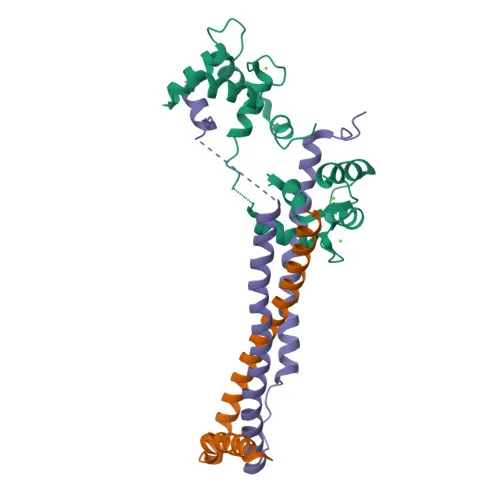
- TNNC1 encodes troponin C, slow skeletal and cardiac muscles, a calcium-binding subunit of the troponin complex essential for striated muscle contraction.
- Troponin consists of three components: Tn-I (inhibitor of actomyosin ATPase), Tn-T (binds tropomyosin), and Tn-C; calcium binding to Tn-C relieves Tn-I inhibition, allowing actin-myosin interaction.
- TNNC1 is primarily expressed in slow skeletal and cardiac muscle tissues, where it regulates contraction in response to calcium fluxes.
- The protein is a member of the troponin gene family, which includes isoforms specific to different muscle types (e.g., TNNT1, TNNI3).
- Post-translational modifications include acetylation and phosphorylation, as indicated by proteomic studies; mutations in TNNC1 are associated with cardiomyopathy (CMD1Z, CMH13).
- Keywords from UniProt highlight roles in calcium binding, metal binding, muscle contraction, and disease involvement.
Experimental Guidance and Technical Tips
- The immunogen corresponds to amino acids 1–100 of human TNNC1; the antibody is expected to recognize the N-terminal region of the protein.
- For Western blot, denaturing and reducing conditions are recommended; the predicted molecular weight is 18 kDa. Validate in appropriate muscle tissue lysates (e.g., cardiac, skeletal) from human, mouse, or rat.
- ELISA applications may benefit from using recombinant TNNC1 or peptide antigens; consider testing direct and sandwich ELISA formats.
- Cross-reactivity with mouse and rat indicates sequence conservation; however, verify specificity in your experimental system by including appropriate controls.
CamelBio: Your One-Stop Sourcing Bridge
CamelBio offers a comprehensive range of IVD raw materials, including validated antibody pairs, optimized monoclonal and polyclonal antibodies, and bulk ancillary reagents for diagnostic development. This anti-TNNC1 monoclonal antibody supports cardiac and muscle research programs, and our one-stop sourcing model can also assist in securing rare targets and custom raw-material solutions. As your B2B partner, we streamline procurement from concept to clinic, helping you accelerate assay development and manufacturing.
REQUEST A QUOTE
Our professional team will reply to you within one business day. Please feel free to contact us!