Polyclonal Antibodies
Anti-TNFSF13B Rabbit Polyclonal Antibody for WB, IHC-P, IF/ICC, ELISA - Q9Y275
Item Number : CM0028572
Price varies based on specs and customizations
- Application
- WB, IHC-P, IF/ICC, ELISA
- Cross Reactivity
- Human, Mouse, Rat
- Protein Weight
- 31kDa

Shipping:
Contact us to get shipping details Enjoy On-time Dispatch Guarantee.
Why Choose Us
Easy ordering process, quality products, and dedicated support for your business success.
Core Product Specifications and Parameters
| Parameter | Value |
|---|---|
| Product Name | TNFSF13B Rabbit pAb |
| Remarks/Alias | DTL; BAFF; BLYS; CD257; TALL1; THANK; ZTNF4; TALL-1; TNLG7A; TNFSF20; TNFSF13B |
| Species | Human |
| GeneID (Human) | 10673 |
| GeneID | 10673 |
| Immunogen | Recombinant fusion protein containing a sequence corresponding to amino acids 90-160 of human TNFSF13B (NP_006564.1). |
| Source | Rabbit |
| Category | Polyclonal Antibodies |
| Application | WB, IHC-P, IF/ICC, ELISA |
| Cross Reactivity | Human, Mouse, Rat |
| SWISS | Q9Y275 |
| Protein Weight | 31kDa |
| Shipping | Ice bag |
Biological Background: TNFSF13B Function and Localization
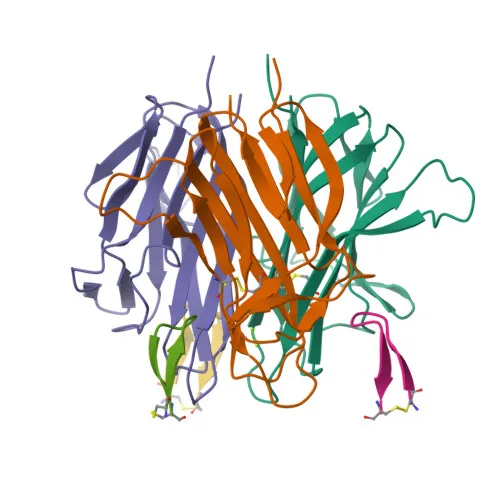
- TNFSF13B (also known as BAFF, BLyS, or TALL-1) is a cytokine belonging to the tumor necrosis factor (TNF) ligand superfamily, with two major isoforms generated by alternative splicing; isoform 1 is the full-length, bioactive form, while isoform 2 can inhibit isoform 1 secretion and function.
- As a key regulator of B-cell homeostasis, TNFSF13B binds to the receptors TNFRSF13B (TACI) and TNFRSF17 (BCMA), and together with the ligand APRIL, forms a two-ligand two-receptor pathway that stimulates B- and T-cell function and modulates humoral immunity.
- Its interaction with the BAFF-specific receptor BAFFR (BR3) provides a critical survival signal for mature B cells and governs peripheral B-cell numbers and the B-cell response.
- In addition to its cytokine role, TNFSF13B can act as a transcription factor for its own gene in complex with NF-κB p50, particularly in autoimmune and proliferative B-cell diseases; the isoform Delta4BAFF is essential for soluble BAFF release by IFN-γ–stimulated monocytes and for B-cell survival.
- Subcellularly, TNFSF13B is expressed as a type II transmembrane protein on the cell membrane, but it can be cleaved and secreted as a soluble cytokine.
- Tissue expression is abundant in peripheral blood leukocytes, especially monocytes and macrophages, and is also found in spleen, lymph node, bone marrow, T cells, and dendritic cells, with lower levels in placenta, heart, lung, and fetal tissues; isoform 2 is expressed in many myeloid cell lines.
- Post-translational modifications include N-linked glycosylation and a disulfide bond; the protein contains a transmembrane helix and a conserved TNF homology domain, and it is classified under keywords such as cytokine, immunity, and secreted protein.
Experimental Guidance and Technical Tips
- The immunogen corresponds to the extracellular domain (aa 90–160) of human TNFSF13B, which is a region highly conserved across species; this design supports the observed cross-reactivity with mouse and rat.
- For Western blotting, the theoretical molecular weight is approximately 31 kDa; reducing conditions are recommended for detection, but note that glycosylation may cause a slight upward shift.
- When performing immunohistochemistry (IHC-P), antigen retrieval methods such as heat-induced epitope retrieval (HIER) may improve signal; a formalin-fixed, paraffin-embedded tissue section from human tonsil or lymph node is a suitable positive control.
- For indirect immunofluorescence (IF/ICC), consider permeabilization to detect both membrane and intracellular pools, as TNFSF13B can be secreted and may be present in the Golgi.
- In ELISA applications, the antibody can be employed as a capture or detection reagent; pairing with a monoclonal antibody or another polyclonal antibody against a non-overlapping epitope is advised for sandwich immunoassays.
- As a polyclonal antibody, lot-to-lot consistency should be verified; always include appropriate positive and negative controls to confirm specificity in the chosen sample system.
CamelBio: Your One-Stop Sourcing Bridge
CamelBio connects diagnostic manufacturers and research laboratories with validated IVD raw materials and comprehensive technical support. For projects centered on B-cell biology and autoimmune diseases, this anti-TNFSF13B polyclonal antibody is part of our extensive portfolio, which includes optimized antibody pairs, monoclonal antibodies, bulk ancillary reagents, and custom sourcing for rare targets. Our one-stop model streamlines your development workflow from concept to clinic, ensuring reliable supply and consistent quality.
Product Datasheet
Anti-TNFSF13B Rabbit Polyclonal Antibody for WB, IHC-P, IF/ICC, ELISA - Q9Y275
REQUEST A QUOTE
Our professional team will reply to you within one business day. Please feel free to contact us!