Polyclonal Antibodies
Anti-TNFSF11 Rabbit Polyclonal Antibody for IHC-P, ELISA - O14788
Item Number : CM0021571
Price varies based on specs and customizations
- Application
- IHC-P, ELISA
- Cross Reactivity
- Human
- Protein Weight
- 35kDa

Shipping:
Contact us to get shipping details Enjoy On-time Dispatch Guarantee.
Why Choose Us
Easy ordering process, quality products, and dedicated support for your business success.
Core Product Specifications and Parameters
| Parameter | Value |
|---|---|
| Product Name | TNFSF11 Rabbit pAb |
| Remarks/Alias | ODF; OPGL; sOdf; CD254; OPTB2; RANKL; TNLG6B; TRANCE; hRANKL2; TNFSF11 |
| Species | Human |
| GeneID (Human) | 8600 |
| GeneID | 8600 |
| Immunogen | Recombinant fusion protein containing a sequence corresponding to amino acids 165-317 of human TNFSF11 (NP_003692.1) |
| Source | Rabbit |
| Category | Polyclonal Antibodies |
| Application | IHC-P, ELISA |
| Cross Reactivity | Human |
| SWISS | O14788 |
| Protein Weight | 35kDa |
| Shipping | Ice bag |
Biological Background: TNFSF11 Function and Localization
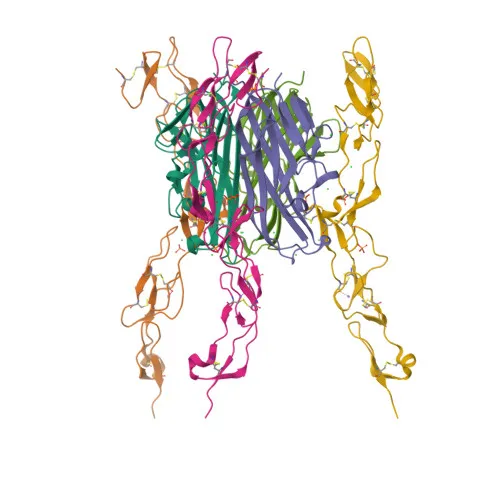
- Tumor necrosis factor ligand superfamily member 11 (TNFSF11), also known as RANKL, OPGL, ODF, and TRANCE, is a cytokine that binds to TNFRSF11B/OPG and TNFRSF11A/RANK, functioning as a key osteoclast differentiation and activation factor. It also enhances dendritic cell-mediated T-cell proliferation, playing a role in T-cell-dependent immune responses (PubMed:22664871). Related references: PMID:22664871
- Induces osteoclastogenesis by activating multiple signaling pathways in osteoclast precursor cells, primarily through inducing long-lasting intracellular Ca²⁺ oscillations that lead to NFATC1 activation and osteoclast-specific gene transcription.
- During osteoclast differentiation, in a TMEM64 and ATP2A2-dependent manner, TNFSF11 induces activation of CREB1 and mitochondrial ROS generation necessary for proper osteoclast generation.
- Subcellular localization includes the cell membrane as a transmembrane protein (signal-anchor), as well as the cytoplasm and secreted forms.
- Highest tissue expression is observed in peripheral lymph nodes, with weaker expression in spleen, peripheral blood leukocytes, bone marrow, heart, placenta, skeletal muscle, stomach, and thyroid.
- Classified under keywords such as cytokine, membrane, alternative splicing, glycoprotein, and disease variant (osteopetrosis), indicating its involvement in bone disorders.
Experimental Guidance and Technical Tips
- For IHC-P, consider optimizing antigen retrieval and antibody dilution in human tissue sections with known TNFSF11 expression, such as lymph node or bone marrow.
- For ELISA, validate the antibody in the relevant sample system with appropriate positive and negative controls to assess sensitivity and specificity.
- Given the polyclonal nature, anticipate potential batch-to-batch variability; it is advisable to titrate the antibody for each new lot to determine optimal working concentrations.
- The predicted protein weight is approximately 35kDa, and the immunogen covers amino acids 165-317 of human TNFSF11; the antibody is expected to recognize the human protein, but cross-reactivity with other species has not been confirmed.
- As TNFSF11 exists in membrane-bound and secreted forms, consider that the antibody may detect both forms depending on the epitope accessibility in your experimental setup.
CamelBio: Your One-Stop Sourcing Bridge
CamelBio serves as a comprehensive sourcing partner for IVD raw materials, supporting diagnostic manufacturers and researchers from concept to clinic. For investigations of TNFSF11/RANKL in bone remodeling and immune regulation, CamelBio provides access to validated antibodies, ancillary reagents, and expert technical consultation to streamline your assay development and production workflows.
REQUEST A QUOTE
Our professional team will reply to you within one business day. Please feel free to contact us!