Polyclonal Antibodies
Anti-TNFSF10 Rabbit Polyclonal Antibody for WB, ELISA - P50591
Item Number : CM0020668
Price varies based on specs and customizations
- Application
- WB, ELISA
- Cross Reactivity
- Human
- Protein Weight
- 33kDa

Shipping:
Contact us to get shipping details Enjoy On-time Dispatch Guarantee.
Why Choose Us
Easy ordering process, quality products, and dedicated support for your business success.
Core Product Specifications and Parameters
| Parameter | Value |
|---|---|
| Product Name | TNFSF10 Rabbit pAb |
| Remarks/Alias | TL2; APO2L; CD253; TANCR; TRAIL; Apo-2L; TNLG6A; TNFSF10 |
| Species | Human |
| GeneID (Human) | 8743 |
| GeneID | 8743 |
| Immunogen | Recombinant protein |
| Source | Rabbit |
| Category | Polyclonal Antibodies |
| Application | WB, ELISA |
| Cross Reactivity | Human |
| SWISS | P50591 |
| Protein Weight | 33kDa |
| Shipping | Ice bag |
Biological Background: TNFSF10 Function and Localization
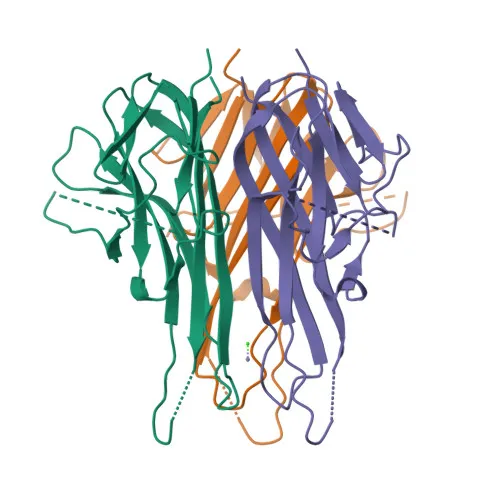
- TNFSF10, also known as TRAIL or Apo-2L, is a cytokine of the tumor necrosis factor ligand superfamily. It exists as a type II transmembrane protein and can also be cleaved to a soluble form.
- The mature ligand binds to death receptors TNFRSF10A/TRAILR1 and TNFRSF10B/TRAILR2 to induce apoptosis in target cells, playing a critical role in immune surveillance and anti-tumor responses. Related references: PMID:10549288 PMID:26457518
- Apoptotic activity can be modulated by binding to decoy receptors TNFRSF10C/TRAILR3, TNFRSF10D/TRAILR4, and TNFRSF11B/OPG, which lack functional death domains and thus inhibit TRAIL-mediated cell death.
- TNFSF10 is widely expressed, with highest levels in spleen, lung, and prostate.
- The protein is localized at the cell membrane, and the ectodomain can be released into the extracellular space as a secreted form.
- Post-translational modifications include phosphorylation and zinc binding, which may regulate its stability or receptor interaction. Alternative splicing generates multiple isoforms.
Experimental Guidance and Technical Tips
- The immunogen corresponds to the N-terminal region (amino acids 1-100) of human TNFSF10, which may offer detection of both full-length and processed forms. Consider running appropriate controls to distinguish them.
- For Western blot, the predicted molecular weight is approximately 33 kDa, but glycosylation or cleavage can lead to multiple bands. Validate in a relevant human cell lysate known to express TNFSF10.
- For ELISA, the antibody can be used as a capture or detection reagent. Pair with a compatible antibody clone and confirm performance using recombinant TNFSF10 standards.
- Always include positive and negative controls (e.g., TNFSF10-overexpressing cells and knockout/knockdown lysates) to ensure specificity.
CamelBio: Your One-Stop Sourcing Bridge
CamelBio supports diagnostic manufacturers, reference laboratories, and research institutes with reliable access to IVD raw materials. This anti-TNFSF10 polyclonal antibody is suitable for apoptosis research, immune-oncology, and related assay development. Beyond individual reagents, CamelBio offers validated antibody pairs, optimized monoclonal and polyclonal antibodies, bulk ancillary reagents, and customized sourcing for rare targets—helping you streamline your entire assay development workflow.
REQUEST A QUOTE
Our professional team will reply to you within one business day. Please feel free to contact us!