Polyclonal Antibodies
Anti-TNFRSF11B Polyclonal Antibody for WB, IF-P, IHC-P, ELISA - O00300
Item Number : CM0020380
Price varies based on specs and customizations
- Application
- WB, IF-P, IHC-P, ELISA
- Cross Reactivity
- Human, Mouse, Rat
- Protein Weight
- 46kDa

Shipping:
Contact us to get shipping details Enjoy On-time Dispatch Guarantee.
Why Choose Us
Easy ordering process, quality products, and dedicated support for your business success.
Core Product Specifications and Parameters
| Parameter | Value |
|---|---|
| Product Name | TNFRSF11B Rabbit pAb |
| Remarks/Alias | OPG; TR1; OCIF; PDB5; TNFRSF11B |
| Species | Human |
| Gene ID (Human) | 4982 |
| Gene ID | 4982 |
| Immunogen | Recombinant fusion protein containing a sequence corresponding to amino acids 22-280 of human TNFRSF11B (NP_002537.3) |
| Source | Rabbit |
| Category | Polyclonal Antibodies |
| Application | WB, IF-P, IHC-P, ELISA |
| Cross Reactivity | Human, Mouse, Rat |
| SWISS | O00300 |
| Protein Weight | 46kDa |
| Shipping | Ice bag |
Biological Background: TNFRSF11B Function and Localization
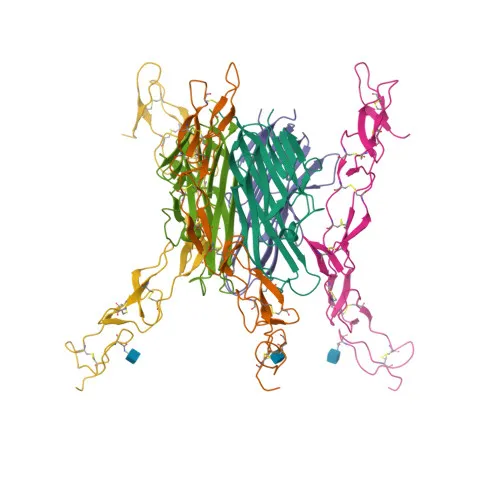
- Tumor necrosis factor receptor superfamily member 11B (TNFRSF11B), also known as osteoprotegerin (OPG) or osteoclastogenesis inhibitory factor (OCIF), is a secreted decoy receptor that regulates bone resorption.
- TNFRSF11B acts as a decoy receptor for TNFSF11/RANKL, neutralizing RANKL-mediated osteoclast differentiation and activation, thereby inhibiting osteoclastogenesis and promoting osteoclast apoptosis.
- Bone homeostasis critically depends on the local balance between TNFSF11 (RANKL) and TNFRSF11B (OPG); elevated OPG levels suppress osteoclast activity, while reduced OPG leads to bone loss.
- Apart from bone metabolism, TNFRSF11B may play a protective role in preventing arterial calcification and can serve as a decoy receptor for TNFSF10/TRAIL, modulating apoptosis.
- Subcellularly, TNFRSF11B is a secreted protein that functions in the extracellular milieu, interacting with its ligands on the cell surface or in soluble form.
- It is highly expressed in a wide range of tissues, including adult lung, heart, kidney, liver, spleen, thymus, prostate, ovary, small intestine, thyroid, lymph node, trachea, adrenal gland, testis, and bone marrow, with low levels in brain, placenta, and skeletal muscle. Fetal kidney, liver, and lung also show high expression.
- The protein contains disulfide bonds, is glycosylated, and belongs to the tumor necrosis factor receptor superfamily; its molecular weight is approximately 46 kDa.
Experimental Guidance and Technical Tips
- The immunogen corresponds to the extracellular domain (amino acids 22–280) of human TNFRSF11B, which is expected to generate antibodies recognizing the native secreted protein; consider this when designing assays.
- In Western blot, a specific band around 46 kDa is anticipated for TNFRSF11B; validate the antibody in your experimental system using appropriate positive controls (e.g., recombinant protein or cell lines expressing TNFRSF11B).
- For paraffin-embedded immunohistochemistry (IHC-P), antigen retrieval may be necessary; tissue sections from bone or liver, where TNFRSF11B is abundantly expressed, can serve as positive controls.
- This polyclonal antibody cross-reacts with mouse and rat TNFRSF11B; verify cross-reactivity in species-specific samples when switching between human and rodent models.
- For ELISA, the antibody may be suitable as either capture or detection reagent; pairing with another anti-TNFRSF11B monoclonal antibody could improve assay sensitivity; optimize coating and detection conditions empirically.
- Ensure proper storage and handling; the antibody is shipped on ice bags and should be stored at recommended temperatures upon arrival to maintain stability.
CamelBio: Your One-Stop Sourcing Bridge
CamelBio serves as a comprehensive source for IVD raw materials, supporting diagnostic manufacturers and research laboratories in developing assays for bone metabolism and related diseases. In addition to the TNFRSF11B polyclonal antibody, we offer validated antibody pairs, optimized monoclonal antibodies, bulk ancillary reagents, and custom sourcing for rare targets like osteoprotegerin pathway components. Partner with CamelBio to streamline your procurement from concept to clinic with reliable, high-quality raw materials.
Product Datasheet
Anti-TNFRSF11B Polyclonal Antibody for WB, IF-P, IHC-P, ELISA - O00300
REQUEST A QUOTE
Our professional team will reply to you within one business day. Please feel free to contact us!