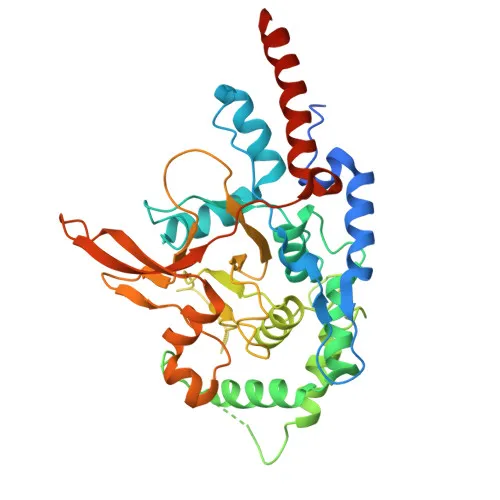
Monoclonal Antibodies
Anti-TNFAIP3 Rabbit Monoclonal Antibody for WB, IHC-P, ELISA - P21580
Item Number : CM0002399
Price varies based on specs and customizations
- Application
- WB, IHC-P, ELISA
- Cross Reactivity
- Human
- Protein Weight
- 90kDa

Shipping:
Contact us to get shipping details Enjoy On-time Dispatch Guarantee.
Why Choose Us
Easy ordering process, quality products, and dedicated support for your business success.
Core Product Specifications and Parameters
| Parameter | Value |
|---|---|
| Product Name | TNFAIP3 Rabbit mAb |
| Remarks/Alias | A20; AISBL; AIFBL1; OTUD7C; TNFA1P2; TNFAIP3 |
| Species | Human |
| Gene ID (Human) | 7128 |
| Gene ID | 7128 |
| Immunogen | A synthetic peptide corresponding to a sequence within amino acids 450-550 of human TNFAIP3 (P21580). |
| Source | Rabbit |
| Category | Monoclonal Antibodies |
| Application | WB, IHC-P, ELISA |
| Cross Reactivity | Human |
| SWISS | P21580 |
| Protein Weight | 90kDa |
| Shipping | Ice bag |
Biological Background: TNFAIP3 Function and Localization
- TNFAIP3, also known as A20, is a tumor necrosis factor alpha-induced protein 3 that functions as a dual-activity ubiquitin-editing enzyme, possessing both ubiquitin ligase and deubiquitinase capabilities.
- It plays a central role in terminating NF-kappa-B signaling triggered by cytokines (e.g., TNF, IL-1 beta) and pathogen recognition through Toll-like receptors, thereby regulating immune and inflammatory homeostasis.
- TNFAIP3 serves as an essential component of a ubiquitin-editing complex with RNF11, ITCH, and TAX1BP1, which ensures the transient nature of inflammatory pathways by disassembling E2-E3 ubiquitin ligase complexes, targeting molecules such as TRAF6, TRAF2, and BIRC2.
- Upon TNF stimulation, it deubiquitinates 'Lys-63'-polyubiquitin chains on RIPK1 and subsequently catalyzes 'Lys-48'-polyubiquitin attachment, directing RIPK1 for proteasomal degradation and thus terminating NF-kappa-B activation.
- The protein localizes to multiple cellular compartments, including the cytoplasm, nucleus, and lysosome, and also acts as an inhibitor of programmed cell death while modulating T-cell receptor-mediated signaling.
- Key structural and functional features include metal-binding and zinc-finger domains, as classified by associated keywords such as Hydrolase, Thiol protease, DNA-binding, Acetylation, and Phosphoprotein.
Experimental Guidance and Technical Tips
- The immunogen used is a synthetic peptide spanning amino acids 450–550 of human TNFAIP3; for Western blot, verify that transfer and blocking conditions are optimized for the ~90 kDa full-length protein.
- In immunohistochemistry on paraffin-embedded tissues, antigen retrieval protocols may need careful adjustment due to the mixed nuclear and cytoplasmic localization of the target.
- For ELISA setups, consider pairing this monoclonal antibody with a detection antibody validated for the relevant sample matrix, and perform cross-reactivity and sensitivity testing in your specific assay system.
CamelBio: Your One-Stop Sourcing Bridge
CamelBio provides diagnostic manufacturers, laboratories, and research institutes with streamlined access to a comprehensive portfolio of IVD raw materials, including validated antibody pairs, optimized monoclonal antibodies such as this anti-TNFAIP3 clone, and bulk ancillary reagents. With specialized expertise in immune and inflammatory disease targets, we support your assay development from concept to clinic, delivering rare and critical raw materials tailored to your research and diagnostic requirements.
Product Datasheet
Anti-TNFAIP3 Rabbit Monoclonal Antibody for WB, IHC-P, ELISA - P21580
REQUEST A QUOTE
Our professional team will reply to you within one business day. Please feel free to contact us!