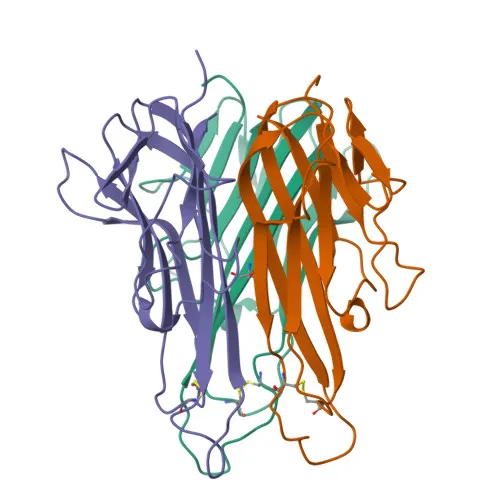
Monoclonal Antibodies
Anti-TNF-α Rabbit Monoclonal Antibody for WB, ELISA - P06804
Item Number : CM0006578
Price varies based on specs and customizations
- Application
- WB, ELISA
- Cross Reactivity
- Mouse, Rat
- Protein Weight
- 26kDa

Shipping:
Contact us to get shipping details Enjoy On-time Dispatch Guarantee.
Why Choose Us
Easy ordering process, quality products, and dedicated support for your business success.
Core Product Specifications and Parameters
| Parameter | Value |
|---|---|
| Product Name | TNF-α Rabbit mAb |
| Remarks/Alias | DIF; Tnfa; TNF-a; TNFSF2; Tnlg1f; Tnfsf1a; TNFalpha; TNF-alpha; TNF-α |
| Species | Mouse |
| GeneID (Human) | 7124 |
| GeneID | 21926 |
| Immunogen | Recombinant protein|Recombinant fusion protein containing a sequence corresponding to amino acids 80-235 of mouse TNF-α (NP_038721.1). |
| Source | Rabbit |
| Category | Monoclonal Antibodies |
| Application | WB, ELISA |
| Cross Reactivity | Mouse, Rat |
| SWISS | P06804 |
| Protein Weight | 26kDa |
| Shipping | Ice bag |
Biological Background: TNF-α Function and Localization
- Tumor necrosis factor (TNF-α), also known as cachectin, is a multifunctional cytokine belonging to the tumor necrosis factor ligand superfamily (member 2, TNFSF2). It is primarily secreted by activated macrophages and exerts pleiotropic effects on various cell types.
- TNF-α binds to its receptors TNFRSF1A/TNFR1 and TNFRSF1B/TNFBR to mediate cellular responses such as apoptosis, survival, proliferation, and differentiation, depending on the cellular context.
- In adipocytes, TNF-α induces insulin resistance by inhibiting insulin-induced IRS1 tyrosine phosphorylation and glucose uptake, and by mediating GKAP42 protein degradation. Related references: PMID:25586176
- TNF-α plays a critical role in bone homeostasis by promoting osteoclastogenesis and bone resorption. Related references: PMID:32741026
- It is a potent pyrogen, causing fever either directly or through stimulation of interleukin-1 secretion, and is implicated in the induction of cachexia during chronic inflammation.
- TNF-α exists as both a transmembrane form and a soluble secreted cytokine. The intracellular domain (ICD) form can be generated and has been shown to induce IL-12 production in dendritic cells.
- The protein undergoes several post-translational modifications including glycosylation, myristoylation, phosphorylation, and disulfide bond formation, which regulate its stability and function.
Experimental Guidance and Technical Tips
- The immunogen corresponds to the C-terminal region (aa 80-235) of mouse TNF-α; the antibody may detect both the full-length precursor (~26 kDa) and the cleaved mature soluble form (~17 kDa) in western blotting. Validate in the relevant sample system.
- For sandwich ELISA applications, confirm pairing compatibility with a suitable capture or detection antibody targeting a non-overlapping epitope.
- This antibody exhibits cross-reactivity with rat TNF-α, as indicated. Verify performance in your specific assays.
CamelBio: Your One-Stop Sourcing Bridge
CamelBio provides diagnostic manufacturers and research labs with one-stop access to validated antibody pairs, optimized monoclonal antibodies, and bulk ancillary reagents for cytokine and inflammation research. Our TNF-α antibody portfolio supports immunoassay development and target validation workflows. Contact us for rare target sourcing and technical consultation.
REQUEST A QUOTE
Our professional team will reply to you within one business day. Please feel free to contact us!