Polyclonal Antibodies
Anti-TLR8 Rabbit Polyclonal Antibody for WB, IF-P, IHC-P, ELISA - Q9NR97
Item Number : CM0017573
Price varies based on specs and customizations
- Application
- WB, IF-P, IHC-P, ELISA
- Cross Reactivity
- Human, Mouse, Rat
- Protein Weight
- 120kDa

Shipping:
Contact us to get shipping details Enjoy On-time Dispatch Guarantee.
Why Choose Us
Easy ordering process, quality products, and dedicated support for your business success.
Core Product Specifications and Parameters
| Parameter | Value |
|---|---|
| Product Name | TLR8 Rabbit pAb |
| Remarks/Alias | CD288; IMD98; hTLR8; TLR8 |
| Species | Human |
| GeneID | 51311 |
| Immunogen | Recombinant fusion protein containing a sequence corresponding to amino acids 849-1041 of human TLR8 (NP_619542.1) |
| Source | Rabbit |
| Category | Polyclonal Antibodies |
| Application | WB, IF-P, IHC-P, ELISA |
| Cross Reactivity | Human, Mouse, Rat |
| SWISS | Q9NR97 |
| Protein Weight | 120kDa |
| Shipping | Ice bag |
Biological Background: TLR8 Function and Localization
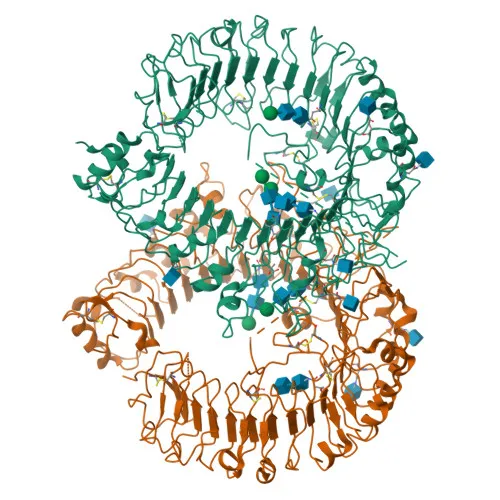
- Toll-like receptor 8 (TLR8), also designated CD288, is an endosomal receptor crucial for innate and adaptive immunity. Related references: PMID:25297876 PMID:32433612
- TLR8 controls immune responses by recognizing RNA degradation products processed by RNASET2, including GU-rich single-stranded RNA from viruses such as SARS-CoV-2, SARS-CoV-1, and HIV-1. Related references: PMID:31778653 PMID:33718825
- Upon ligand binding, TLR8 dimerizes, bringing its TIR domains into contact to recruit the adaptor MYD88, initiating downstream signaling. Related references: PMID:23520111 PMID:25599397 PMID:26929371
- The Myddosome signaling complex (IRAK4, IRAK1, TRAF6, TRAF3) then activates NF-kB and IRF7, inducing pro-inflammatory cytokines and interferons. Related references: PMID:16737960 PMID:17932028 PMID:29155428
- TLR8 localizes primarily to endosome membranes, consistent with its role in sensing internalized pathogen-derived nucleic acids.
- Expressed predominantly in myeloid dendritic cells, monocytes, and monocyte-derived dendritic cells, linking it to professional antigen-presenting cell function.
- Post-translational modifications include disulfide bond formation, glycosylation, and ubiquitylation, which may regulate receptor trafficking and signaling.
- Alternative splicing generates multiple isoforms, potentially contributing to functional diversity.
Experimental Guidance and Technical Tips
- The immunogen corresponds to the C-terminal region (aa 849–1041), which encompasses part of the TIR domain; this design may confer reactivity with both full-length and some splice variants.
- For Western blot, the predicted molecular weight is ~120 kDa; use low-percentage gels and prolonged transfer to ensure efficient detection of high-molecular-weight bands.
- As an endosomal receptor, TLR8 detection by immunofluorescence or immunohistochemistry may require permeabilization steps; Triton X-100 or saponin treatment can be considered.
- When testing cross-reactivity in mouse or rat samples, sequence alignment of the immunogen region is advisable, as epitope conservation may vary.
- For ELISA, pairing with a suitable capture antibody or using this product as a detection antibody could be explored; pretesting with recombinant TLR8 protein is recommended to establish assay conditions.
CamelBio: Your One-Stop Sourcing Bridge
CamelBio is your integrated sourcing partner for IVD raw materials, combining validated antibody pairs, optimized polyclonal antibodies like this anti-TLR8 pAb, and bulk ancillary reagents to accelerate innate immunity and infectious disease diagnostics development. Our one-stop supply chain bridges rare target sourcing and technical consultation, empowering labs and manufacturers from concept to clinic.
Product Datasheet
Anti-TLR8 Rabbit Polyclonal Antibody for WB, IF-P, IHC-P, ELISA - Q9NR97
REQUEST A QUOTE
Our professional team will reply to you within one business day. Please feel free to contact us!