Monoclonal Antibodies
Anti-TKT/Transketolase Monoclonal Antibody for WB, IHC-P, IF/ICC, ELISA - P29401
Item Number : CM0005191
Price varies based on specs and customizations
- Application
- WB, IHC-P, IF/ICC, ELISA
- Cross Reactivity
- Human, Mouse, Rat
- Protein Weight
- 68kDa

Shipping:
Contact us to get shipping details Enjoy On-time Dispatch Guarantee.
Why Choose Us
Easy ordering process, quality products, and dedicated support for your business success.
Core Product Specifications and Parameters
| Parameter | Value |
|---|---|
| Product Name | [KD Validated] TKT/Transketolase Rabbit mAb |
| Remarks/Alias | TK; TKT1; SDDHD; HEL107; HEL-S-48 |
| Species | Human |
| Gene ID (Human) | 7086 |
| Gene ID | 7086 |
| Immunogen | Synthetic peptide corresponding to a sequence within amino acids 281-380 of human TKT/Transketolase (NP_001055.1) |
| Source | Rabbit |
| Category | Monoclonal Antibodies |
| Application | WB, IHC-P, IF/ICC, ELISA |
| Cross Reactivity | Human, Mouse, Rat |
| SWISS | P29401 |
| Protein Weight | 68kDa |
| Shipping | Ice bag |
Biological Background: TKT/Transketolase Function and Localization
- Catalyzes the reversible transfer of a two-carbon ketol group from sedoheptulose-7-phosphate to glyceraldehyde-3-phosphate, producing xylulose-5-phosphate and ribose-5-phosphate in the pentose phosphate pathway (PubMed:20667822, PubMed:27259054, PubMed:31534226). Related references: PMID:20667822, PMID:27259054, PMID:31534226
- Requires thiamine pyrophosphate (TPP) as a cofactor; forms a covalent intermediate with TPP during catalysis.
- Can also utilize fructose-6-phosphate as a ketose donor, potentially linking glycolysis to the pentose phosphate pathway.
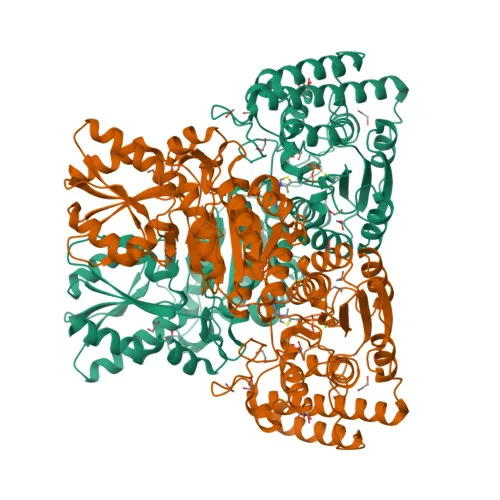
- Exists as a homodimer; three-dimensional structure has been resolved, with each subunit binding metal ions such as Ca²⁺ and Mg²⁺.
- Subject to multiple post-translational modifications, including acetylation, phosphorylation, and ubiquitin-like conjugation (isopeptide bond).
- Mutations in TKT cause a short stature, developmental delay, and congenital heart defects syndrome known as SDDHD (Short Stature, Developmental Delay, and Congenital Heart Defects).
- Alternatively spliced transcript variants produce multiple isoforms with potentially distinct regulatory properties.
Experimental Guidance and Technical Tips
- The immunogen corresponds to amino acids 281–380 of human TKT, a region that may represent a surface-accessible epitope in the native homodimer. For immunoprecipitation or flow cytometry, consider gentle lysis conditions to preserve native conformation.
- For Western blot, the predicted band is ~68 kDa; use appropriate gel percentages (e.g., 8–10% SDS-PAGE) and validate antibody dilutions with a relevant positive control lysate (e.g., human, mouse, or rat).
- In IHC-P and IF/ICC applications, standard antigen retrieval and blocking steps are recommended; cross-reactivity with mouse and rat tissue should be validated in your specific experimental context.
- Assess optimal working concentrations individually for ELISA and other applications; batch-to-batch consistency is typically high with recombinant monoclonal antibodies.
CamelBio: Your One-Stop Sourcing Bridge
CamelBio is a dedicated IVD raw-material partner, offering validated antibody pairs, monoclonal and polyclonal reagents, and bulk ancillary supplies—all through a single source. From discovery to diagnostic kit assembly, we simplify procurement for pentose phosphate pathway and metabolic research, ensuring timely access to high-quality materials like this TKT/Transketolase antibody. Our consultative approach helps manufacturers navigate technical challenges while staying focused on delivering reliable diagnostic solutions.
Product Datasheet
Anti-TKT/Transketolase Monoclonal Antibody for WB, IHC-P, IF/ICC, ELISA - P29401
REQUEST A QUOTE
Our professional team will reply to you within one business day. Please feel free to contact us!