Monoclonal Antibodies
Anti-TFE3 Rabbit Monoclonal Antibody for WB, IHC-P, ELISA - P19532
Item Number : CM0003662
Price varies based on specs and customizations
- Application
- WB, IHC-P, ELISA
- Cross Reactivity
- Human, Mouse, Rat
- Protein Weight
- 62kDa

Shipping:
Contact us to get shipping details Enjoy On-time Dispatch Guarantee.
Why Choose Us
Easy ordering process, quality products, and dedicated support for your business success.
Core Product Specifications and Parameters
| Parameter | Value |
|---|---|
| Product Name | TFE3 Rabbit mAb |
| Remarks/Alias | TFEA; RCCP2; RCCX1; MRXSPF; bHLHe33; TFE3 |
| Species | Human |
| GeneID (Human) | 7030 |
| GeneID | 7030 |
| Immunogen | Recombinant protein; Recombinant fusion protein containing a sequence corresponding to amino acids 191-440 of human TFE3 (P19532). |
| Source | Rabbit |
| Category | Monoclonal Antibodies |
| Application | WB, IHC-P, ELISA |
| Cross Reactivity | Human, Mouse, Rat |
| SWISS | P19532 |
| Protein Weight | 62kDa |
| Shipping | Ice bag |
Biological Background: TFE3 Function and Localization
-
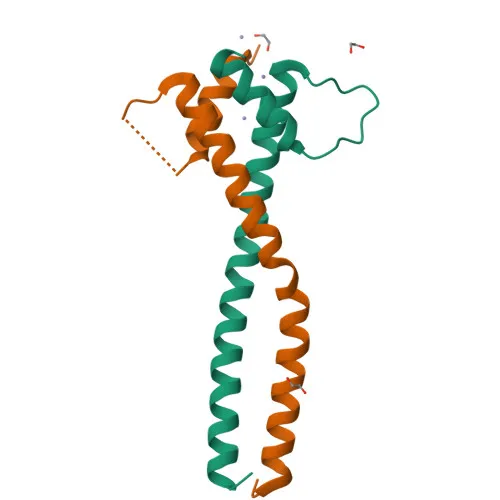
TFE3 (Transcription factor E3) is a member of the MiT/TFE family of basic helix-loop-helix leucine zipper transcription factors, also known as bHLHe33.
-
Acts as a master regulator of lysosomal biogenesis and immune response by binding E-box and CLEAR-box sequences (5'-CANNTG-3' and 5'-GTCACGTGAC-3') in target gene promoters, thereby controlling expression of numerous lysosomal genes. Related references: PMID:2338243 PMID:24448649 PMID:29146937
-
Dimerizes with other MiT/TFE family members (e.g., TFEB, MITF) for efficient DNA binding and transcriptional activation. Related references: PMID:24448649
-
mTOR-dependent phosphorylation in response to nutrients leads to cytoplasmic retention and inactivation; starvation or lysosomal stress induces dephosphorylation and nuclear translocation. Related references: PMID:24448649 PMID:31672913 PMID:36608670
-
Essential for maintaining pluripotency in hematopoietic stem cells; mTOR-regulated TFE3 localization controls exit from pluripotency, with similar roles in embryonic stem cells. Related references: PMID:30733432
-
Promotes browning of adipose tissue and inhibits neuronal progenitor differentiation (by similarity).
-
Cooperates with TFEB to activate CD40L expression in T-cells, contributing to thymus-dependent humoral immunity (by similarity).
-
Subcellularly localized in cytoplasm, cytosol, nucleus, and lysosome membrane; tissue expression is ubiquitous in fetal and adult tissues.
-
Post-translational modifications include phosphorylation, methylation, and ubiquitination; implicated in chromosomal rearrangements associated with renal cell carcinoma and X-linked intellectual disability.
Experimental Guidance and Technical Tips
- For Western blotting, use standard protocols with a primary antibody dilution optimized for your sample. The predicted molecular weight is ~62 kDa; validate specificity using lysates from human, mouse, or rat cells/tissues.
- For immunohistochemistry (IHC-P), antigen retrieval conditions (e.g., citrate buffer pH 6.0 or EDTA buffer pH 9.0) should be tested. Validate in appropriate positive control tissues.
- For ELISA, pair this antibody with a suitable detection antibody and consider using recombinant TFE3 protein as a standard.
- Since the immunogen covers amino acids 191–440, which includes the bHLH domain, this antibody may recognize functional regions critical for dimerization and DNA binding; test under relevant experimental conditions.
- Note that TFE3 activity is regulated by mTOR-dependent phosphorylation; consider checking the phosphorylation status in your experimental setup.
CamelBio: Your One-Stop Sourcing Bridge
CamelBio stands as a reliable one-stop partner for IVD raw material sourcing, supporting your diagnostic and research workflows from concept to clinic. This TFE3 monoclonal antibody is ideal for studies on lysosomal biogenesis, immune regulation, and cancer biology. We also offer validated antibody pairs, bulk ancillary reagents, and tailored sourcing services for rare targets to accelerate your assay development.
REQUEST A QUOTE
Our professional team will reply to you within one business day. Please feel free to contact us!