Polyclonal Antibodies
Anti-TFAM Rabbit Polyclonal Antibody for WB, IF/ICC, ELISA - Q00059
Item Number : CM0020160
Price varies based on specs and customizations
- Application
- WB, IF/ICC, ELISA
- Cross Reactivity
- Human, Mouse, Rat
- Protein Weight
- 29kDa

Shipping:
Contact us to get shipping details Enjoy On-time Dispatch Guarantee.
Why Choose Us
Easy ordering process, quality products, and dedicated support for your business success.
Core Product Specifications and Parameters
| Parameter | Value |
|---|---|
| Product Name | TFAM Rabbit pAb |
| Remarks/Alias | TCF6; MTTF1; MTTFA; TCF6L1; TCF6L2; TCF6L3; MTDPS15; TFAM |
| Species | Human |
| GeneID (human) | 7019 |
| GeneID | 7019 |
| Immunogen | Recombinant fusion protein containing a sequence corresponding to amino acids 1-220 of human TFAM (NP_003192.1) |
| Source | Rabbit |
| Category | Polyclonal Antibodies |
| Application | WB, IF/ICC, ELISA |
| Cross Reactivity | Human, Mouse, Rat |
| SWISS | Q00059 |
| Protein Weight | 29kDa |
| Shipping | Ice bag |
Biological Background: TFAM Function and Localization
- TFAM (Transcription Factor A, Mitochondrial), also known as MtTF1, TCF-6, and TCF6L2, is a key nuclear-encoded mitochondrial transcription factor that regulates mitochondrial gene expression.
- It forms the mitochondrial transcription initiation complex with TFB2M and POLRMT, essential for basal transcription of mitochondrial DNA (mtDNA).
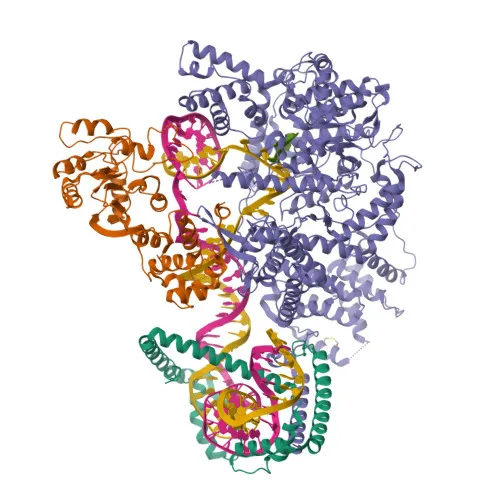
Related references: PMID:29149603 - TFAM binds to the light strand and HSP1 promoters, bending the DNA into a U-turn via its HMG-box domains to recruit POLRMT and facilitate transcription initiation.
Related references: PMID:22037172, PMID:1737790 - Beyond transcription, TFAM is critical for mtDNA maintenance and packaging; it compacts mtDNA into nucleoids, and its dosage tightly regulates mtDNA copy number.
Related references: PMID:19304746, PMID:22841477, PMID:22037171 - In cooperation with TFB2M, TFAM enables promoter opening and trapping of the DNA non-template strand, a crucial step for accurate transcription.
Related references: PMID:20410300 - TFAM localizes to the mitochondrial matrix and nucleoids, where it also plays a role in unwinding and organizing mtDNA.
- It undergoes alternative splicing and phosphorylation; disease-associated variants are linked to primary mitochondrial disorders.
- As a member of the HMGB family, TFAM uses its tandem HMG boxes to bind, bend, and loop mtDNA, contributing to nucleoid architecture.
Experimental Guidance and Technical Tips
- The immunogen corresponds to the N-terminal 1–220 region of human TFAM, which includes the tandem HMG-box domains; thus, the antibody is expected to recognize full-length TFAM.
- For Western blotting, consider using mitochondrial-enriched lysates for optimal detection; the predicted molecular weight is ~29 kDa, but post-translational modifications may cause a shift.
- For immunofluorescence/IF and ICC, anticipate a mitochondrial punctate staining pattern; co-staining with a mitochondrial marker is recommended to confirm localization.
- When performing ELISA, titrate the antibody against recombinant TFAM or cell lysates to establish optimal working dilutions.
- Due to high sequence conservation across human, mouse, and rat, cross-reactivity is likely, but validate the antibody in your model system.
CamelBio: Your One-Stop Sourcing Bridge
CamelBio provides diagnostic manufacturers and research laboratories with one-stop access to premium IVD raw materials, including validated antibody pairs and bulk ancillary reagents. This anti-TFAM polyclonal antibody exemplifies our commitment to delivering high-quality reagents for mitochondrial research and assay development. Contact our team to explore customized sourcing solutions for your next project.
REQUEST A QUOTE
Our professional team will reply to you within one business day. Please feel free to contact us!