Polyclonal Antibodies
Anti-TET2 Rabbit pAb for WB, IHC-P, ELISA - Q6N021
Item Number : CM0018006
Price varies based on specs and customizations
- Application
- WB, IHC-P, ELISA
- Cross Reactivity
- Human, Mouse, Rat
- Protein Weight
- 224kDa

Shipping:
Contact us to get shipping details Enjoy On-time Dispatch Guarantee.
Why Choose Us
Easy ordering process, quality products, and dedicated support for your business success.
Core Product Specifications and Parameters
| Parameter | Value |
|---|---|
| Product Name | TET2 Rabbit pAb |
| Remarks/Alias | MDS; IMD75; KIAA1546; TET2 |
| Species | Human |
| Gene ID | 54790 |
| Immunogen | Recombinant fusion protein containing a sequence corresponding to amino acids 1833-2002 of human TET2 (NP_001120680.1) |
| Source | Rabbit |
| Category | Polyclonal Antibodies |
| Application | WB, IHC-P, ELISA |
| Cross Reactivity | Human, Mouse, Rat |
| SWISS | Q6N021 |
| Protein Weight | 224kDa |
| Shipping | Ice bag |
Biological Background: TET2 Function and Localization
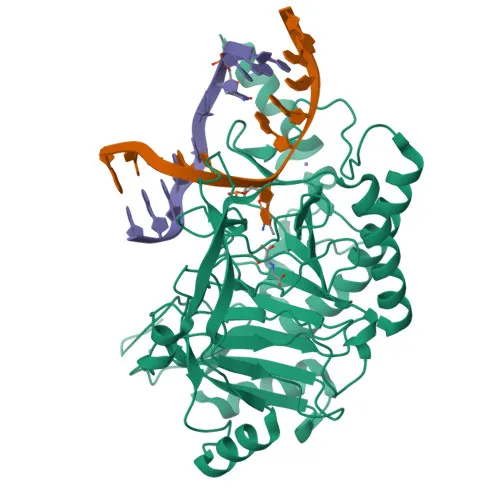
- TET2 (Methylcytosine dioxygenase TET2) is also known as KIAA1546, MDS, and IMD75. It belongs to the TET family of dioxygenases that play crucial roles in DNA demethylation.
- Functions as a dioxygenase that catalyzes the sequential oxidation of 5-methylcytosine (5mC) to 5-hydroxymethylcytosine (5hmC), 5-formylcytosine (5fC), and 5-carboxylcytosine (5caC), initiating active DNA demethylation.
- Preferentially acts on 5-hydroxymethylcytosine in CpG motifs and is essential for epigenetic regulation of transcription.
- Also mediates the recruitment of O-GlcNAc transferase OGT to CpG-rich transcription start sites, promoting histone H2B GlcNAcylation and further contributing to chromatin regulation.
- Localizes to the nucleus and is associated with chromosomes, consistent with its role in DNA modification and chromatin dynamics.
- Broadly expressed with highest levels in hematopoietic cells, particularly granulocytes; expression is reduced in granulocytes from patients with myelodysplastic syndromes, linking TET2 to hematopoiesis and disease.
- Features multiple domains and post-translational modifications, including acetylation, phosphorylation, and glycosylation, which may regulate its activity and stability.
- Classified as a tumor suppressor and is frequently mutated in myeloid malignancies; also involved in cell cycle control and alternative splicing.
Experimental Guidance and Technical Tips
- The immunogen spans amino acids 1833–2002 in the C-terminal region, so the antibody is expected to recognize full-length TET2. Verify reactivity if studying N-terminal isoforms or truncations.
- For Western blotting (WB), use a low‑percentage polyacrylamide gel (e.g., 6–8%) and optimize transfer conditions for high‑molecular‑weight proteins (~224 kDa). A wet transfer system with extended transfer times is recommended.
- In immunohistochemistry (IHC‑P), validate the antibody in formalin‑fixed, paraffin‑embedded tissues known to express TET2 (e.g., bone marrow, spleen). Antigen retrieval and detection conditions should be optimized empirically.
- Although the antibody is reported to cross‑react with mouse and rat, confirm reactivity in your specific model system and sample type.
- For ELISA applications, consider using recombinant TET2 protein or cell lysates to establish assay conditions, as matrix effects may vary.
CamelBio: Your One-Stop Sourcing Bridge
CamelBio partners with diagnostic manufacturers and research laboratories to provide validated raw materials, including this TET2 antibody, for epigenetics and DNA methylation studies. We offer one-stop access to polyclonal and monoclonal antibodies, antigen pairs, and ancillary reagents, supporting your IVD development from concept to clinic. Our supply network also specializes in sourcing rare-target raw materials and fulfilling bulk orders with reliable logistics.
REQUEST A QUOTE
Our professional team will reply to you within one business day. Please feel free to contact us!