Polyclonal Antibodies
Anti-TEAD1 Polyclonal Antibody for WB, IHC-P, IF/ICC, IP, ELISA, ChIP - P28347
Item Number : CM0026661
Price varies based on specs and customizations
- Application
- WB, IHC-P, IF/ICC, IP, ELISA, ChIP
- Cross Reactivity
- Human, Mouse, Rat
- Protein Weight
- 48kDa

Shipping:
Contact us to get shipping details Enjoy On-time Dispatch Guarantee.
Why Choose Us
Easy ordering process, quality products, and dedicated support for your business success.
Core Product Specifications and Parameters
| Parameter | Value |
|---|---|
| Product Name | TEAD1 Rabbit pAb |
| Remarks/Alias | AA; REF1; TCF13; TEF-1; NTEF-1; TCF-13; TEAD-1; TEAD1 |
| Species | Human |
| Gene ID (Human) | 7003 |
| Gene ID | 7003 |
| Immunogen | Recombinant fusion protein containing a sequence corresponding to amino acids 135-215 of human TEAD1 (NP_068780.2) |
| Source | Rabbit |
| Category | Polyclonal Antibodies |
| Application | WB, IHC-P, IF/ICC, IP, ELISA, ChIP |
| Cross Reactivity | Human, Mouse, Rat |
| SWISS | P28347 |
| Protein Weight | 48kDa |
| Shipping | Ice bag |
Biological Background: TEAD1 Function and Localization
- TEAD1 is a transcription factor and a key component of the Hippo signaling pathway, which controls organ size and suppresses tumors by restricting proliferation and promoting apoptosis.
- It mediates gene expression by associating with YAP1 and WWTR1 (TAZ), regulating cell proliferation, migration, and epithelial-mesenchymal transition (EMT).
- TEAD1 binds to the SPH and GT-IIC enhansons (5'-GTGGAATGT-3') and activates transcription in a cell-specific manner, interacting with a limiting cell-specific transcriptional intermediary factor (TIF).
- Involved in cardiac development and binds to the M-CAT motif.
- Subcellular location: Nucleus.
- Preferentially expressed in skeletal muscle, with lower levels in pancreas, placenta, and heart.
- The protein undergoes acetylation and phosphorylation and is subject to alternative splicing.
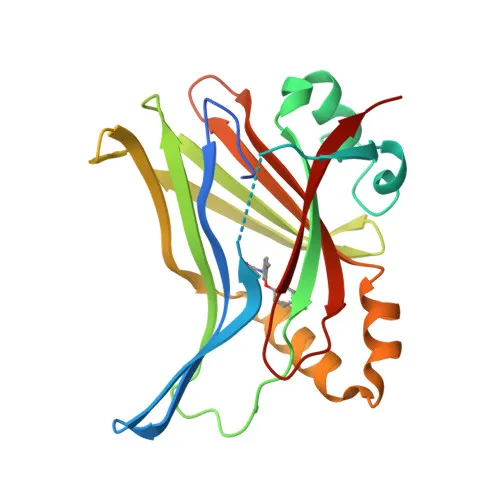
- Keywords: 3D-structure, Acetylation, Activator, Alternative splicing, Disease variant, DNA-binding, Nucleus, Phosphoprotein, Transcription, Transcription regulation.
Experimental Guidance and Technical Tips
- The immunogen (amino acids 135–215) corresponds to a region critical for DNA binding; the polyclonal antibody likely includes antibodies targeting epitopes involved in TEAD1-DNA interaction, potentially useful for ChIP.
- In WB, anticipate a band near 48 kDa; however, due to isoforms and PTMs, actual migration may differ; validate using positive controls like skeletal muscle lysate.
- For IP and ChIP, the polyclonal nature may improve capture efficiency; consider optimizing antibody concentration and crosslinking conditions for ChIP analysis of TEAD1 binding sites.
- For IHC-P and IF/ICC, use skeletal muscle tissue as a positive control; note that antigen retrieval and permeabilization steps may be required for nuclear detection.
CamelBio: Your One-Stop Sourcing Bridge
CamelBio serves as a comprehensive sourcing partner for IVD raw materials, connecting diagnostic manufacturers and researchers with high-quality reagents. For transcription factor and pathway studies such as those involving TEAD1 and the Hippo signaling cascade, we offer a range of optimized antibodies, recombinant proteins, and ancillary reagents. Rely on us for efficient procurement, from validated antibody pairs and bulk polyclonal antibodies to rare-target raw materials, accelerating your assay development from concept to clinic.
Product Datasheet
Anti-TEAD1 Polyclonal Antibody for WB, IHC-P, IF/ICC, IP, ELISA, ChIP - P28347
REQUEST A QUOTE
Our professional team will reply to you within one business day. Please feel free to contact us!