Polyclonal Antibodies
Anti-TARS Polyclonal Antibody for WB, IHC-P, IF/ICC, ELISA - P26639
Item Number : CM0026689
Price varies based on specs and customizations
- Application
- WB, IHC-P, IF/ICC, ELISA
- Cross Reactivity
- Human, Mouse, Rat
- Protein Weight
- 83kDa

Shipping:
Contact us to get shipping details Enjoy On-time Dispatch Guarantee.
Why Choose Us
Easy ordering process, quality products, and dedicated support for your business success.
Core Product Specifications and Parameters
| Parameter | Value |
|---|---|
| Product Name | TARS Rabbit pAb |
| Remarks/Alias | TARS; TTD7; ThrRS |
| Species | Human |
| Gene ID (Human) | 6897 |
| Immunogen | Recombinant fusion protein containing a sequence corresponding to amino acids 1-230 of human TARS (NP_689508.3) |
| Source | Rabbit |
| Category | Polyclonal Antibodies |
| Application | WB, IHC-P, IF/ICC, ELISA |
| Cross Reactivity | Human, Mouse, Rat |
| SWISS | P26639 |
| Protein Weight | 83kDa |
| Shipping | Ice bag |
Biological Background: Threonine--tRNA Ligase 1 Function and Localization
- Threonine--tRNA ligase 1, cytoplasmic (TARS, also known as TARS1, ThrRS), is a member of the aminoacyl-tRNA synthetase family that specifically charges tRNA(Thr) with threonine.
- Catalyzes the attachment of threonine to tRNA(Thr) via a two-step mechanism: threonine activation by ATP to form Thr-AMP, followed by transfer to the acceptor end of tRNA(Thr) (PubMed:25824639, PubMed:31374204). Related references: PMID:25824639, PMID:31374204
- Possesses an editing domain that hydrolytically removes mischarged amino acids from tRNA(Thr) at the post-transfer stage, ensuring high fidelity of protein synthesis (By similarity).
- Localizes predominantly to the cytoplasm, where it functions in translational elongation.
- Subject to multiple post-translational modifications including acetylation, phosphorylation, and ubiquitin-like conjugation; also exhibits alternative splicing.
- Contains disease-associated variants (keyword: Disease variant), implicating TARS in human pathology.
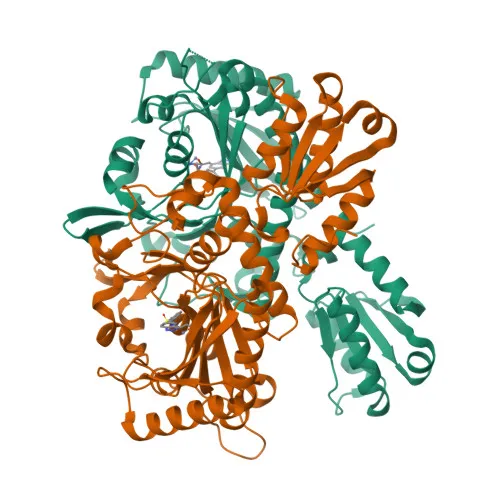
- Structural studies (3D-structure keyword) have provided insights into its catalytic and editing domains.
Experimental Guidance and Technical Tips
- The antibody is raised against a recombinant immunogen corresponding to the N-terminal region (amino acids 1–230) of human TARS. Confirm reactivity with your target of interest in relevant species (human, mouse, rat).
- For Western blot (WB), use appropriate protein loading controls and validate band specificity using knockdown or knockout cell lysates if available.
- In immunohistochemistry (IHC-P), optimize antigen retrieval and antibody dilution; include positive and negative tissue controls.
- For immunofluorescence (IF/ICC), consider fixation and permeabilization conditions suitable for cytoplasmic targets.
- The polyclonal nature may recognize multiple isoforms or modified forms; validate in your experimental system.
CamelBio: Your One-Stop Sourcing Bridge
CamelBio serves as a comprehensive one-stop partner for IVD raw-material sourcing, technical support, and consultative services from concept to clinic. This anti-TARS polyclonal antibody is ideal for research in protein translation, aminoacyl-tRNA synthetase biology, and related disease areas. Beyond individual antibodies, CamelBio offers validated antibody pairs, optimized monoclonal/polyclonal antibodies, bulk ancillary reagents, and custom sourcing for rare targets to support your diagnostic and research pipelines.
REQUEST A QUOTE
Our professional team will reply to you within one business day. Please feel free to contact us!