Monoclonal Antibodies
Anti-TAPP1 Rabbit Monoclonal Antibody for WB, ELISA - Q9HB21
Item Number : CM0002981
Price varies based on specs and customizations
- Application
- WB, ELISA
- Cross Reactivity
- Human, Mouse, Rat

Shipping:
Contact us to get shipping details Enjoy On-time Dispatch Guarantee.
Why Choose Us
Easy ordering process, quality products, and dedicated support for your business success.
Core Product Specifications and Parameters
| Parameter | Value |
|---|---|
| Product Name | TAPP1 Rabbit mAb |
| Remarks/Alias | TAPP1 |
| Species | Human |
| Gene ID (Human) | 59338 |
| Gene ID | 59338 |
| Immunogen | A synthetic peptide corresponding to a sequence within amino acids 300-404 of human TAPP1 (Q9HB21). |
| Source | Rabbit |
| Category | Monoclonal Antibodies |
| Application | WB, ELISA |
| Cross Reactivity | Human, Mouse, Rat |
| SWISS | Q9HB21 |
| Protein Weight | 46kDa |
| Shipping | Ice bag |
Biological Background: TAPP1 Function and Localization
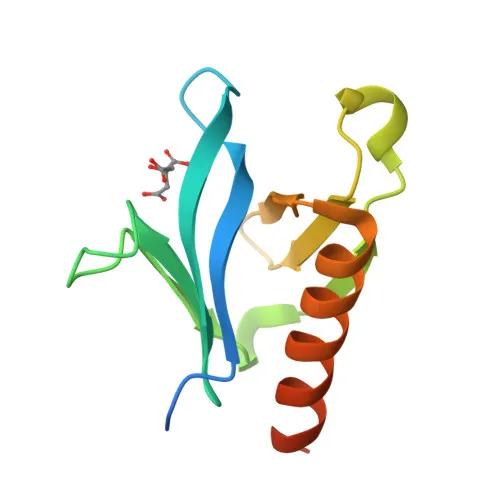
- TAPP1, also known as Pleckstrin homology domain-containing family A member 1 (PLEKHA1) or Tandem PH domain-containing protein 1 (TAPP-1), is a member of the pleckstrin homology domain-containing family.
- Contains tandem PH domains that specifically bind phosphatidylinositol 3,4-diphosphate (PtdIns3,4P2), with no affinity for other phosphoinositides, implicating it in phosphoinositide-mediated signaling pathways.
- Likely functions as an adaptor or scaffold protein, recruiting downstream effectors to the plasma membrane upon PtdIns3,4P2 generation.
- Subcellular localization includes the cytoplasm, cell membrane, and nucleus, suggesting dynamic shuttling and diverse functional roles.
- Highly expressed in skeletal muscle, thymus, pancreas, placenta, and lung, with lower levels detected in brain, heart, kidney, liver, and other tissues.
- Classified as a phosphoprotein and subject to alternative splicing, indicating regulatory post-translational modifications and multiple isoforms.
- The lipid-binding PH domains are essential for membrane targeting and participation in cellular processes such as cytoskeletal reorganization and vesicular trafficking.
Experimental Guidance and Technical Tips
- The immunogen corresponds to a sequence within amino acids 300-404 of human TAPP1, a region conserved across human, mouse, and rat; thus, cross-species reactivity is expected. Validate in the relevant sample system.
- For Western blot (WB), consider using reducing conditions, and include positive control lysates from high-expression tissues (e.g., skeletal muscle) to confirm specificity.
- In ELISA, the rabbit monoclonal antibody can be explored as a capture or detection reagent. Optimization of coating buffer, blocking, and antibody dilution is recommended.
- As a rabbit monoclonal antibody, it generally offers high affinity, specificity, and lot-to-lot consistency. Verify performance under your specific experimental conditions.
CamelBio: Your One-Stop Sourcing Bridge
CamelBio provides diagnostic manufacturers, research laboratories, and institutes with streamlined access to validated IVD raw materials, including this TAPP1 rabbit monoclonal antibody suitable for cell signaling and membrane trafficking studies. Our supply portfolio spans optimized antibody pairs, recombinant monoclonal and polyclonal antibodies, bulk ancillary reagents, and custom sourcing for rare targets—supporting your projects from early development through clinical application.
REQUEST A QUOTE
Our professional team will reply to you within one business day. Please feel free to contact us!