Polyclonal Antibodies
Anti-TACR3 Rabbit Polyclonal Antibody for WB and ELISA - P29371
Item Number : CM0027970
Price varies based on specs and customizations
- Application
- WB, ELISA
- Cross Reactivity
- Human, Mouse, Rat
- Protein Weight
- 52kDa

Shipping:
Contact us to get shipping details Enjoy On-time Dispatch Guarantee.
Why Choose Us
Easy ordering process, quality products, and dedicated support for your business success.
Core Product Specifications and Parameters
| Parameter | Value |
|---|---|
| Product Name | TACR3 Rabbit pAb |
| Remarks/Alias | NK3, NKR, HH11, NK3R, NK-3R, TAC3R, TAC3RL, TACR3 |
| Species | Human |
| GeneID (Human) | 6870 |
| GeneID | 6870 |
| Immunogen | Recombinant fusion protein containing a sequence corresponding to amino acids 356-465 of human TACR3 (NP_001050.1). |
| Source | Rabbit |
| Category | Polyclonal Antibodies |
| Application | WB, ELISA |
| Cross Reactivity | Human, Mouse, Rat |
| SWISS | P29371 |
| Protein Weight | 52kDa |
| Shipping | Ice bag |
Biological Background: TACR3 Function and Localization
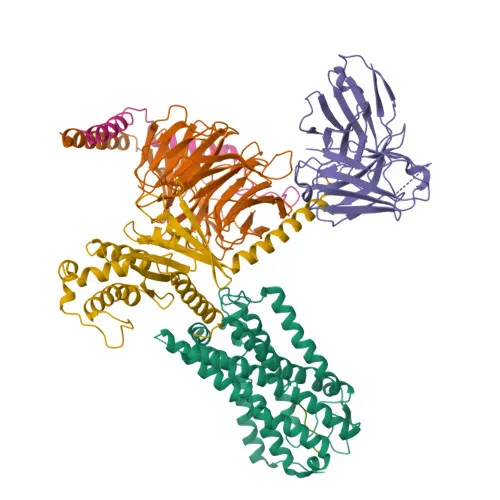
- TACR3 encodes the neuromedin-K receptor (NK-3R), also referred to as neurokinin B receptor, a G protein-coupled receptor (GPCR) that binds tachykinin peptide ligands.
- The receptor exhibits highest affinity for neuromedin-K (neurokinin B), with lower affinity for substance K and substance P (PubMed:1312036). Upon ligand binding, it triggers G(q)-mediated phospholipase C activation and phosphatidylinositol hydrolysis (PubMed:37391393). Related references: PMID:1312036, PMID:37391393
- Additionally, neuromedin-K binding promotes signaling through adenylate cyclase, leading to increased intracellular cAMP levels (By similarity).
- The receptor localizes to the cell membrane and belongs to the rhodopsin-like GPCR superfamily, characterized by seven transmembrane domains.
- Clinically, mutations in TACR3 are linked to congenital hypogonadotropic hypogonadism, a condition marked by deficient gonadotropin secretion and reproductive axis dysfunction.
- Post-translational modifications include N-linked glycosylation, palmitoylation at cysteine residues, and conserved disulfide bonds essential for receptor stabilization and trafficking.
Experimental Guidance and Technical Tips
- The immunogen corresponds to the C-terminal intracellular domain (aa 356–465), enabling recognition of both unmodified and post-translationally modified receptor forms; validate detection in your sample system.
- For Western blot, consider using a reducing agent and appropriate loading controls to confirm 52 kDa band specificity; a band shift may occur due to glycosylation.
- In ELISA applications, the recombinant immunogen can serve as a positive control; optimize coating conditions and antibody dilution for your specific assay format.
- Given cross-reactivity with mouse and rat, verify sequence homology in the immunogen region; if using these species, include species-specific positive controls.
CamelBio: Your One-Stop Sourcing Bridge
CamelBio offers diagnostic manufacturers and research laboratories a comprehensive one-stop platform for IVD raw materials. This anti-TACR3 polyclonal antibody exemplifies our portfolio of GPCR-targeted reagents, supported by validated antibody pairs and optimized monoclonal/polyclonal antibodies. Beyond antibodies, we provide bulk ancillary reagents and can assist with sourcing rare or custom targets—ensuring you have the critical raw materials needed from concept to clinical application.
REQUEST A QUOTE
Our professional team will reply to you within one business day. Please feel free to contact us!