Polyclonal Antibodies
Anti-TAC3 Rabbit Polyclonal Antibody for WB, IF-P, ELISA - Q9UHF0
Item Number : CM0025737
Price varies based on specs and customizations
- Application
- WB, IF-P, ELISA
- Cross Reactivity
- Human, Mouse, Rat
- Protein Weight
- 13kDa

Shipping:
Contact us to get shipping details Enjoy On-time Dispatch Guarantee.
Why Choose Us
Easy ordering process, quality products, and dedicated support for your business success.
Core Product Specifications and Parameters
| Parameter | Value |
|---|---|
| Product Name | TAC3 Rabbit pAb |
| Remarks/Alias | NK3; NKB; HH10; NKNB; PRO1155; ZNEUROK1; LncZBTB39; TAC3 |
| Species | Human |
| GeneID (Human) | 6866 |
| GeneID | 6866 |
| Immunogen | Recombinant protein |
| Source | Rabbit |
| Category | Polyclonal Antibodies |
| Application | WB, IF-P, ELISA |
| Cross Reactivity | Human, Mouse, Rat |
| SWISS | Q9UHF0 |
| Protein Weight | 13kDa |
| Shipping | Ice bag |
Biological Background: TAC3 Function and Localization
- Tachykinin-3 (TAC3), also known as neurokinin B, is a member of the tachykinin family of neuropeptides that excite neurons, evoke behavioral responses, act as potent vasodilators and secretagogues, and contract smooth muscles.
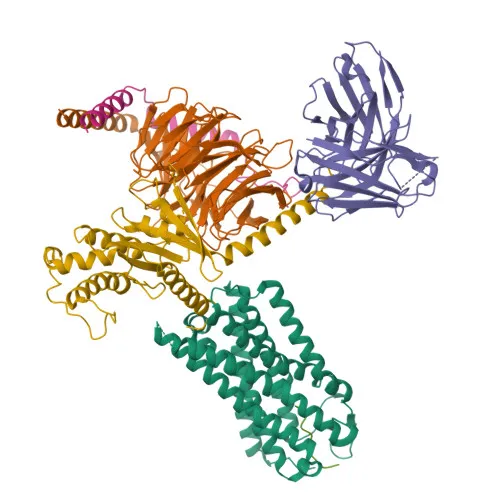
- TAC3 functions as a high-affinity ligand for the tachykinin receptor 3 (TACR3), triggering G protein-coupled receptor signaling via G(q)-mediated phosphatidylinositol hydrolysis by phospholipase C. Related references: PMID:37391393
- TAC3 binding to TACR3 also stimulates adenylate cyclase activity, increasing intracellular cyclic AMP levels, a mechanism conserved across species (By similarity).
- It serves as a critical central regulator of gonadal function, with genetic variants linked to hypogonadotropic hypogonadism. Related references: PMID:19079066
- The protein undergoes post-translational processing, including cleavage on pairs of basic residues and C-terminal amidation, to generate the mature bioactive peptide.
- Subcellularly, TAC3 is secreted, consistent with its role as a signaling molecule.
- Alternative splicing produces multiple transcript variants, and the protein has been identified through proteomics approaches (Keywords: Alternative splicing, Proteomics identification).
- Clinically, mutations in TAC3 are associated with hypogonadotropic hypogonadism, underscoring its role in reproductive endocrinology.
Experimental Guidance and Technical Tips
- The immunogen spans amino acids 1–121 of human TAC3 (full-length precursor), so the antibody may recognize both precursor and mature peptide forms in WB; consider molecular weight markers around 13 kDa for the precursor and smaller cleaved products.
- For WB, reducing conditions are typically suitable; however, validate the optimal loading amount and detection conditions in your specific sample system.
- In IF-P, permeabilization may enhance staining since TAC3 is secreted; fixation and antigen retrieval should be optimized for the cellular model.
- ELISA performance can vary with coating antigen format (peptide vs. full-length); titrate the antibody and include appropriate controls.
- Cross-reactivity with mouse and rat indicates conserved epitopes; verify the expected staining pattern in relevant tissues from these species.
CamelBio: Your One-Stop Sourcing Bridge
CamelBio provides diagnostic manufacturers, research labs, and institutes with streamlined access to IVD raw materials, technical services, and consulting—from concept to clinic. In the area of neuropeptide signaling and reproductive biology, we offer validated antibody pairs, optimized monoclonal and polyclonal antibodies, bulk ancillary reagents, and rare target sourcing to support your assay development. Whether you need this TAC3 polyclonal antibody or complementary reagents, CamelBio is your trustworthy procurement partner.
REQUEST A QUOTE
Our professional team will reply to you within one business day. Please feel free to contact us!