Polyclonal Antibodies
Anti-TAC1 Rabbit Polyclonal Antibody for WB, ELISA - P20366
Item Number : CM0019066
Price varies based on specs and customizations
- Application
- WB, ELISA
- Cross Reactivity
- Human,Rat
- Protein Weight
- 15 kDa

Shipping:
Contact us to get shipping details Enjoy On-time Dispatch Guarantee.
Why Choose Us
Easy ordering process, quality products, and dedicated support for your business success.
Core Product Specifications and Parameters
| Parameter | Value |
|---|---|
| Product Name | TAC1 Rabbit pAb |
| Remarks/Alias | NK2; NPK; NKNA; TAC2; Hs.2563; TAC1 |
| Species | Human |
| Gene ID (Human) | 6863 |
| Gene ID | 6863 |
| Immunogen | Recombinant protein|Recombinant fusion protein containing a sequence corresponding to amino acids 1-129 of human TAC1 (NP_003173.1). |
| Source | Rabbit |
| Category | Polyclonal Antibodies |
| Application | WB, ELISA |
| Cross Reactivity | Human,Rat |
| SWISS | P20366 |
| Protein Weight | 15 kDa |
| Shipping | Ice bag |
Biological Background: TAC1 Function and Localization
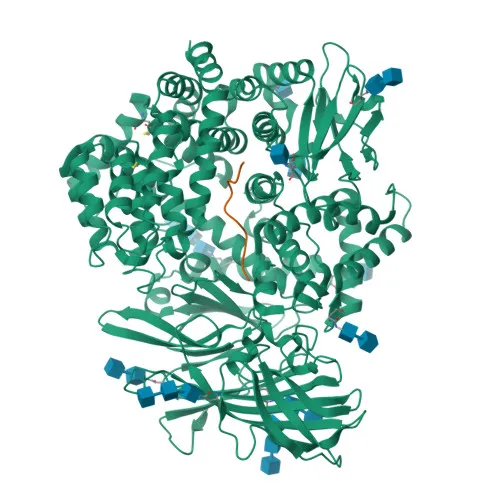
- Protachykinin-1 (TAC1), also known as PPT, is a precursor protein that yields multiple tachykinin neuropeptides—including substance P, neurokinin A, neurokinin K, and neuropeptide K—through alternative splicing and post‑translational processing.
- Substance P functions as a high‑affinity ligand for the neurokinin‑1 receptor (TACR1), activating phospholipase C and adenylate cyclase signaling cascades; it also acts as a low‑affinity TACR3 agonist and triggers MRGPRX2‑mediated mast cell degranulation, driving neurogenic inflammation and pain. Related references: PMID:37391393 | PMID:30686732 | PMID:34789875
- Neurokinin A serves as an endogenous agonist for the tachykinin receptor TACR2, coupling to Gq/phospholipase C and cAMP pathways. Related references: PMID:35882833
- Tachykinins are potent vasodilators, secretagogues, and smooth‑muscle contractors, and they excite neurons and evoke behavioral responses.
- The protein is secreted from the terminals of specific sensory nerves and localizes to extracellular and secretome compartments.
- Maturation of active tachykinins involves amidation and cleavage at pairs of basic residues.
- The TAC1 gene is also referred to as NK2, NPK, NKNA, or TAC2.
Experimental Guidance and Technical Tips
- The immunogen corresponds to the N‑terminal region (aa 1–129) of human TAC1, which is predicted to detect the full‑length protachykinin-1 precursor. For western blotting, consider a protein band at approximately 15 kDa; however, alternative splicing and rapid processing may yield multiple or lower‑molecular‑weight bands depending on the biological system.
- For ELISA, the antibody can be paired with a suitable detection reagent; use recombinant TAC1 protein as a standard to establish assay sensitivity.
- Validate the antibody in physiologically relevant human or rat tissues/cells known to express TAC1 (e.g., neuronal, inflammatory, or sensory nerve models) to confirm specificity.
- Because TAC1 functions as a secreted peptide, be aware that cell‑conditioned medium or tissue extracts may require optimization of sample preparation to capture all isoforms.
CamelBio: Your One-Stop Sourcing Bridge
CamelBio is your one-stop sourcing partner for IVD raw materials, supporting neuroscience and inflammation research. We offer validated polyclonal antibodies like this anti-TAC1 antibody, along with matching antigen proteins, ancillary reagents, and custom development services to streamline your workflow from discovery to clinical application. Contact us to secure high‑quality reagents for your tachykinin signaling studies and diagnostic development projects.
REQUEST A QUOTE
Our professional team will reply to you within one business day. Please feel free to contact us!