Polyclonal Antibodies
Anti-STING/TMEM173 Polyclonal Antibody (WB, IHC-P, ELISA) - Q3TBT3
Item Number : CM0021406
Price varies based on specs and customizations
- Application
- WB, IHC-P, ELISA
- Cross Reactivity
- Human, Mouse, Rat
- Protein Weight
- 43kDa

Shipping:
Contact us to get shipping details Enjoy On-time Dispatch Guarantee.
Why Choose Us
Easy ordering process, quality products, and dedicated support for your business success.
Core Product Specifications and Parameters
| Parameter | Value |
|---|---|
| Product Name | STING/TMEM173 Rabbit pAb |
| Remarks/Alias | ERIS; MPYS; Mita; STING; Tmem173; STING-beta; 2610307O08Rik |
| Species | Mouse |
| GeneID (Human) | 340061 |
| GeneID | 72512 |
| Immunogen | Synthetic peptide corresponding to amino acids 280-371 of mouse STING (NP_938023.1) |
| Source | Rabbit |
| Category | Polyclonal Antibodies |
| Application | WB, IHC-P, ELISA |
| Cross Reactivity | Human, Mouse, Rat |
| SWISS | Q3TBT3 |
| Protein Weight | 43kDa |
| Shipping | Ice bag |
Biological Background: STING/TMEM173 Function and Localization
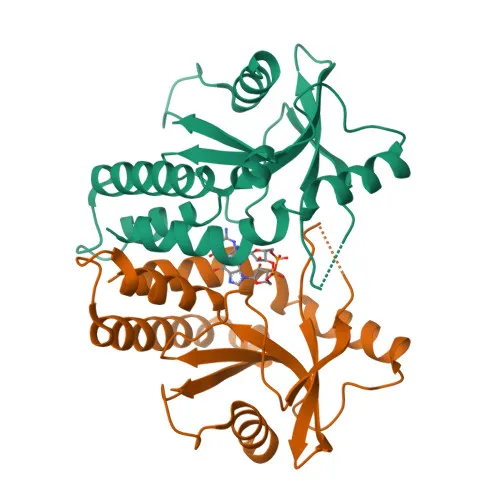
- Facilitator of innate immune signaling that acts as a sensor of cytosolic DNA from bacteria and viruses and promotes the production of type I interferon (IFN-alpha and IFN-beta). Related references: PMID:18818105 PMID:19433799 PMID:19776740
- Cyclic dinucleotide sensor: binds bacterial second messenger c-di-GMP and host-derived cGAMP (2',3'-cGAMP) with high affinity, triggering downstream signaling. Related references: PMID:21947006 PMID:23258412 PMID:23519410
- Ligand-induced activation: upon ligand binding, STING oligomerizes, translocates from the endoplasmic reticulum, and is phosphorylated by TBK1 on the pLxIS motif, leading to IRF3 recruitment and type I interferon induction. Related references: PMID:25636800 PMID:27324217 PMID:29973723
- cGAMP linkage specificity: preferentially activated by 2',3'-linked cGAMP due to its pre-organized conformation, though it can bind 3'-3' linked cGAMP with lower affinity. Related references: PMID:26300263
- Autophagy function: directly promotes autophagy by budding from the ER into COPII vesicles, forming the ERGIC, which serves as a membrane source for WIPI2 recruitment and LC3 lipidation. Following bacterial infection, c-di-GMP-induced reticulophagy is also observed. Related references: PMID:30568238 PMID:29056340
- May participate in translocon function and transduce apoptotic signals through association with MHC class II molecules. Related references: PMID:18559423
- Subcellular localization: primarily resides on the endoplasmic reticulum membrane but dynamically traffics to the ERGIC, Golgi apparatus, autophagosomes, mitochondrial outer membrane, and cell membrane upon activation.
- Expressed in lymphoid tissues such as spleen and thymus, and in dendritic cells at the protein level.
Experimental Guidance and Technical Tips
- The immunogen corresponds to a C-terminal peptide (aa 280-371), ensuring recognition of full-length STING as well as potential isoforms like STING-beta. Verify specificity against knockout samples or by peptide blocking.
- For Western blotting, an expected band near 43 kDa should be observed. Keep in mind that post-translational modifications and alternative splicing may produce additional bands.
- IHC-P applications: optimal antigen retrieval conditions (heat-induced epitope retrieval with citrate buffer, pH 6.0, or EDTA buffer, pH 9.0) should be empirically determined. Positive control tissues include mouse spleen or thymus; consider nuclear/perinuclear and cytoplasmic staining patterns.
- For ELISA, pairing with a capture antibody against a distinct epitope (e.g., N-terminal) may be beneficial for sandwich assays. Validate the working concentration range using recombinant mouse STING protein.
- The antibody shows cross-reactivity with human and rat STING; however, confirm sequence homology in the immunogen region and validate in the relevant sample system.
CamelBio: Your One-Stop Sourcing Bridge
CamelBio supports diagnostic manufacturers and researchers with comprehensive IVD raw-material sourcing—from validated antibody pairs and bulk monoclonals to polyclonal antibodies and rare target reagents. This anti-STING polyclonal antibody is part of our innate immunity portfolio, enabling the development of assays targeting the cGAS-STING pathway, interferon signaling, and autophagy. Reach out to discuss custom formulations, bulk orders, or additional technical consultations tailored to your pipeline.
REQUEST A QUOTE
Our professional team will reply to you within one business day. Please feel free to contact us!