Monoclonal Antibodies
Anti-STING/TMEM173 Monoclonal Antibody for WB, IP, IF/ICC, IF-P, IHC-P, ELISA - Q86WV6
Item Number : CM0003714
Price varies based on specs and customizations
- Application
- WB, IP, IF/ICC, IF-P, IHC-P, ELISA
- Cross Reactivity
- Human, Mouse, Rat
- Protein Weight
- 42kDa

Shipping:
Contact us to get shipping details Enjoy On-time Dispatch Guarantee.
Why Choose Us
Easy ordering process, quality products, and dedicated support for your business success.
Core Product Specifications and Parameters
| Parameter | Value |
|---|---|
| Product Name | STING/TMEM173 Rabbit mAb |
| Remarks/Alias | ERIS; MITA; MPYS; SAVI; NET23; STING; hMITA; hSTING; TMEM173; STING-beta; STING/TMEM173 |
| Species | Human |
| Gene ID (Human) | 340061 |
| Gene ID | 340061 |
| Immunogen | Recombinant protein | Recombinant fusion protein containing a sequence corresponding to amino acids 150-379 of human STING/TMEM173 (NP_938023.1). |
| Source | Rabbit |
| Category | Monoclonal Antibodies |
| Application | WB, IP, IF/ICC, IF-P, IHC-P, ELISA |
| Cross Reactivity | Human, Mouse, Rat |
| SWISS | Q86WV6 |
| Protein Weight | 42kDa |
| Shipping | Ice bag |
Biological Background: STING/TMEM173 Function and Localization
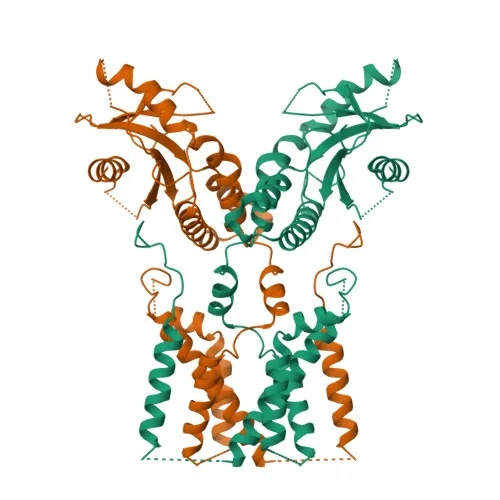
- STING1 (stimulator of interferon genes protein), also known as ERIS, MITA or TMEM173, acts as a sensor of cytosolic DNA from bacteria and viruses and promotes the production of type I interferon (IFN-alpha and IFN-beta). Related references: PMID:18724357, PMID:18818105, PMID:19433799, PMID:26300263
- Upon binding to cyclic dinucleotides (c-di-GMP, cUAMP or cGAMP), STING1 oligomerizes, translocates from the endoplasmic reticulum and is phosphorylated by TBK1, leading to recruitment and activation of the transcription factor IRF3 to induce type I interferons and exert a potent anti-viral state. Related references: PMID:21947006, PMID:23258412, PMID:23707065, PMID:22394562, PMID:25636800, PMID:29973723
- STING1 exhibits 2',3' phosphodiester linkage-specific ligand recognition, preferentially activated by 2',3'-linked cGAMP due to its favorable free-ligand conformation. Related references: PMID:23747010, PMID:23910378, PMID:26300263, PMID:26150511
- Beyond interferon induction, STING1 directly promotes autophagy by budding from the endoplasmic reticulum into COPII vesicles, forming the ERGIC that serves as the membrane source for LC3 lipidation and autophagosome formation targeting cytosolic DNA or viruses. Related references: PMID:30568238, PMID:30842662, PMID:41639454, PMID:41639452, PMID:37535724
- STING1 is localized to the endoplasmic reticulum membrane, ER-Golgi intermediate compartment, Golgi apparatus membrane, autophagosome membrane, mitochondrial outer membrane and cell membrane, consistent with its dynamic trafficking during signaling.
- The protein is ubiquitously expressed and found in skin endothelial cells, alveolar type 2 pneumocytes, bronchial epithelium and alveolar macrophages.
- Antiviral activity of STING1 can be antagonized by oncoproteins such as papillomavirus E7 and adenovirus E1A, which prevent sensing of cytosolic DNA. Related references: PMID:26405230
- STING1 may also be involved in translocon function and association with MHC class II molecules, potentially linking innate immunity to apoptotic signal transduction. Related references: PMID:18724357
Experimental Guidance and Technical Tips
- The immunogen encompasses amino acids 150-379 of human STING1, a region likely retaining native conformation; thus the antibody may be suitable for immunoprecipitation and immunofluorescence applications where native protein structure is preferred.
- For western blot, expect a band around 42 kDa. Validate with positive control lysates from STING-expressing cells such as THP-1 or human fibroblasts, and confirm absence in STING knockout lines if available.
- Cross-reactivity with mouse and rat is indicated. For non-human samples, consider verifying reactivity using species-matched positive controls and performing Western blot to compare band patterns.
- The antibody can be used in multiple immunoassays (ELISA, IHC-P, IF-P). As always, optimal working dilutions should be determined by end-user validation in the relevant sample matrix.
CamelBio: Your One-Stop Sourcing Bridge
CamelBio provides diagnostic manufacturers, labs, and research institutes with one-stop access to IVD raw materials, technical services, and consulting—covering every stage from concept to clinic. For STING/TMEM173 antibody needs, we offer validated monoclonal antibodies, optimized antibody pairs, and bulk ancillary reagents to support your innate immunity assay development. Our team specializes in sourcing rare-target raw materials for infectious disease and immune pathway applications.
Product Datasheet
Anti-STING/TMEM173 Monoclonal Antibody for WB, IP, IF/ICC, IF-P, IHC-P, ELISA - Q86WV6
REQUEST A QUOTE
Our professional team will reply to you within one business day. Please feel free to contact us!