Monoclonal Antibodies
Anti-STIM1 Rabbit PolymAb® for WB, IHC-P, IP, ELISA - Q13586
Item Number : CM0006300
Price varies based on specs and customizations
- Application
- WB, IHC-P, IP, ELISA
- Cross Reactivity
- Human, Mouse, Rat
- Protein Weight
- 77kDa

Shipping:
Contact us to get shipping details Enjoy On-time Dispatch Guarantee.
Why Choose Us
Easy ordering process, quality products, and dedicated support for your business success.
Core Product Specifications and Parameters
| Parameter | Specification |
|---|---|
| Product Name | STIM1 Rabbit PolymAb® |
| Remarks/Alias | GOK; TAM; TAM1; IMD10; STRMK; D11S4896E |
| Species | Human |
| GeneID (Human) | 6786 |
| GeneID | 6786 |
| Immunogen | Recombinant fusion protein containing a sequence corresponding to amino acids 530-685 of human STIM1 (NP_003147.2) |
| Source | Rabbit |
| Category | Monoclonal Antibodies |
| Application | WB, IHC-P, IP, ELISA |
| Cross Reactivity | Human, Mouse, Rat |
| SWISS | Q13586 |
| Protein Weight | 77kDa |
| Shipping | Ice bag |
Biological Background: STIM1 Function and Localization
-
STIM1 acts as a Ca²⁺ sensor that gates two major inward rectifying Ca²⁺ channels at the plasma membrane: Ca²⁺ release-activated Ca²⁺ (CRAC) channels and arachidonate-regulated Ca²⁺-selective (ARC) channels, playing a central role in calcium homeostasis. Related references: PMID:15866891 PMID:16005298 PMID:16208375
-
Upon depletion of endoplasmic reticulum (ER) Ca²⁺ stores, STIM1 oligomerizes and translocates from the ER membrane to ER-plasma membrane junctions, where it directly activates ORAI1, ORAI2, and ORAI3 CRAC channel subunits to generate sustained and oscillatory Ca²⁺ entry. Related references: PMID:16537481 PMID:32415068
-
STIM1 is involved in enamel formation, highlighting its role in tissue-specific calcification processes. Related references: PMID:24621671
-
The protein negatively regulates the type I interferon response by retaining the signaling adaptor STING at the endoplasmic reticulum, thereby preventing its activation and downstream immune signaling. Related references: PMID:30643259
-
STIM1 is ubiquitously expressed in various human primary cells and tumor cell lines, underscoring its fundamental role in cellular physiology.
-
Subcellularly, STIM1 is localized to the cell membrane, endoplasmic reticulum membrane, cytoplasm, cytoskeleton, and sarcoplasmic reticulum, consistent with its dynamic shuttling function.
-
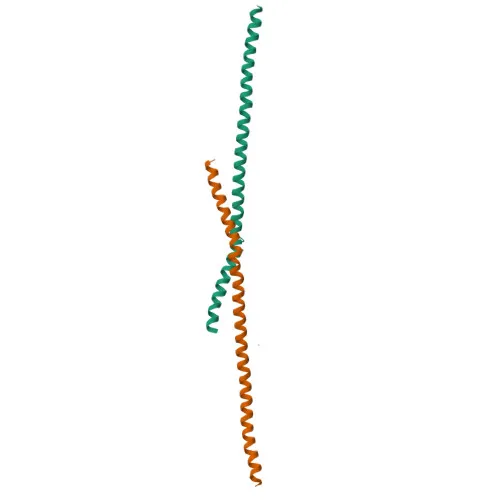
Post-translational modifications include N-linked glycosylation and phosphorylation, which may regulate its stability and activity. The protein contains a signal peptide, a single transmembrane helix, and a cytoplasmic coiled-coil domain.
-
Alternative splicing generates multiple isoforms, which may exhibit tissue-specific expression or distinct functional properties.
Experimental Guidance and Technical Tips
-
The immunogen spans amino acids 530–685, a region within the cytoplasmic C-terminal segment of STIM1. This design may favor detection of the full-length protein and certain splice variants, but could miss isoforms lacking this region. Validate in your target cell line or tissue.
-
For Western blotting, a predominant band near 77 kDa is expected, though additional bands may appear due to glycosylation or alternative splicing. Use appropriate loading controls and confirm specificity with negative controls (e.g., siRNA knockdown or CRISPR knockout if available).
-
In immunohistochemistry (IHC-P), antigen retrieval method and antibody dilution need optimization, as STIM1’s intracellular localization may require permeabilization. Include appropriate isotype controls and validate staining with known positive and negative tissues.
-
For immunoprecipitation (IP), pre-incubate the antibody with protein A/G beads for efficient capture, and consider cross-linking to prevent heavy/light chain interference in downstream WB. Confirm co-precipitation of known interaction partners such as ORAI1.
-
For ELISA, titrate the antibody against the immunogen or cell lysate to determine optimal coating and detection conditions. Pair with a matched detection antibody or conjugated secondary for sandwich ELISA setups.
CamelBio: Your One-Stop Sourcing Bridge
CamelBio is your integrated gateway to high-quality IVD raw materials, connecting diagnostic manufacturers, labs, and research institutes with critical reagents for calcium signaling and ion channel research. Beyond this anti-STIM1 antibody, we offer validated antibody pairs, optimized recombinant monoclonals, and bulk ancillary reagents to streamline your assay development. Our sourcing network enables rapid access to rare-target raw materials, supporting your projects from concept to clinical application.
REQUEST A QUOTE
Our professional team will reply to you within one business day. Please feel free to contact us!