Polyclonal Antibodies
Anti-STIM1 Rabbit Polyclonal Antibody for WB, IHC-P, IP, ELISA - Q13586
Item Number : CM0022972
Price varies based on specs and customizations
- Application
- WB, IHC-P, IP, ELISA
- Cross Reactivity
- Human, Mouse, Rat
- Protein Weight
- 77kDa

Shipping:
Contact us to get shipping details Enjoy On-time Dispatch Guarantee.
Why Choose Us
Easy ordering process, quality products, and dedicated support for your business success.
Core Product Specifications and Parameters
| Parameter | Value |
|---|---|
| Product Name | STIM1 Rabbit pAb |
| Remarks/Alias | GOK; TAM; TAM1; IMD10; STRMK; D11S4896E; STIM1 |
| Species | Human |
| GeneID (Human) | 6786 |
| GeneID | 6786 |
| Immunogen | Recombinant fusion protein containing a sequence corresponding to amino acids 451-685 of human STIM1 (NP_003147.2) |
| Source | Rabbit |
| Category | Polyclonal Antibodies |
| Application | WB, IHC-P, IP, ELISA |
| Cross Reactivity | Human, Mouse, Rat |
| SWISS | Q13586 |
| Protein Weight | 77kDa |
| Shipping | Ice bag |
Biological Background: STIM1 Function and Localization
- Acts as a Ca2+ sensor that gates two major inward rectifying Ca2+ channels at the plasma membrane: Ca2+ release-activated Ca2+ (CRAC) channels and arachidonate-regulated Ca2+-selective (ARC) channels. Related references: PMID:15866891, PMID:16005298, PMID:16208375
- Plays a key role in store-operated Ca2+ entry (SOCE). Upon Ca2+ store depletion, STIM1 translocates from the endoplasmic reticulum to the plasma membrane and activates ORAI1, ORAI2, and ORAI3 subunits to induce sustained and oscillatory Ca2+ influx. Related references: PMID:16208375, PMID:16537481, PMID:32415068
- Involved in enamel formation. Related references: PMID:24621671
- Regulates the type I interferon response by retaining the signaling adapter STING at the endoplasmic reticulum. Related references: PMID:30643259
- Subcellular localization: cell membrane, endoplasmic reticulum membrane, cytoplasm, cytoskeleton, and sarcoplasmic reticulum.
- Ubiquitously expressed in various human primary cells and tumor cell lines.
- Post-translational modifications include glycosylation and phosphorylation; alternative splicing yields multiple isoforms.
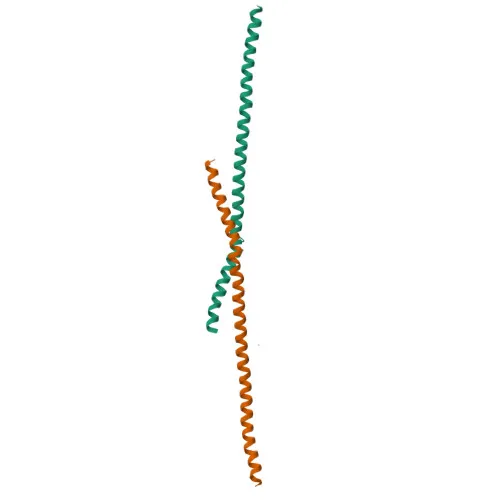
- Contains coiled-coil domains and transmembrane helices; molecular weight ~77 kDa (calculated 77,423 Da).
Experimental Guidance and Technical Tips
- The immunogen corresponds to the C-terminal cytoplasmic domain (aa 451–685), making this antibody suitable for detecting both endogenous and overexpressed STIM1.
- For Western blot, a band near 77 kDa is expected; validate detection in your sample system, as isoform-specific patterns may occur.
- For immunohistochemistry (IHC-P), consider antigen retrieval protocols to unmask epitopes in formalin-fixed paraffin-embedded tissues.
- For immunoprecipitation (IP), optimize antibody concentration and incubation conditions for efficient capture of STIM1 complexes.
- For ELISA, the antibody can be used as a capture or detection reagent; confirm linearity and sensitivity with recombinant protein standards.
- As a polyclonal antibody, performance may vary between production batches; include appropriate controls in each experiment.
CamelBio: Your One-Stop Sourcing Bridge
CamelBio offers a comprehensive portfolio of IVD raw materials, including this anti-STIM1 polyclonal antibody, to diagnostic manufacturers and researchers. With validated antibody pairs, optimized monoclonal/polyclonal antibodies, and bulk ancillary reagents, we streamline your procurement from discovery to clinical application. Contact us for rare target sourcing and tailored support in calcium signaling research.
Product Datasheet
Anti-STIM1 Rabbit Polyclonal Antibody for WB, IHC-P, IP, ELISA - Q13586
REQUEST A QUOTE
Our professional team will reply to you within one business day. Please feel free to contact us!