Polyclonal Antibodies
Anti-Staufen Polyclonal Antibody for WB, IHC-P, ELISA - O95793
Item Number : CM0026519
Price varies based on specs and customizations
- Application
- WB, IHC-P, ELISA
- Cross Reactivity
- Human, Mouse, Rat
- Protein Weight
- 63kDa

Shipping:
Contact us to get shipping details Enjoy On-time Dispatch Guarantee.
Why Choose Us
Easy ordering process, quality products, and dedicated support for your business success.
Core Product Specifications and Parameters
| Parameter | Value |
|---|---|
| Product Name | Staufen Rabbit pAb |
| Remarks/Alias | STAU; PPP1R150; Staufen |
| Species | Human |
| GeneID (Human) | 6780 |
| GeneID | 6780 |
| Immunogen | Recombinant protein|Recombinant fusion protein containing a sequence corresponding to amino acids 426-577 of human Staufen (NP_059347.2). |
| Source | Rabbit |
| Category | Polyclonal Antibodies |
| Application | WB, IHC-P, ELISA |
| Cross Reactivity | Human, Mouse, Rat |
| SWISS | O95793 |
| Protein Weight | 63kDa |
| Shipping | Ice bag |
Biological Background: Staufen Function and Localization
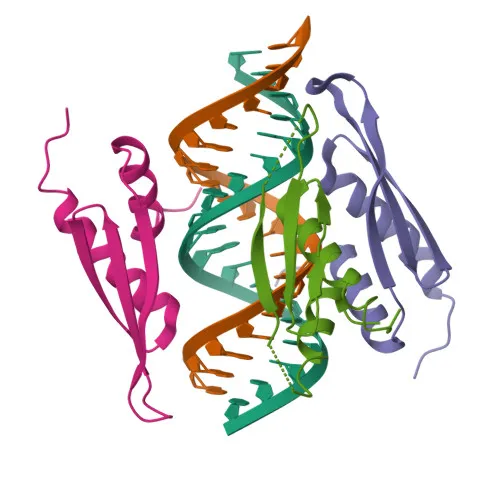
- Double-stranded RNA-binding protein Staufen homolog 1 (STAU1), also known as STAU or PPP1R150, belongs to the double-stranded RNA-binding protein family and undergoes alternative splicing to generate multiple isoforms.
- Core function involves binding double-stranded RNA in a sequence-independent manner and interacting with tubulin, thus cross-linking cytoskeletal and RNA components to facilitate mRNA localization and stimulate translation at specific cellular sites.
- In host-pathogen interactions, STAU1 is hijacked by various viruses including HIV-1, HERV-K, Ebola virus, and influenza virus; it interacts with viral proteins to promote virus particle production and budding.
- Subcellularly, STAU1 localizes predominantly to the cytoplasm and rough endoplasmic reticulum, enabling its role in co-translational mRNA targeting and localized protein synthesis.
- Widely expressed across human tissues, with presence in brain, pancreas, heart, skeletal muscle, liver, lung, kidney, and placenta, reflecting its broad significance in post-transcriptional gene regulation.
- Post-translational modifications such as acetylation, methylation, and phosphorylation are documented, potentially regulating its activity, localization, or stability.
Experimental Guidance and Technical Tips
- The immunogen spans residues 426–577 near the C-terminus; this region is likely conserved across isoforms, supporting broad isoform detection. Validate specificity using siRNA knockdown or isoform-specific controls.
- In western blotting, expect a band at ~63 kDa corresponding to the full-length protein; additional bands may appear due to alternative splicing or post-translational modifications. Use appropriate molecular weight markers and loading controls.
- For immunohistochemistry, antigen retrieval may be required depending on the tissue fixation method. Include negative control (no primary antibody) and confirm staining patterns in known positive tissues such as brain or pancreas.
- In ELISA, use the recombinant immunogen as a positive control and optimize coating and blocking conditions to minimize background. This antibody may be suitable for sandwich ELISA when paired with another Staufen-specific antibody.
CamelBio: Your One-Stop Sourcing Bridge
CamelBio is your one-stop sourcing partner for IVD raw materials, providing integrated support from concept to clinic. This Staufen antibody serves gene expression and virology research; we supply matched antibody pairs, bulk reagents, and custom sourcing for rare targets to streamline your development pipeline.
REQUEST A QUOTE
Our professional team will reply to you within one business day. Please feel free to contact us!