Polyclonal Antibodies
Anti-STAT6 Rabbit Polyclonal Antibody for WB, ELISA - P42226
Item Number : CM0019350
Price varies based on specs and customizations
- Application
- WB, ELISA
- Cross Reactivity
- Human
- Protein Weight
- 74kDa/81kDa/94kDa

Shipping:
Contact us to get shipping details Enjoy On-time Dispatch Guarantee.
Why Choose Us
Easy ordering process, quality products, and dedicated support for your business success.
Core Product Specifications and Parameters
| Parameter | Value |
|---|---|
| Product Name | STAT6 Rabbit pAb |
| Remarks/Alias | STAT6; D12S1644; IL-4-STAT; STAT6B; STAT6C; signal transducer and activator of transcription 6 |
| Species | Human |
| Gene ID (Human) | 6778 |
| Gene ID | 6778 |
| Immunogen | Synthetic Peptide|A synthetic peptide corresponding to a sequence within amino acids 748-847 of human STAT6(NP_003144.3). |
| Source | Rabbit |
| Category | Polyclonal Antibodies |
| Application | WB, ELISA |
| Cross Reactivity | Human |
| SWISS | P42226 |
| Protein Weight | 74kDa/81kDa/94kDa |
| Shipping | Ice bag |
Biological Background: STAT6 Function and Localization
- STAT6 (signal transducer and activator of transcription 6) is a member of the STAT protein family and functions as a dual signal transducer and transcription activator, primarily mediating IL-4 and IL-3 signaling pathways.
- Upon cytokine stimulation, STAT6 is phosphorylated, dimerizes, and translocates to the nucleus to regulate gene expression involved in immune responses, cell growth, and differentiation.
- Alternative splicing generates multiple isoforms, with predicted molecular weights around 74, 81, and 94 kDa, which may exhibit distinct functional properties.
- STAT6 localizes predominantly in the cytoplasm in unstimulated cells and shuttles to the nucleus upon activation.
- Post-translational modifications, including phosphorylation, acetylation, and ADP-ribosylation, modulate STAT6 activity, DNA binding, and transcriptional regulation.
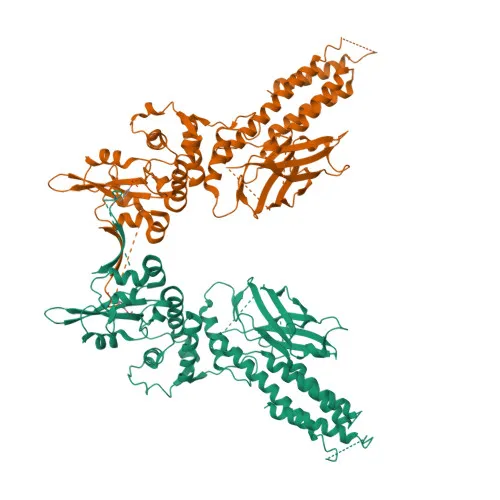
- The protein contains an SH2 domain critical for receptor binding and dimerization, and a DNA-binding domain for target gene promoter recognition.
- Mutations and dysregulation of STAT6 are linked to allergic diseases, asthma, and certain cancers, highlighting its role in disease pathogenesis.
- Keywords: 3D-structure, Acetylation, Activator, ADP-ribosylation, Alternative splicing, Cytoplasm, Disease variant, DNA-binding, Nucleus, Phosphoprotein, Proteomics identification, Reference proteome, SH2 domain, Transcription, Transcription regulation.
Experimental Guidance and Technical Tips
- The immunogen is a synthetic peptide from the C-terminal region (amino acids 748-847), which is expected to be specific to human STAT6; cross-reactivity with other species or STAT family members should be validated experimentally.
- For Western blot, consider optimizing antibody dilution and use appropriate negative and positive controls (e.g., IL-4 stimulated vs. unstimulated cell lysates) to confirm specificity.
- In ELISA applications, a standard indirect ELISA protocol can be employed; include reagent blanks and sample replicates to ensure reproducibility.
- Due to multiple isoforms, multiple bands may be observed on WB; verify band sizes against predicted molecular weights (74, 81, 94 kDa) and consult relevant literature for expected patterns.
CamelBio: Your One-Stop Sourcing Bridge
CamelBio is your comprehensive partner for IVD raw material sourcing, providing a single access point from concept to clinic. Our portfolio includes validated antibody pairs, optimized monoclonal and polyclonal antibodies, bulk ancillary reagents, and rare target sourcing to support your diagnostic and research needs in cytokine signaling and transcription regulation. Rely on CamelBio for consistent quality and reliable supply to accelerate your immunoassay development.
REQUEST A QUOTE
Our professional team will reply to you within one business day. Please feel free to contact us!