Polyclonal Antibodies
Anti-STARD3 (MLN64, CAB1) Rabbit Polyclonal Antibody for WB, ELISA - Q14849
Item Number : CM0025674
Price varies based on specs and customizations
- Application
- WB, ELISA
- Cross Reactivity
- Human, Mouse, Rat
- Protein Weight
- 51kDa

Shipping:
Contact us to get shipping details Enjoy On-time Dispatch Guarantee.
Why Choose Us
Easy ordering process, quality products, and dedicated support for your business success.
Core Product Specifications and Parameters
| Parameter | Value |
|---|---|
| Product Name | STARD3 Rabbit pAb |
| Remarks/Alias | CAB1; es64; MLN64; STARD3 |
| Species | Human |
| Gene ID (Human) | 10948 |
| Gene ID | 10948 |
| Immunogen | Recombinant fusion protein containing a sequence corresponding to amino acids 170-445 of human STARD3 (NP_006795.3) |
| Source | Rabbit |
| Category | Polyclonal Antibodies |
| Application | WB, ELISA |
| Cross Reactivity | Human, Mouse, Rat |
| SWISS | Q14849 |
| Protein Weight | 51kDa |
| Shipping | Ice bag |
Biological Background: STARD3 Function and Localization
-
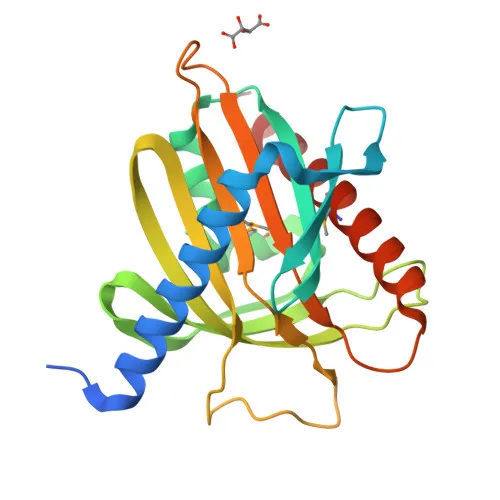
STARD3 (also known as MLN64, CAB1) is a sterol-binding protein that mediates cholesterol transport from the endoplasmic reticulum to late endosomes. Related references: PMID:11053434, PMID:15930133, PMID:22514632
-
The transport activity is triggered by phosphorylation of the FFAT motif, which promotes interaction with VAPA and VAPB at ER–endosome membrane contact sites. Related references: PMID:24105263, PMID:28377464, PMID:33124732
-
STARD3 acts as a lipid transfer protein that redirects sterols to endosomal membranes, favoring internal membrane formation, without activating transcriptional cholesterol sensing. Related references: PMID:28377464
-
Although some studies suggest additional roles at mitochondria or the plasma membrane, its primary function is likely ER-to-endosome cholesterol transport. Related references: PMID:12070139, PMID:19965586, PMID:28377464
-
The protein localizes specifically to late endosome membranes and belongs to the START domain-containing lipid transfer protein family.
-
It contains a transmembrane helix and undergoes phosphorylation; alternative splicing generates multiple isoforms.
-
STARD3 is expressed in the retina and can bind lutein, a xanthophyll carotenoid of the macular pigment. Related references: PMID:21322544
Experimental Guidance and Technical Tips
- For Western blot, consider loading 20–30 µg of cell or tissue lysate per lane; the expected band is at approximately 51 kDa. Post-translational modifications or isoforms may produce additional bands.
- Validate antibody specificity using positive and negative controls, such as cells with known STARD3 expression or siRNA knockdown.
- For ELISA, optimize antigen coating concentrations and antibody dilutions; note that the immunogen (amino acids 170–445) may influence detection of certain isoforms or fragments.
- As a polyclonal antibody, lot-to-lot variability is possible; include reference standards in each assay.
CamelBio: Your One-Stop Sourcing Bridge
CamelBio provides comprehensive access to IVD raw materials, technical services, and consulting—supporting every stage from concept to clinic. This STARD3 antibody aids research in cholesterol transport, endosome biology, and retinal disease. We offer validated antibody pairs, bulk ancillary reagents, and rare-target raw-material sourcing to accelerate your diagnostic development.
Product Datasheet
Anti-STARD3 (MLN64, CAB1) Rabbit Polyclonal Antibody for WB, ELISA - Q14849
REQUEST A QUOTE
Our professional team will reply to you within one business day. Please feel free to contact us!