Polyclonal Antibodies
Anti-StAR Rabbit Polyclonal Antibody for WB, IP, ELISA - P49675
Item Number : CM0013324
Price varies based on specs and customizations
- Application
- WB, IP, ELISA
- Cross Reactivity
- Human, Mouse
- Protein Weight
- 32kDa

Shipping:
Contact us to get shipping details Enjoy On-time Dispatch Guarantee.
Why Choose Us
Easy ordering process, quality products, and dedicated support for your business success.
Core Product Specifications and Parameters
| Parameter | Value |
|---|---|
| Product Name | StAR Rabbit pAb |
| Remarks/Alias | STARD1; StAR |
| Species | Human |
| Gene ID (Human) | 6770 |
| Gene ID | 6770 |
| Immunogen | Recombinant fusion protein containing a sequence corresponding to amino acids 64-285 of human StAR (NP_000340.2) |
| Source | Rabbit |
| Category | Polyclonal Antibodies |
| Application | WB, IP, ELISA |
| Cross Reactivity | Human, Mouse |
| SWISS | P49675 |
| Protein Weight | 32kDa |
| Shipping | Ice bag |
Biological Background: StAR Function and Localization
- StAR (Steroidogenic Acute Regulatory protein), also known as STARD1, is a mitochondrial protein crucial for steroid hormone biosynthesis.
- Its primary function is to mediate the transfer of cholesterol from the outer to the inner mitochondrial membrane, the rate-limiting step in steroidogenesis, leading to pregnenolone production.
- Subcellular localization is predominantly at the mitochondrion outer membrane and matrix, facilitating substrate access.
- Tissue expression is high in steroidogenic tissues: gonads (testes, ovaries), adrenal cortex, and kidney.
- StAR is a phosphoprotein, and phosphorylation at specific residues may regulate its activity and mitochondrial import.
- Mutations in the STAR gene cause congenital adrenal hyperplasia, underscoring its essential role in adrenal and gonadal steroidogenesis.
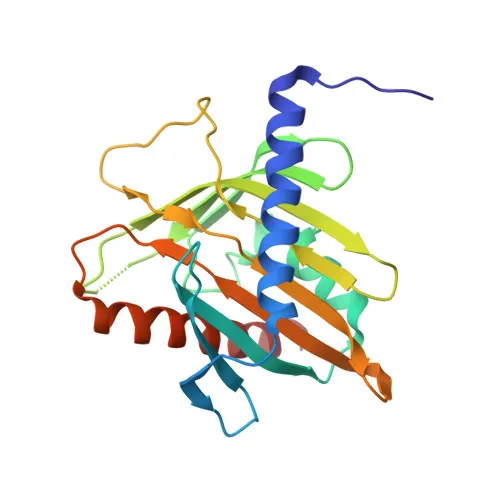
- The protein contains a START domain, which binds lipids and cholesterol, mediating transport.
Experimental Guidance and Technical Tips
- The immunogen (amino acids 64-285) covers most of the START domain; thus, the antibody may recognize both full-length StAR and possibly a processed form. Validate specificity in your model system.
- For Western blot (WB), expect a band around 32 kDa. As a polyclonal antibody, minor additional bands may appear; use appropriate positive controls (e.g., mouse testis or adrenal tissue lysates). Optimize blocking and antibody dilution.
- For immunoprecipitation (IP), pre-clear lysates and use a standard rabbit IgG control to reduce non-specific binding.
- For ELISA, assess direct or capture format depending on your assay design; consider testing against recombinant StAR or peptide to confirm reactivity.
- Cross-reactivity is reported for human and mouse; for other species, check sequence alignment of the immunogen region, as the antibody may cross-react with conserved domains.
- Store and handle according to the shipping condition (ice bag); avoid repeated freeze-thaw cycles.
CamelBio: Your One-Stop Sourcing Bridge
CamelBio partners with diagnostic manufacturers and research labs to provide validated IVD raw materials including this anti-StAR polyclonal antibody, tailored for steroidogenesis studies. We offer bulk quantities, ancillary reagents (detection antibodies, antigens), and technical consulting to streamline your assay development. Contact us for a complete sourcing solution from concept to clinic.
REQUEST A QUOTE
Our professional team will reply to you within one business day. Please feel free to contact us!