Polyclonal Antibodies
Anti-SSTR2 Polyclonal Antibody for WB, IF/ICC, ELISA - P30874
Item Number : CM0024433
Price varies based on specs and customizations
- Application
- WB, IF/ICC, ELISA
- Cross Reactivity
- Human, Mouse, Rat
- Protein Weight
- 41kDa

Shipping:
Contact us to get shipping details Enjoy On-time Dispatch Guarantee.
Why Choose Us
Easy ordering process, quality products, and dedicated support for your business success.
Core Product Specifications and Parameters
| Parameter | Value |
|---|---|
| Product Name | Somatostatin Receptor 2 (SSTR2) Rabbit pAb |
| Remarks/Alias | SST2; Somatostatin Receptor 2 (SSTR2) |
| Species | Human |
| GeneID (human) | 6752 |
| GeneID | 6752 |
| Immunogen | Synthetic Peptide: A synthetic peptide corresponding to a sequence within amino acids 270-369 of human Somatostatin Receptor 2 (SSTR2) (NP_001041.1). |
| Source | Rabbit |
| Category | Polyclonal Antibodies |
| Application | WB, IF/ICC, ELISA |
| Cross Reactivity | Human, Mouse, Rat |
| SWISS | P30874 |
| Protein Weight | 41kDa |
| Shipping | Ice bag |
Biological Background: SSTR2 Function and Localization
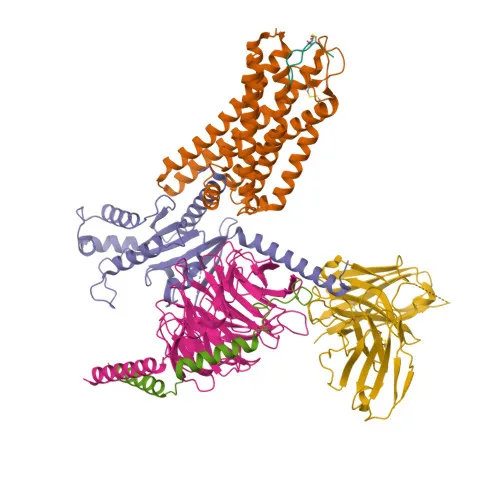
- SSTR2 is a G protein-coupled receptor that binds somatostatin-14 and somatostatin-28, mediating inhibitory effects on adenylyl cyclase, calcium channels, and hormone secretion.
- It serves as the dominant somatostatin receptor in pancreatic alpha- and beta-cells, regulating glucagon and insulin release.
- SSTR2 activates phosphotyrosine phosphatase and PLC pathways via pertussis toxin-sensitive and -insensitive G proteins.
- The receptor inhibits cell proliferation by enhancing MAPK1/2 phosphorylation and upregulating CDKN1B (p27Kip1).
- In the nervous system, SSTR2 stimulates neuronal migration and axon outgrowth, contributing to brain development.
- Subcellularly, SSTR2 is localized to the cell membrane and cytoplasm, and undergoes post-translational modifications including glycosylation, palmitoylation, and phosphorylation.
- Tissue expression is highest in the pancreas, with additional presence in the cerebrum, kidney, and developing cortex/cerebellum.
- The protein also negatively regulates insulin receptor signaling via PTPN6 and can inactivate SSTR3 through heterodimerization.
Experimental Guidance and Technical Tips
- The immunogen corresponds to a C-terminal cytoplasmic region (amino acids 270-369); consider permeabilization for intracellular detection in immunofluorescence.
- For Western blot, expect a band near 41 kDa; validate with appropriate positive controls, as expression may be low in some tissues.
- Cross-reactivity with mouse and rat is reported; confirm specificity in your experimental system, especially if using rodent models.
- Due to GPCR modifications, treatment with PNGase F may resolve glycosylation-dependent band shifts.
CamelBio: Your One-Stop Sourcing Bridge
CamelBio offers a comprehensive portfolio of IVD raw materials, including validated antibody pairs and optimized polyclonal antibodies, to support somatostatin receptor research and diagnostic development. From bulk ancillary reagents to rare target sourcing, our streamlined supply chain bridges the gap from concept to clinic, empowering researchers and manufacturers with reliable, high-quality materials.
REQUEST A QUOTE
Our professional team will reply to you within one business day. Please feel free to contact us!