Polyclonal Antibodies
Anti-SRRT Rabbit Polyclonal Antibody for IHC-P, ELISA - Q9BXP5
Item Number : CM0028749
Price varies based on specs and customizations
- Application
- IHC-P, ELISA
- Cross Reactivity
- Human, Mouse, Rat
- Protein Weight
- 101kDa

Shipping:
Contact us to get shipping details Enjoy On-time Dispatch Guarantee.
Why Choose Us
Easy ordering process, quality products, and dedicated support for your business success.
Core Product Specifications and Parameters
| Parameter | Value |
|---|---|
| Product Name | SRRT Rabbit pAb |
| Remarks/Alias | ARS2, ASR2, serrate, SRRT |
| Species | Human |
| GeneID (Human) | 51593 |
| GeneID | 51593 |
| Immunogen | Recombinant fusion protein containing a sequence corresponding to amino acids 623-872 of human SRRT (NP_001122325.1) |
| Source | Rabbit |
| Category | Polyclonal Antibodies |
| Application | IHC-P, ELISA |
| Cross Reactivity | Human, Mouse, Rat |
| SWISS | Q9BXP5 |
| Protein Weight | 101kDa |
| Shipping | Ice bag |
Biological Background: SRRT Function and Localization
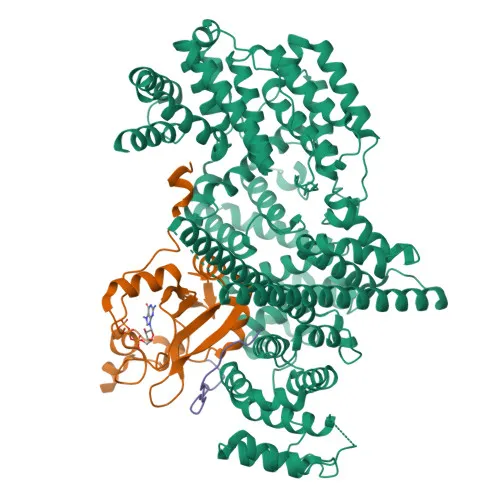
- SRRT (Serrate RNA effector molecule homolog), also known as ARS2 (arsenite-resistance protein 2), is encoded by the SRRT gene in humans. It is a ubiquitously expressed protein with a molecular weight of approximately 101 kDa.
- Acts as a mediator between the cap-binding complex (CBC) and the primary microRNA (miRNA) processing machinery, contributing to the stability and delivery of capped primary miRNA transcripts for processing by DGCR8 and DROSHA, thereby playing a role in RNA-mediated gene silencing.
- Involved in cell cycle progression at S phase and modulates arsenic sensitivity, although it does not directly confer arsenite resistance.
- Independently of its miRNA activity, SRRT is necessary and sufficient to promote neural stem cell self-renewal by directly binding the SOX2 promoter and positively regulating its transcription (By similarity).
- Subcellular localization is primarily in the nucleus (nucleoplasm) and cytoplasm.
- Post-translational modifications include acetylation, methylation, phosphorylation, and ubiquitination (isopeptide bond), as indicated by keyword annotations. Additional keywords: activator, alternative splicing, transcription regulation.
Experimental Guidance and Technical Tips
- The immunogen corresponds to the C-terminal region (aa 623-872) of human SRRT, ensuring specific recognition of the full-length protein and potential isoforms.
- For IHC-P, consider using formalin-fixed paraffin-embedded sections with heat-induced antigen retrieval in citrate buffer (pH 6.0) or EDTA buffer (pH 9.0) for optimal epitope exposure.
- In ELISA applications, this polyclonal antibody can be used for both capture and detection, but pairwise testing with monoclonal antibodies is recommended for sandwich ELISA format.
- Validate the antibody’s performance in the relevant sample system, as cross-reactivity has been confirmed for human, mouse, and rat; however, tissue-specific expression patterns may require optimization of concentration.
CamelBio: Your One-Stop Sourcing Bridge
CamelBio provides diagnostic manufacturers, labs, and research institutes with one-stop access to IVD raw materials, technical services, and consulting. For miRNA processing and transcription regulation research, we supply validated antibody pairs, optimized monoclonal/polyclonal antibodies like this anti-SRRT pAb, and bulk ancillary reagents. Whether you need rare target raw-material sourcing or comprehensive support from concept to clinic, CamelBio bridges the gap with reliable supply solutions.
REQUEST A QUOTE
Our professional team will reply to you within one business day. Please feel free to contact us!