Polyclonal Antibodies
Anti-SRRM1 Polyclonal Antibody for WB, IHC-P, ELISA - Q8IYB3
Item Number : CM0029939
Price varies based on specs and customizations
- Application
- WB, IHC-P, ELISA
- Cross Reactivity
- Human, Mouse
- Protein Weight
- 102kDa

Shipping:
Contact us to get shipping details Enjoy On-time Dispatch Guarantee.
Why Choose Us
Easy ordering process, quality products, and dedicated support for your business success.
Core Product Specifications and Parameters
| Parameter | Value |
|---|---|
| Product Name | SRRM1 Rabbit pAb |
| Remarks/Alias | 160-KD; POP101; SRM160; SRRM1 |
| Species | Human |
| GeneID (human) | 10250 |
| GeneID | 10250 |
| Immunogen | Recombinant fusion protein containing a sequence corresponding to amino acids 1-160 of human SRRM1 (NP_005830.2) |
| Source | Rabbit |
| Category | Polyclonal Antibodies |
| Application | WB, IHC-P, ELISA |
| Cross Reactivity | Human, Mouse |
| SWISS | Q8IYB3 |
| Protein Weight | 102kDa |
| Shipping | Ice bag |
Biological Background: SRRM1 Function and Localization
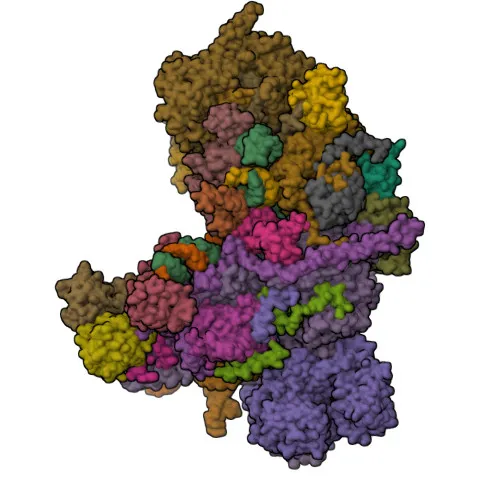
- SRRM1 (Serine/arginine repetitive matrix protein 1) is a core component of pre- and post-splicing multiprotein mRNP complexes, playing a central role in mRNA processing and maturation.
- Acts as a constituent of the minor spliceosome, contributing to the splicing of U12-type introns in pre-mRNAs (probable).
- Promotes both constitutive and exonic splicing enhancer (ESE)-dependent splicing activation by bridging sequence-specific SR family factors (SFRS4, SFRS5, TRA2B/SFRS10) with basal snRNP components (SNRP70 and SNRPA1).
- Stimulates mRNA 3'-end cleavage independently of exon junction complex formation, highlighting a separate function in mRNA terminal processing.
- Binds pre-mRNA and spliced mRNA approximately 20–25 nucleotides upstream of exon-exon junctions, and exhibits low sequence-specificity for both RNA and DNA in either double- or single-stranded form.
- Localizes predominantly to the nucleus, especially within the nuclear matrix and nuclear speckles, consistent with its role in splicing and mRNP assembly.
- Undergoes multiple post-translational modifications, including acetylation, citrullination, phosphorylation, and ubiquitination, which may regulate its activity in RNA processing.
- Also designated by alternative identifiers such as 160-KD, POP101, SRM160, and SRRM1, reflecting its molecular weight and involvement in pre-mRNA processing complexes.
Experimental Guidance and Technical Tips
- The immunogen encompasses the N-terminal region (amino acids 1–160) of human SRRM1; the antibody may recognize epitopes within this domain. Validate reactivity in your target species before critical assays.
- For Western blotting, the predicted molecular weight is approximately 102 kDa. Use appropriate loading controls and consider nuclear-enriched lysates to enhance detection.
- In IHC-P, standard antigen retrieval methods are recommended. Nuclear staining in tissue sections should be expected, but intensity may vary with fixation and tissue type.
- For ELISA, the antibody can be used as a capture or detection reagent; check linearity and sensitivity under your assay conditions.
- As a polyclonal antibody, lot-to-lot consistency should be verified. Consider aliquoting upon receipt to minimize freeze-thaw cycles.
CamelBio: Your One-Stop Sourcing Bridge
CamelBio serves as a comprehensive sourcing partner for IVD raw materials, offering validated antibody pairs, optimized polyclonal and monoclonal antibodies, bulk ancillary reagents, and bespoke sourcing for rare targets. For RNA processing and spliceosome research, we provide a reliable supply of anti-SRRM1 antibodies and associated reagents to support diagnostic development and academic inquiry. Let us streamline your procurement from lead selection to late-stage validation.
REQUEST A QUOTE
Our professional team will reply to you within one business day. Please feel free to contact us!