Polyclonal Antibodies
Anti-SR-B2/LIMPII Polyclonal Antibody for WB, IF/ICC, ELISA - Q14108
Item Number : CM0016245
Price varies based on specs and customizations
- Application
- WB, IF/ICC, ELISA
- Cross Reactivity
- Human, Mouse, Rat
- Protein Weight
- 54kDa

Shipping:
Contact us to get shipping details Enjoy On-time Dispatch Guarantee.
Why Choose Us
Easy ordering process, quality products, and dedicated support for your business success.
Core Product Specifications and Parameters
| Parameter | Value |
|---|---|
| Product Name | SR-B2/LIMPII Rabbit pAb |
| Remarks/Alias | AMRF, EPM4, LGP85, CD36L2, HLGP85, LIMP-2, LIMPII, SR-BII, SR-B2/LIMPII |
| Species | Human |
| GeneID (Human) | 950 |
| GeneID | 950 |
| Immunogen | Recombinant fusion protein containing a sequence corresponding to amino acids 200-380 of human SR-B2/LIMPII (NP_005497.1). |
| Source | Rabbit |
| Category | Polyclonal Antibodies |
| Application | WB, IF/ICC, ELISA |
| Cross Reactivity | Human, Mouse, Rat |
| SWISS | Q14108 |
| Protein Weight | 54kDa |
| Shipping | Ice bag |
Biological Background: SR-B2/LIMPII Function and Localization
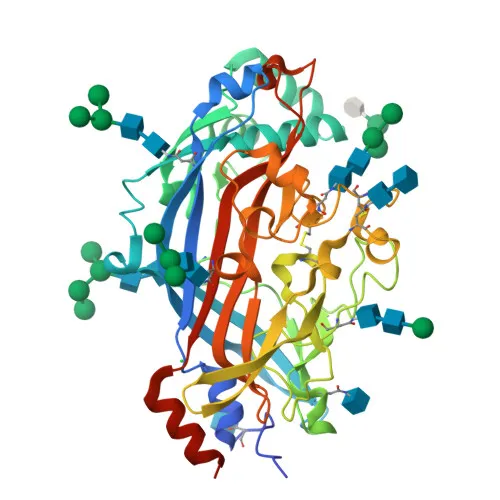
- SR-B2/LIMPII (also known as lysosome membrane protein 2, LGP85, CD36L2) is a multi-ligand receptor of the CD36 family, primarily localized to the lysosomal membrane.
- It acts as the main lysosomal receptor for glucosylceramidase (GBA1), mediating its transport from the endoplasmic reticulum to lysosomes.
- Proper GBA1 targeting is critical for glycosphingolipid degradation; SCARB2 mutations cause action myoclonus-renal failure syndrome and can affect glucocerebrosidase activity, linking it to Gaucher disease and neurodegeneration.
- As a host cell receptor, SR-B2/LIMPII facilitates cellular entry of enterovirus 71, contributing to viral pathogenesis.
- The protein spans the lysosomal membrane with a large luminal domain and a short cytoplasmic tail; the luminal domain interacts with GBA1 and viruses.
- Post-translational modifications include N-linked glycosylation and disulfide bond formation, which are essential for folding and function.
- Alternative splicing generates multiple isoforms, potentially diversifying its functions in different tissues.
Experimental Guidance and Technical Tips
- The immunogen corresponds to amino acids 200-380 within the luminal domain, so the antibody may detect both fully processed and unglycosylated forms of the protein.
- For Western blot, consider standard denaturing conditions and validate in human, mouse, or rat lysates based on reported cross-reactivity; the predicted band is around 54 kDa, but glycosylation may shift migration.
- In immunofluorescence/immunocytochemistry, permeabilization is required to access the intralysosomal epitope; including lysosomal markers as co-stains is advised.
- For ELISA, test direct coating of recombinant protein or capture antibody formats; optimize concentrations with the relevant sample matrix.
CamelBio: Your One-Stop Sourcing Bridge
CamelBio serves as a one-stop procurement partner for IVD raw materials, offering a comprehensive portfolio of antibodies and reagents. This anti-SR-B2/LIMPII antibody supports investigations into lysosomal biology and viral entry mechanisms. We provide validated antibody pairs, optimized bulk polyclonal/monoclonal antibodies, and ancillary reagents to streamline diagnostic development. Our sourcing expertise extends to rare targets and custom formulations, helping you bridge the gap from concept to clinic efficiently.
REQUEST A QUOTE
Our professional team will reply to you within one business day. Please feel free to contact us!