Polyclonal Antibodies
Anti-SQSTM1 Rabbit Polyclonal Antibody for WB, ELISA - Q64337
Item Number : CM0022823
Price varies based on specs and customizations
- Application
- WB, ELISA
- Cross Reactivity
- Human, Mouse, Rat
- Protein Weight
- 48kDa

Shipping:
Contact us to get shipping details Enjoy On-time Dispatch Guarantee.
Why Choose Us
Easy ordering process, quality products, and dedicated support for your business success.
Core Product Specifications and Parameters
| Parameter | Value |
|---|---|
| Product Name | SQSTM1 Rabbit pAb |
| Remarks/Alias | Osi, p62, A170, STAP, OSF-6, STONE14, SQSTM1 |
| Species | Mouse |
| Gene ID | 18412 (Mouse) |
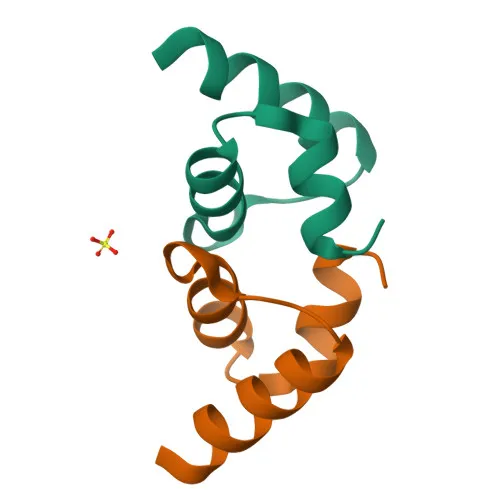
| Immunogen | A synthetic peptide corresponding to a sequence within amino acids 250-350 of mouse SQSTM1 (NP_035148.1). |
| Source | Rabbit |
| Category | Polyclonal Antibody |
| Application | WB, ELISA |
| Cross Reactivity | Human, Mouse, Rat |
| SWISS | Q64337 |
| Protein Weight | 48kDa |
| Shipping | Ice bag |
Biological Background: SQSTM1 Function and Localization
- SQSTM1, also known as sequestosome-1 or p62, is a stress-inducible cytoplasmic adapter protein that serves as a selective autophagy receptor by linking ubiquitinated protein aggregates to the autophagic machinery.
- Autophagic cargo recognition: As a selective autophagy receptor, SQSTM1 bridges ubiquitinated cargo to autophagosomes. It undergoes liquid-liquid phase separation upon binding to ubiquitinated proteins via its UBA domain, forming p62 bodies that are then recruited to autophagosomes through interaction of its LIR motif with ATG8 family proteins, leading to autophagic degradation of the cargo. Related references: PMID:25723488, PMID:33397898
- Cytoprotective signaling: SQSTM1 interacts with KEAP1, sequestering it into inclusion bodies and thereby preventing KEAP1-mediated degradation of NFE2L2/NRF2. This leads to nuclear accumulation of NRF2 and expression of antioxidant and cytoprotective genes. Related references: PMID:20173742, PMID:20421418, PMID:24011591
- NF-kappa-B pathway regulation: SQSTM1 acts as an adapter mediating the interaction between TRAF6 and CYLD, thereby influencing NF-kappa-B activation in response to cytokines such as TNF, NGF, and interleukin-1. Related references: PMID:14960283, PMID:18382763
- Subcellular localization: SQSTM1 localizes to cytoplasmic aggregates (p62 bodies), autophagosomes, late endosomes, lysosomes, and the nucleus (PML bodies). It is also found at the endoplasmic reticulum and myofibril sarcomeres, reflecting its diverse functions in protein quality control and signaling.
- Post-translational modifications and structural features: The protein is subject to acetylation, phosphorylation, ubiquitination, and palmitoylation, and contains zinc-finger domains. These modifications regulate its activity, localization, and stability.
- Tissue distribution: SQSTM1 is widely expressed across tissues, consistent with its fundamental roles in cellular homeostasis and stress responses.
Experimental Guidance and Technical Tips
- The immunogen corresponds to amino acids 250-350 of mouse SQSTM1, a region that may include parts of the PB1 domain and linker sequences. The polyclonal nature of this antibody may recognize multiple epitopes, providing robust signal in western blot (WB).
- For WB, a band near 48 kDa is expected, but due to SQSTM1’s tendency to form aggregates and undergo post-translational modifications, higher molecular weight species may also appear. To minimize aggregation, heat samples in reducing loading buffer before electrophoresis.
- For ELISA, consider using recombinant SQSTM1 protein or the immunizing peptide as a coating antigen. Titration of both antibody and antigen is recommended for optimal signal-to-noise ratio.
- Cross-reactivity with human, mouse, and rat is supported by sequence homology; however, individual validation in the specific sample and application is suggested.
CamelBio: Your One-Stop Sourcing Bridge
CamelBio is a dedicated supplier of IVD raw materials, offering one-stop access to antibodies, antigens, and technical consulting for diagnostic manufacturers and research laboratories. This anti-SQSTM1 polyclonal antibody supports autophagy and cell signaling research, and we can also provide validated antibody pairs, optimized recombinant proteins, and bulk ancillary reagents to accelerate your assay development. Contact us to explore custom formulations or rare target sourcing for your next project.
REQUEST A QUOTE
Our professional team will reply to you within one business day. Please feel free to contact us!