Monoclonal Antibodies
Anti-SQS/FDFT1 Rabbit Monoclonal Antibody for WB, ELISA - P37268
Item Number : CM0010313
Price varies based on specs and customizations
- Application
- WB, ELISA
- Cross Reactivity
- Human, Mouse, Rat
- Protein Weight
- 48kDa

Shipping:
Contact us to get shipping details Enjoy On-time Dispatch Guarantee.
Why Choose Us
Easy ordering process, quality products, and dedicated support for your business success.
Core Product Specifications and Parameters
| Parameter | Value |
|---|---|
| Product Name | SQS/FDFT1 Rabbit mAb |
| Remarks/Alias | SS; SQS; DGPT; ERG9; SQSD; SQS/FDFT1 |
| Species | Human |
| GeneID | 2222 |
| Immunogen | Synthetic peptide corresponding to a sequence within amino acids 150-250 of human SQS/FDFT1 (P37268) |
| Source | Rabbit |
| Category | Monoclonal Antibodies |
| Application | WB, ELISA |
| Cross Reactivity | Human, Mouse, Rat |
| SWISS | P37268 |
| Protein Weight | 48kDa |
| Shipping | Ice bag |
Biological Background: SQS/FDFT1 Function and Localization
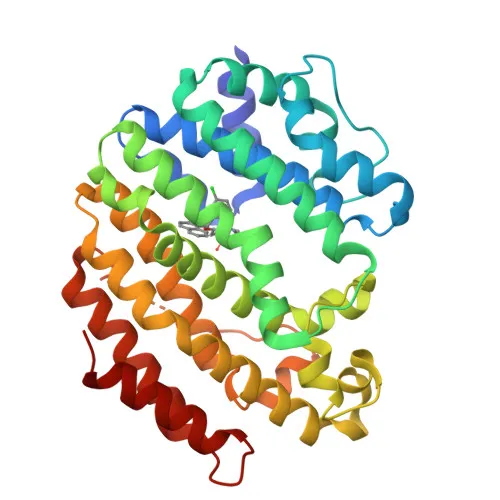
- Squalene synthase (SQS), encoded by the FDFT1 gene, is a dual-function enzyme that catalyzes the first committed step of sterol biosynthesis, producing squalene from two farnesyl pyrophosphate (FPP) molecules.
- The reaction proceeds in two distinct half-reactions: initially forming presqualene diphosphate (PSQPP) from two FPP, then heterolysis, isomerization, and NADPH/NADH-dependent reduction to squalene.
- As the first committed enzyme in the cholesterol biosynthetic pathway, SQS plays a critical role in regulating intracellular cholesterol levels and is a key control point for sterol homeostasis.
- Alternative splicing of FDFT1 produces multiple isoforms; the canonical isoform localizes to the endoplasmic reticulum membrane via a C-terminal transmembrane helix.
- Widely expressed across human tissues, SQS activity is particularly significant in liver, intestine, and steroidogenic organs where high-rate cholesterol synthesis occurs.
- Post-translational modifications and structural features include magnesium-dependent activity, NAD(P) cofactor binding, and a catalytic mechanism involving multiple metal-binding sites.
Experimental Guidance and Technical Tips
- The immunogen corresponds to an internal peptide (aa 150-250) of human SQS/FDFT1, suggesting the antibody may recognize epitopes conserved across species; confirm specificity in the relevant experimental model.
- For Western blotting, the expected molecular weight is approximately 48 kDa; consider using appropriate positive controls (e.g., liver or HeLa cell lysates) and validate band identity with knockdown or knockout samples.
- In ELISA applications, optimizing antibody concentration and blocking conditions is recommended to minimize background; cross-reactivity with mouse and rat SQS can facilitate translational studies but should be verified independently.
- Reducing and non-reducing SDS-PAGE may impact detection; standardize gel conditions and membrane transfer protocols for consistent results.
CamelBio: Your One-Stop Sourcing Bridge
CamelBio equips diagnostic manufacturers and research teams with high-quality IVD raw materials, offering validated antibody pairs, optimized monoclonal antibodies, and bulk ancillary reagents. For cholesterol metabolism and lipid biosynthesis research, we provide reliable anti-SQS/FDFT1 reagents and can assist in sourcing additional targets such as HMGCR or LDLR. With a commitment to streamlined procurement and technical support, CamelBio accelerates your journey from discovery to diagnostic application.
REQUEST A QUOTE
Our professional team will reply to you within one business day. Please feel free to contact us!