Polyclonal Antibodies
Anti-SPTLC1 Polyclonal Antibody for WB, ELISA - O15269
Item Number : CM0028890
Price varies based on specs and customizations
- Application
- WB, ELISA
- Cross Reactivity
- Human, Mouse, Rat
- Protein Weight
- 53kDa

Shipping:
Contact us to get shipping details Enjoy On-time Dispatch Guarantee.
Why Choose Us
Easy ordering process, quality products, and dedicated support for your business success.
Core Product Specifications and Parameters
| Parameter | Value |
|---|---|
| Product Name | SPTLC1 Rabbit pAb |
| Remarks/Alias | HSN1; LBC1; LCB1; SPT1; SPTI; ALS27; HSAN1; SPTLC1 |
| Species | Human |
| GeneID | 10558 |
| Immunogen | Recombinant fusion protein containing a sequence corresponding to amino acids 37-310 of human SPTLC1 (NP_006406.1) |
| Source | Rabbit |
| Category | Polyclonal Antibodies |
| Application | WB, ELISA |
| Cross Reactivity | Human, Mouse, Rat |
| SWISS | O15269 |
| Protein Weight | 53kDa |
| Shipping | Ice bag |
Biological Background: SPTLC1 Function and Localization
- Serine palmitoyltransferase 1 (SPTLC1) is a critical component of the serine palmitoyltransferase (SPT) complex, catalyzing the condensation of L-serine with palmitoyl-CoA—the rate-limiting step in sphingolipid biosynthesis, producing long-chain bases. Related references: PMID:19416851, PMID:33558762, PMID:36170811
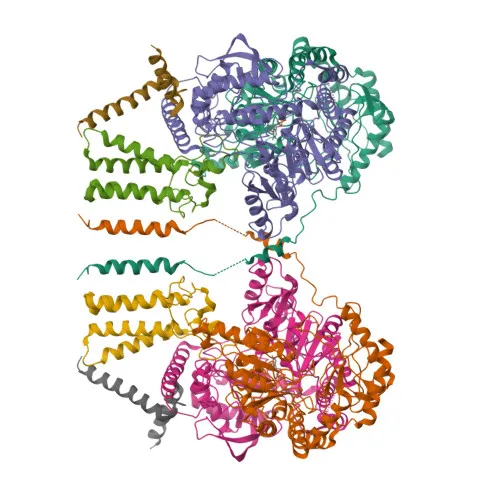
- The SPT complex comprises a heterodimer of SPTLC1 with either SPTLC2 or SPTLC3, plus a small subunit (SPTSSA or SPTSSB). This assembly determines substrate preference: the SPTLC1-SPTLC2-SPTSSA isoform strongly favors C16-CoA, whereas SPTLC1-SPTLC3-SPTSSA can utilize both C14-CoA and C16-CoA. Related references: PMID:19416851, PMID:19648650
- When associated with the SPTSSB subunit, SPTLC1-SPTLC2-SPTSSB preferentially uses C18-CoA, while SPTLC1-SPTLC3-SPTSSB displays broader acyl-CoA specificity without a clear preference. Related references: PMID:19416851, PMID:19648650, PMID:33558761
- SPTLC1 is essential for adipocyte viability and metabolic homeostasis, highlighting its role in lipid metabolism beyond neuronal tissues.
- The enzyme localizes to the endoplasmic reticulum membrane, where sphingolipid synthesis predominantly occurs.
- Tissue distribution is broad (expressed in most human tissues) with the notable exception of the small intestine.
- SPTLC1 activity requires the cofactor pyridoxal phosphate and is regulated by phosphorylation, as indicated by proteomics data.
- Clinically, SPTLC1 mutations are linked to hereditary sensory and autonomic neuropathy type 1 (HSAN1) and amyotrophic lateral sclerosis (ALS), underscoring its importance in neuronal health.
Experimental Guidance and Technical Tips
- The immunogen corresponds to amino acids 37–310 (central region) of human SPTLC1. For Western blot, anticipate a band near 53 kDa. Validate detection in your target species (human, mouse, rat).
- Due to the polyclonal nature, ensure lot-to-lot consistency by including appropriate controls and, if possible, requesting retention samples.
- For ELISA, consider the use of a recombinant SPTLC1 fragment or full-length protein as a capture antigen; optimize coating concentration and blocking conditions empirically.
- SPTLC1 is an integral membrane protein; for best results, use mild non-denaturing lysis buffers and avoid boiling samples excessively prior to SDS-PAGE.
CamelBio: Your One-Stop Sourcing Bridge
CamelBio empowers diagnostic manufacturers and research laboratories with comprehensive access to premium IVD raw materials, from validated antibody pairs to bulk ancillary reagents. Our portfolio includes rare-target reagent sourcing, making SPTLC1-related tools a natural part of our sphingolipid metabolism research support. Whether you need monoclonal or polyclonal antibodies, optimized assay reagents, or technical consultation, CamelBio bridges your concept-to-clinic pipeline efficiently.
REQUEST A QUOTE
Our professional team will reply to you within one business day. Please feel free to contact us!