Polyclonal Antibodies
Anti-SPTBN1 Rabbit Polyclonal Antibody for WB and ELISA - Q01082
Item Number : CM0026569
Price varies based on specs and customizations
- Application
- WB, ELISA
- Cross Reactivity
- Human, Mouse
- Protein Weight
- 275kDa

Shipping:
Contact us to get shipping details Enjoy On-time Dispatch Guarantee.
Why Choose Us
Easy ordering process, quality products, and dedicated support for your business success.
Core Product Specifications and Parameters
| Parameter | Value |
|---|---|
| Product Name | SPTBN1 Rabbit pAb |
| Remarks/Alias | ELF; SPTB2; DDISBA; HEL102; betaSpII; SPTBN1 |
| Species | Human |
| Gene ID (Human) | 6711 |
| Gene ID | 6711 |
| Immunogen | Recombinant fusion protein containing a sequence corresponding to amino acids 2100-2200 of human SPTBN1 (NP_003119.2). |
| Source | Rabbit |
| Category | Polyclonal Antibodies |
| Application | WB, ELISA |
| Cross Reactivity | Human, Mouse |
| SWISS | Q01082 |
| Protein Weight | 275kDa |
| Shipping | Ice bag |
Biological Background: SPTBN1 Function and Localization
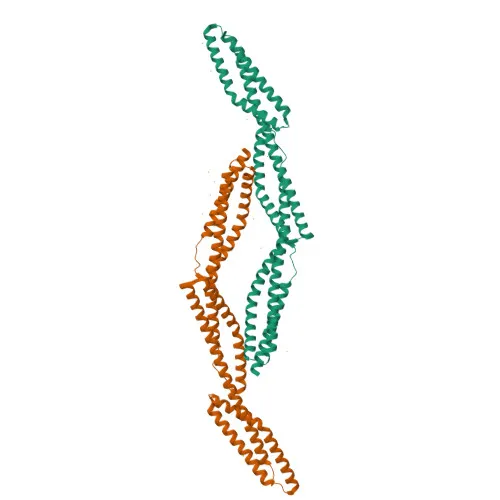
- SPTBN1 encodes spectrin beta chain, non-erythrocytic 1 (beta-II spectrin), also known as fodrin beta chain. Alternative splicing generates multiple isoforms; isoform 2 is detected at the protein level in brain, lung, and kidney.
- Beta-II spectrin is an actin-binding protein that plays a critical role in the calcium-dependent movement of the cytoskeleton at the membrane, likely via interaction with calmodulin.
- It is involved in secretion processes and is essential for proper central nervous system development and function.
- The protein localizes to the cytoplasm, cytoskeleton, cytosol, cell membrane, and specifically to the M line of sarcomeres in myofibrils.
- Post-translational modifications include acetylation, phosphorylation, and glycosylation, as indicated by proteomics data.
- Disease associations include intellectual disability, highlighting its importance in neurological function.
- SPTBN1 is part of the spectrin family, contributing to membrane stability and cell shape.
Experimental Guidance and Technical Tips
- The immunogen corresponds to amino acids 2100-2200 of human SPTBN1 (NP_003119.2). This C-terminal region may target specific isoforms or conserved domains; verify in your system.
- For WB, the expected band is ~275 kDa. Use an appropriate gel percentage (e.g., 6-8% SDS-PAGE) and prolonged transfer conditions to ensure efficient transfer of high molecular weight proteins.
- The antibody cross-reacts with mouse SPTBN1, making it suitable for studies in mouse models. However, validate performance in your specific tissue or cell line.
- ELISA application may be used for quantification or screening; consider optimizing coating antigen and detection conditions.
- As a polyclonal antibody, lot-to-lot variability may occur; include positive and negative controls in each experiment.
CamelBio: Your One-Stop Sourcing Bridge
CamelBio is your trusted partner for IVD raw material sourcing, offering a comprehensive portfolio that includes validated antibodies like this anti-SPTBN1 polyclonal antibody. Whether you need bulk ancillary reagents, optimized antibody pairs, or assistance sourcing rare target raw materials for cytoskeleton and neurological disorder research, our team is equipped to support your project from development to commercialization.
REQUEST A QUOTE
Our professional team will reply to you within one business day. Please feel free to contact us!