Polyclonal Antibodies
Anti-SPR (Sepiapterin Reductase) Polyclonal Antibody for WB, ELISA - P35270
Item Number : CM0017478
Price varies based on specs and customizations
- Application
- WB, ELISA
- Cross Reactivity
- Human, Mouse, Rat
- Protein Weight
- 28kDa

Shipping:
Contact us to get shipping details Enjoy On-time Dispatch Guarantee.
Why Choose Us
Easy ordering process, quality products, and dedicated support for your business success.
Core Product Specifications and Parameters
| Parameter | Value |
|---|---|
| Product Name | SPR Rabbit pAb |
| Remarks/Alias | SDR38C1; SPR |
| Species | Human |
| Gene ID (Human) | 6697 |
| Immunogen | Recombinant fusion protein containing a sequence corresponding to amino acids 1-261 of human SPR (NP_003115.1) |
| Source | Rabbit |
| Category | Polyclonal Antibodies |
| Application | WB, ELISA |
| Cross Reactivity | Human, Mouse, Rat |
| SWISS | P35270 |
| Protein Weight | 28kDa |
| Shipping | Ice bag |
Biological Background: Sepiapterin Reductase (SPR) Function and Localization
- Sepiapterin reductase (SPR), also known as SDR38C1, is an NADP-dependent oxidoreductase involved in the final steps of tetrahydrobiopterin (BH4) biosynthesis.
- It catalyzes the reduction of 6-pyruvoyltetrahydropterin to 5,6,7,8-tetrahydrobiopterin, an essential cofactor for aromatic amino acid hydroxylases and nitric oxide synthases.
- SPR is primarily localized in the cytoplasm, consistent with its role in BH4 production.
- Post-translational modifications include acetylation and phosphorylation; mutations in SPR are associated with dystonia (a disease variant).
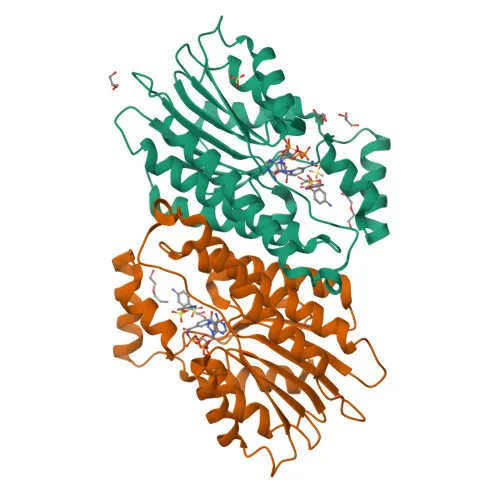
- Keywords from UniProt highlight its involvement in oxidoreductase activity, NADP binding, and relevance to dystonia; a 3D structure is available.
Experimental Guidance and Technical Tips
- The immunogen corresponds to the full-length human SPR protein (amino acids 1-261), so the antibody is expected to recognize endogenous SPR in human, mouse, and rat samples.
- In Western blot (WB), a band around 28 kDa should be detected; consider optimizing antibody dilution and sample preparation for your specific system.
- For ELISA, the polyclonal nature may provide robust signal; however, validate with purified SPR or appropriate cell lysates to establish sensitivity and specificity.
- When using for cross-species detection, confirm sequence homology between the target species to ensure reactivity.
- Store as recommended (shipped on ice bag) and avoid repeated freeze-thaw cycles to maintain antibody integrity.
CamelBio: Your One-Stop Sourcing Bridge
CamelBio provides diagnostic manufacturers, laboratories, and research institutes with one-stop access to a broad portfolio of IVD raw materials, technical services, and consulting. This anti-SPR polyclonal antibody supports research into tetrahydrobiopterin metabolism and dystonia-related pathways. Through our global network, we source validated antibody pairs, optimized monoclonal and polyclonal antibodies, bulk ancillary reagents, and even rare target raw materials—bridging your project from concept to clinic efficiently.
REQUEST A QUOTE
Our professional team will reply to you within one business day. Please feel free to contact us!