Polyclonal Antibodies
Anti-SPARCL1 Rabbit Polyclonal Antibody for WB and ELISA - Q14515
Item Number : CM0021840
Price varies based on specs and customizations
- Application
- WB, ELISA
- Cross Reactivity
- Human, Mouse, Rat
- Protein Weight
- 75kDa

Shipping:
Contact us to get shipping details Enjoy On-time Dispatch Guarantee.
Why Choose Us
Easy ordering process, quality products, and dedicated support for your business success.
Core Product Specifications and Parameters
| Parameter | Value |
|---|---|
| Product Name | SPARCL1 Rabbit pAb |
| Remarks/Alias | SC1; MAST9; PIG33; MAST 9; SPARCL1 |
| Species | Human |
| GeneID (Human) | 8404 |
| GeneID | 8404 |
| Immunogen | Recombinant fusion protein containing a sequence corresponding to amino acids 17-300 of human SPARCL1 (NP_004675.3) |
| Source | Rabbit |
| Category | Polyclonal Antibodies |
| Application | WB, ELISA |
| Cross Reactivity | Human, Mouse, Rat |
| SWISS | Q14515 |
| Protein Weight | 75kDa |
| Shipping | Ice bag |
Biological Background: SPARCL1 Function and Localization
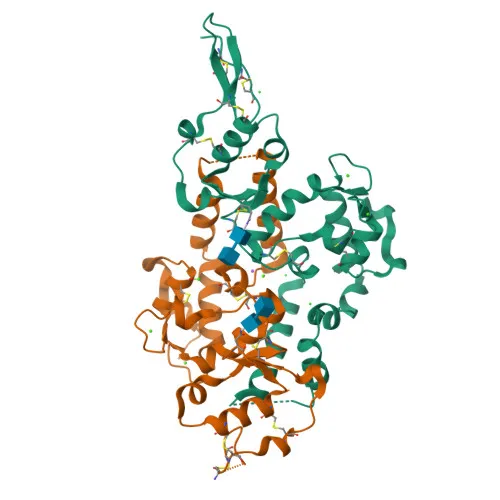
- SPARCL1 (SPARC-like protein 1), also designated Hevin or MAST 9, is a secreted extracellular matrix protein.
- The protein localizes to the extracellular space and extracellular matrix (secreted).
- SPARCL1 undergoes alternative splicing, generating multiple isoforms.
- It contains calcium-binding sites and forms intramolecular disulfide bonds.
- Post-translational modifications include glycosylation and phosphorylation.
- Tissue expression is broad: highly expressed in lymph node, brain, heart, lung, skeletal muscle, ovary, small intestine, and colon; lower in placenta, pancreas, testis, spleen, and thymus; not detected in kidney, liver, and peripheral blood leukocytes.
- The reference isoform has a calculated molecular weight of approximately 75.2 kDa, consistent with the observed 75 kDa band on Western blots.
Experimental Guidance and Technical Tips
- The immunogen encompasses amino acids 17–300 of human SPARCL1; this N-terminal region may confer target specificity; validate reactivity using endogenous protein in tissue or cell lysates.
- For Western blot, expect a band at ~75 kDa in human, mouse, and rat samples; optimize blocking conditions and antibody dilution for best signal-to-noise ratio.
- For ELISA, the antibody may be used to capture or detect SPARCL1 in biological fluids, cell supernatants, or tissue extracts; pairing with a detection antibody can improve sensitivity.
- As a secreted protein, consider using serum-free conditioned media or enriched extracellular matrix preparations to enhance detection.
CamelBio: Your One-Stop Sourcing Bridge
CamelBio is a dedicated IVD raw-material partner, providing diagnostic developers and researchers with validated antibody pairs, bulk ancillary reagents, and custom sourcing for rare targets. For SPARCL1-related projects—such as extracellular matrix remodeling, fibrosis, or tumor microenvironment studies—CamelBio offers ready-to-screen monoclonal and polyclonal antibodies, along with optimized ancillary reagents, to support your assay development from concept to clinic.
REQUEST A QUOTE
Our professional team will reply to you within one business day. Please feel free to contact us!