Polyclonal Antibodies
Anti-SPARC Rabbit Polyclonal Antibody for IHC-P, ELISA - P09486
Item Number : CM0020698
Price varies based on specs and customizations
- Application
- IHC-P, ELISA
- Cross Reactivity
- Human, Mouse, Rat
- Protein Weight
- 35kDa

Shipping:
Contact us to get shipping details Enjoy On-time Dispatch Guarantee.
Why Choose Us
Easy ordering process, quality products, and dedicated support for your business success.
Core Product Specifications and Parameters
| Parameter | Value |
|---|---|
| Product Name | SPARC Rabbit pAb |
| Remarks/Alias | ON; ONT; OI17; BM-40; SPARC |
| Species | Human |
| GeneID (Human) | 6678 |
| GeneID | 6678 |
| Immunogen | Recombinant fusion protein containing a sequence corresponding to amino acids 18-303 of human SPARC (NP_003109.1). |
| Source | Rabbit |
| Category | Polyclonal Antibodies |
| Application | IHC-P, ELISA |
| Cross Reactivity | Human, Mouse, Rat |
| SWISS | P09486 |
| Protein Weight | 35kDa |
| Shipping | Ice bag |
Biological Background: SPARC Function and Localization
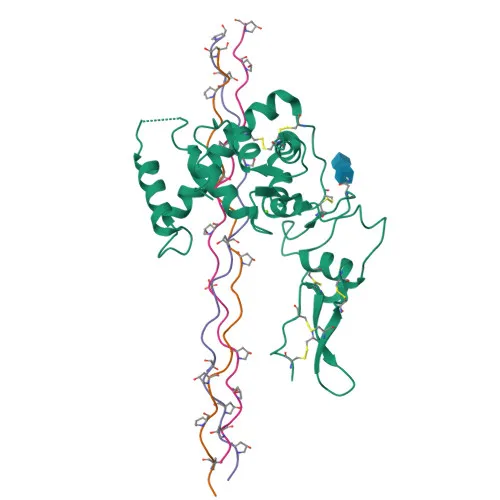
- SPARC (Secreted Protein Acidic and Rich in Cysteine), also known as osteonectin or BM-40, is a matricellular glycoprotein that modulates cell-matrix interactions and regulates cell growth.
- It binds calcium and copper ions, and interacts with various extracellular matrix components including collagens, thrombospondin, and albumin, as well as growth factors like PDGF and cell membranes.
- SPARC contains two calcium-binding domains: a low-affinity acidic domain that binds 5–8 Ca²⁺ ions and a high-affinity EF-hand motif.
- The protein is secreted into the extracellular space and is a component of the basement membrane, consistent with its role in tissue remodeling and repair.
- Key features include multiple disulfide bonds, glycosylation, and its association with osteogenesis imperfecta when mutated.
- SPARC has been identified through direct protein sequencing and proteomics approaches, underscoring its abundance and clinical relevance.
Experimental Guidance and Technical Tips
- The immunogen encompasses the mature SPARC protein (residues 18–303), which covers both calcium-binding domains; consider antigen retrieval and blocking steps for IHC-P to preserve conformation-dependent epitopes.
- For ELISA, immobilize antigen under conditions that maintain disulfide bond integrity, and evaluate cross-reactivity with other matricellular proteins if needed.
- When staining human, mouse, or rat tissues, validate the antibody in the relevant species by including positive and negative controls, as polyclonal antibodies may exhibit lot-to-lot variability.
- Consider testing dilutions ranging from 1:50 to 1:500 for IHC-P and 1:1000 to 1:5000 for ELISA as starting points, optimizing based on detection system and sample type.
CamelBio: Your One-Stop Sourcing Bridge
CamelBio offers diagnostic manufacturers and researchers streamlined access to validated IVD raw materials like this SPARC rabbit polyclonal antibody, along with complementary reagents such as antigen standards and detection systems. As a dedicated B2B partner, we supply bulk quantities of optimized antibodies and can assist in sourcing rare-target raw materials for extracellular matrix and oncology biomarker development. Our integrated supply chain supports your entire workflow from concept to clinical application.
REQUEST A QUOTE
Our professional team will reply to you within one business day. Please feel free to contact us!