Monoclonal Antibodies
Anti-SPAM1 Rabbit Monoclonal Antibody for WB, IHC-P, ELISA - P38567
Item Number : CM0006310
Price varies based on specs and customizations
- Application
- WB, IHC-P, ELISA
- Cross Reactivity
- Rat
- Protein Weight
- 58kDa

Shipping:
Contact us to get shipping details Enjoy On-time Dispatch Guarantee.
Why Choose Us
Easy ordering process, quality products, and dedicated support for your business success.
Core Product Specifications and Parameters
| Parameter | Specification |
|---|---|
| Product Name | SPAM1 Rabbit mAb |
| Remarks/Alias | HYA1; PH20; HYAL1; HYAL3; HYAL5; PH-20; SPAG15; HEL-S-96n; SPAM1 |
| Species | Human |
| Gene ID | 6677 |
| Immunogen | Recombinant fusion protein containing a sequence corresponding to amino acids 61-223 of human SPAM1 (NP_694859.1) |
| Source | Rabbit |
| Category | Monoclonal Antibodies |
| Application | WB, IHC-P, ELISA |
| Cross Reactivity | Rat |
| SWISS | P38567 |
| Protein Weight | 58kDa |
| Shipping | Ice bag |
Biological Background: SPAM1 Function and Localization
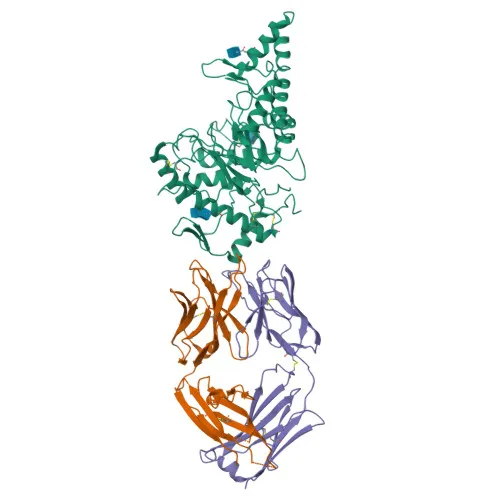
- SPAM1 (sperm adhesion molecule 1), also designated hyaluronidase PH-20, hyaluronoglucosaminidase PH-20, or sperm surface protein PH-20, is a glycosylphosphatidylinositol (GPI)-anchored membrane glycoprotein.
- It functions as a hyaluronidase, enzymatically digesting hyaluronic acid in the cumulus cell matrix surrounding the oocyte, thereby facilitating sperm penetration during fertilization.
- SPAM1 is critical for sperm-egg adhesion, mediating the initial contact between sperm and the cumulus-oocyte complex.
- As a member of the hyaluronidase family, it is classified as a glycosidase (hydrolase) specialized in hyaluronic acid degradation.
- The protein localizes to the sperm cell membrane and is expressed testis-specifically.
- Post‑translational modifications include N‑linked glycosylation, disulfide bond formation, and a GPI‑anchor that tethers it to the membrane.
- Alternative splicing yields multiple isoforms, potentially expanding its functional repertoire.
Experimental Guidance and Technical Tips
- The immunogen corresponds to an internal sequence (aa 61–223) of human SPAM1; therefore, the antibody is expected to recognize full-length SPAM1 and isoforms that include this region.
- For Western blot, consider using human testis lysate or sperm protein extract as a positive control, given the tissue‑specific expression; the predicted molecular weight is ~58 kDa, though glycosylation may cause a shift.
- In immunohistochemistry on paraffin‑embedded sections (IHC‑P), optimize antigen retrieval and validate reactivity in human testis tissue.
- For ELISA applications, utilize recombinant SPAM1 protein or cell lysates expressing the target for coating or detection.
- Cross‑reactivity with rat suggests epitope conservation; confirm suitability for rat samples via sequence alignment and experimental validation.
CamelBio: Your One-Stop Sourcing Bridge
CamelBio offers a comprehensive selection of IVD raw materials, including validated monoclonal antibodies like this anti‑SPAM1 rabbit monoclonal antibody, which supports research in reproductive biology and fertility diagnostics. Procure bulk quantities, ancillary immunoassay reagents, or explore custom sourcing for rare targets through our streamlined supply service.
REQUEST A QUOTE
Our professional team will reply to you within one business day. Please feel free to contact us!