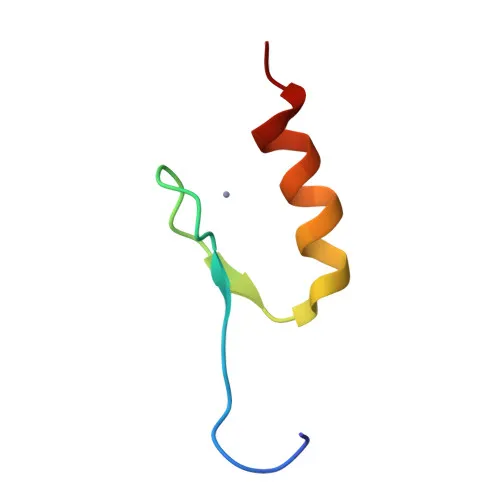
Polyclonal Antibodies
Anti-SP1 Rabbit Polyclonal Antibody for WB, IHC-P, IF/ICC, ELISA - P08047
Item Number : CM0013912
Price varies based on specs and customizations
- Application
- WB, IHC-P, IF/ICC, ELISA
- Cross Reactivity
- Human, Mouse, Rat
- Protein Weight
- 81kDa

Shipping:
Contact us to get shipping details Enjoy On-time Dispatch Guarantee.
Why Choose Us
Easy ordering process, quality products, and dedicated support for your business success.
Core Product Specifications and Parameters
| Parameter | Value |
|---|---|
| Product Name | SP1 Rabbit pAb |
| Remarks/Alias | SP1 |
| Species | Human |
| Gene ID (Human) | 6667 |
| Gene ID | 6667 |
| Immunogen | Recombinant fusion protein containing a sequence corresponding to amino acids 420-620 of human SP1 (NP_612482.2) |
| Source | Rabbit |
| Category | Polyclonal Antibodies |
| Application | WB, IHC-P, IF/ICC, ELISA |
| Cross Reactivity | Human, Mouse, Rat |
| SWISS | P08047 |
| Protein Weight | 81kDa |
| Shipping | Ice bag |
Biological Background: SP1 Function and Localization
- Transcription factor Sp1 is a zinc-finger protein that binds GC-rich promoter motifs to regulate a vast number of genes involved in cell growth, apoptosis, differentiation, and immune responses.
- It functions as both an activator and repressor depending on target gene context and post-translational modifications.
- The protein undergoes extensive post-translational modifications including phosphorylation, sumoylation, glycosylation, and acetylation, which modulate its activity, stability, and interactions.
- SP1 localizes primarily to the nucleus but can also be detected in the cytoplasm.
- It is implicated in chromatin remodeling and DNA damage response, and plays a role in protecting cells against oxidative stress.
- Positively regulates the transcription of the core clock component BMAL1, linking SP1 to circadian rhythm control. Related references: PMID:10391891 PMID:11371615 PMID:11904305
- In complex with ATF7IP, maintains telomerase activity in cancer cells by inducing TERT and TERC expression.
- Isoform 3 is a stronger transcriptional activator and is ubiquitously expressed at low levels, while SP1 is up-regulated in stomach adenocarcinomas.
Experimental Guidance and Technical Tips
- The immunogen corresponds to amino acids 420–620 of human SP1, covering a region that may be conserved across isoforms. The antibody is expected to detect full-length SP1 at ~81 kDa in Western blot.
- For immunohistochemistry (IHC-P), consider optimizing antigen retrieval conditions and validating the staining pattern in known positive tissues (e.g., stomach adenocarcinoma) and normal controls.
- The antibody is suitable for immunofluorescence (IF/ICC) to visualize nuclear localization of SP1; include appropriate fixation and permeabilization steps.
- In ELISA applications, use the recombinant protein immunogen as a positive control to establish assay sensitivity and specificity.
- Cross-reactivity with mouse and rat SP1 has been reported; validate consistency of detection in these species under your specific experimental conditions.
CamelBio: Your One-Stop Sourcing Bridge
CamelBio offers diagnostic manufacturers, laboratories, and research institutes a comprehensive sourcing solution for IVD raw materials. From this anti-SP1 rabbit polyclonal antibody to validated antibody pairs, bulk ancillary reagents, and rare target reagents, we provide one-stop access to support your SP1-related transcription and cancer research projects. Our supply chain is designed to streamline your transition from concept to clinic with reliable, high-quality materials.
Product Datasheet
Anti-SP1 Rabbit Polyclonal Antibody for WB, IHC-P, IF/ICC, ELISA - P08047
REQUEST A QUOTE
Our professional team will reply to you within one business day. Please feel free to contact us!