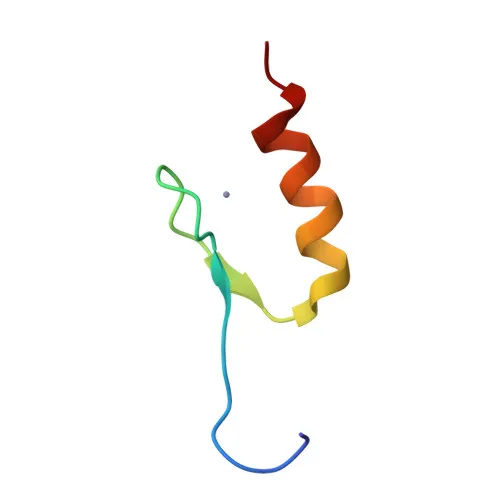
Polyclonal Antibodies
Anti-SP1 Rabbit Polyclonal Antibody for IHC-P, ELISA - P08047
Item Number : CM0030198
Price varies based on specs and customizations
- Application
- IHC-P, ELISA
- Cross Reactivity
- Human, Mouse, Rat
- Protein Weight
- 81kDa

Shipping:
Contact us to get shipping details Enjoy On-time Dispatch Guarantee.
Why Choose Us
Easy ordering process, quality products, and dedicated support for your business success.
Core Product Specifications and Parameters
| Parameter | Value |
|---|---|
| Product Name | SP1 Rabbit pAb |
| Remarks/Alias | SP1 |
| Species | Human |
| Gene ID (human) | 6667 |
| Gene ID | 6667 |
| Immunogen | Synthetic peptide corresponding to a sequence within amino acids 581-680 of human SP1 (NP_612482.2) |
| Source | Rabbit |
| Category | Polyclonal Antibodies |
| Application | IHC-P, ELISA |
| Cross Reactivity | Human, Mouse, Rat |
| SWISS | P08047 |
| Protein Weight | 81kDa |
| Shipping | Ice bag |
Biological Background: SP1 Function and Localization
- SP1 (Transcription factor Sp1) is a zinc-finger transcription factor that binds GC-rich promoter elements to activate or repress target gene expression, playing key roles in cell growth, apoptosis, differentiation, and immune responses.
- It undergoes extensive post-translational modifications including phosphorylation, sumoylation, glycosylation, acetylation, and proteolytic cleavage, which regulate its activity.
- SP1 is implicated in chromatin remodeling and modulates cellular responses to DNA damage.
- In complex with ATF7IP, SP1 maintains telomerase activity in cancer cells by inducing TERT and TERC gene expression.
- Isoform 3, which is ubiquitously expressed at low levels, acts as a stronger transcriptional activator than isoform 1.
- SP1 positively regulates the transcription of circadian clock component BMAL1. Related references: PMID:10391891 PMID:11371615 PMID:11904305
- Subcellularly, SP1 localizes mainly to the nucleus but can also be found in the cytoplasm.
- It plays a protective role against oxidative stress following brain injury by regulating RNF112 expression.
Experimental Guidance and Technical Tips
- The immunogen used to generate this antibody corresponds to amino acids 581–680 of human SP1. When working with isoforms or species variants, verify sequence homology to ensure expected reactivity.
- For immunohistochemistry (IHC-P), consider performing antigen retrieval as required by your protocol and include positive tissue controls such as stomach adenocarcinoma where SP1 is known to be upregulated.
- In ELISA applications, using the immunogen peptide as a positive control is advisable to confirm detection sensitivity.
- As this is a polyclonal antibody, validate specificity in your target tissue or cell line using appropriate controls, and test batch-to-batch consistency for critical experiments.
CamelBio: Your One-Stop Sourcing Bridge
CamelBio provides diagnostic manufacturers and research institutes with one-stop access to IVD raw materials, technical services, and consulting. For transcription factor targets like SP1, we offer validated antibody pairs, optimized polyclonal antibodies, and rare target sourcing solutions. Our supply capabilities cover every stage from concept to clinic, ensuring reliable procurement for your diagnostic development needs.
REQUEST A QUOTE
Our professional team will reply to you within one business day. Please feel free to contact us!