Polyclonal Antibodies
Anti-SOST Rabbit Polyclonal Antibody for WB and ELISA - Q9BQB4
Item Number : CM0019015
Price varies based on specs and customizations
- Application
- WB, ELISA
- Cross Reactivity
- Human
- Protein Weight
- 24kDa

Shipping:
Contact us to get shipping details Enjoy On-time Dispatch Guarantee.
Why Choose Us
Easy ordering process, quality products, and dedicated support for your business success.
Core Product Specifications and Parameters
| Parameter | Value |
|---|---|
| Product Name | SOST Rabbit pAb |
| Remarks/Alias | SOST; CDD; DAND6; SOST1; VBCH; sclerostin |
| Species | Human |
| Gene ID | 50964 |
| Immunogen | Recombinant fusion protein containing a sequence corresponding to amino acids 24-213 of human SOST (NP_079513.1) |
| Source | Rabbit |
| Category | Polyclonal Antibodies |
| Application | WB, ELISA |
| Cross Reactivity | Human |
| SWISS | Q9BQB4 |
| Protein Weight | 24kDa |
| Shipping | Ice bag |
Biological Background: SOST Function and Localization
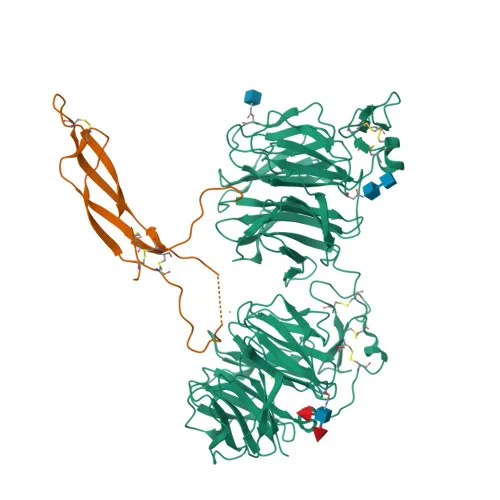
- Sclerostin (SOST) is a secreted glycoprotein that acts as a negative regulator of bone growth by inhibiting the Wnt signaling pathway.
- Encoded by the SOST gene, alternative splicing produces multiple transcript variants; the canonical protein is a 24 kDa mature polypeptide after signal peptide cleavage (residues 1–23).
- It is primarily localized to the extracellular matrix and secreted into the extracellular space, consistent with its role in intercellular signaling.
- SOST is widely expressed at low levels, with highest expression in bone, cartilage, kidney, liver, bone marrow, and differentiated osteoblasts; it is also detected in the subendothelial layer of the aortic intima.
- The protein contains a cystine-knot motif stabilized by disulfide bonds and is modified by N‑linked glycosylation, contributing to its structural stability and interactions.
- Mutations in SOST are associated with sclerosteosis and van Buchem disease, highlighting its critical role in bone homeostasis (disease variant keyword in UniProt).
Experimental Guidance and Technical Tips
- The immunogen covers amino acids 24–213 of human SOST, corresponding to the mature secreted protein; consider using recombinant sclerostin as a positive control in immunoassays.
- For Western blot, a band of approximately 24 kDa is expected under reducing conditions; validate detection in lysates from osteoblast or bone tissue samples.
- This polyclonal antibody is suitable for ELISA; however, due to its polyclonal nature, it may exhibit lot‑to‑lot variability — pair with a monoclonal capture/detection antibody for consistent sandwich ELISA performance.
- For optimal results, optimize sample preparation for secreted proteins (e.g., concentrate conditioned media if analyzing cell supernatants).
CamelBio: Your One-Stop Sourcing Bridge
CamelBio provides diagnostic manufacturers and research institutes with end‑to‑end access to IVD raw materials, including validated antibody pairs, bulk polyclonal and monoclonal antibodies, and ancillary reagents. This anti‑sclerostin polyclonal antibody exemplifies our capability to source rare‑target raw materials for bone metabolism and osteoporosis research. Whether you are developing an ELISA kit or need consistent supplies for clinical applications, CamelBio bridges your project from concept to clinic.
REQUEST A QUOTE
Our professional team will reply to you within one business day. Please feel free to contact us!