Polyclonal Antibodies
Anti-SORT1 Rabbit Polyclonal Antibody for WB and ELISA - Q99523
Item Number : CM0027046
Price varies based on specs and customizations
- Application
- WB, ELISA
- Cross Reactivity
- Human, Mouse, Rat
- Protein Weight
- 92kDa

Shipping:
Contact us to get shipping details Enjoy On-time Dispatch Guarantee.
Why Choose Us
Easy ordering process, quality products, and dedicated support for your business success.
Core Product Specifications and Parameters
| Parameter | Value |
|---|---|
| Product Name | SORT1 Rabbit pAb |
| Remarks/Alias | NT3; Gp95; NTR3; LDLCQ6; SORT1 |
| Species | Human |
| GeneID (Human) | 6272 |
| GeneID | 6272 |
| Immunogen | Recombinant fusion protein containing a sequence corresponding to amino acids 785-823 of human SORT1 (NP_002950.3). |
| Source | Rabbit |
| Category | Polyclonal Antibodies |
| Application | WB, ELISA |
| Cross Reactivity | Human, Mouse, Rat |
| SWISS | Q99523 |
| Protein Weight | 92kDa |
| Shipping | Ice bag |
Biological Background: Sortilin Function and Localization
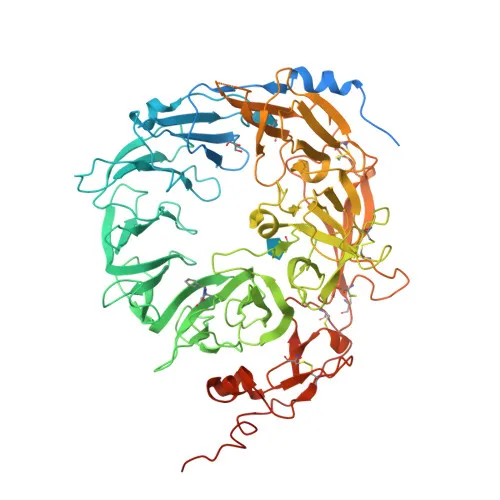
- Sortilin, also known as 100 kDa NT receptor, Gp95, or Neurotensin receptor 3, is a type I transmembrane glycoprotein encoded by the SORT1 gene. It belongs to the VPS10 domain receptor family, which is involved in intracellular protein sorting and signaling.
- Functions as a sorting receptor in the trans-Golgi network, mediating the transport of lysosomal enzymes and other cargo to endosomes and lysosomes in a mannose-6-phosphate receptor-independent manner (PubMed:16787399). Related references: PMID:16787399
- Acts as a clearance receptor at the cell surface, binding and internalizing ligands such as neurotensin, proBDNF, and proNGFB, thereby promoting neuronal apoptosis and regulating neurotrophic signaling.
- Involved in the formation of specialized GLUT4 storage vesicles in adipocytes, contributing to insulin-responsive glucose transport. Also plays a role in extracellular matrix mineralization during osteogenic differentiation by scavenging lipoprotein lipase.
- Subcellularly, sortilin localizes to multiple membrane compartments including the Golgi apparatus, endosomes, lysosomes, endoplasmic reticulum, and the cell membrane, consistent with its dynamic trafficking roles.
- Expressed widely in the brain, spinal cord, heart, skeletal muscle, thyroid, placenta, and testis, with lower levels in lymphoid organs, kidney, colon, and liver. At the protein level, it is detected in brain and prostate.
- Post-translational modifications include glycosylation, phosphorylation, palmitoylation, and disulfide bond formation, which regulate its stability, localization, and ligand interactions. The protein undergoes proteolytic cleavage at paired basic residues, which can generate a soluble ectodomain.
- Due to its central role in protein sorting, metabolic regulation, and neuronal survival, sortilin is a key target for research in neurodegenerative, metabolic, and cardiovascular diseases. Keywords include 3D-structure, Alternative splicing, Endocytosis, Protein transport, Receptor, Glycoprotein.
Experimental Guidance and Technical Tips
- The immunogen maps to amino acids 785-823 within the C-terminal luminal/extracellular domain of human sortilin, a region conserved in mouse and rat, supporting the observed cross-reactivity. This region may be exposed in both the full-length membrane-bound form and the shed soluble ectodomain.
- For Western blot (WB), the predicted molecular weight is approximately 92 kDa; however, depending on sample type and post-translational modifications, additional bands corresponding to cleavage products or glycosylated forms may be observed. A positive control such as human brain or prostate lysate is recommended.
- For ELISA applications, the antibody can be used to capture or detect recombinant or endogenous sortilin. Consider optimizing coating conditions and detection antibody pairs for sandwich ELISA formats.
- Given the broad tissue expression, it is advisable to validate the antibody's performance in the relevant sample system (e.g., brain, adipose, or osteogenic cells) prior to major experiments.
- The antibody is provided as a liquid in ice bag shipping conditions; avoid repeated freeze-thaw cycles to maintain activity.
CamelBio: Your One-Stop Sourcing Bridge
CamelBio is a dedicated partner for diagnostic manufacturers and research laboratories, offering a comprehensive range of IVD raw materials and technical support from concept to clinic. For sortilin-related research, we provide validated antibody pairs, polyclonal and monoclonal antibodies, bulk ancillary reagents, and rapid sourcing of rare targets. Whether you need routine immunoassay development reagents or hard-to-find protein tools, our one-stop platform ensures reliable supply and expert guidance.
REQUEST A QUOTE
Our professional team will reply to you within one business day. Please feel free to contact us!