Monoclonal Antibodies
Anti-SOD1 Rabbit Monoclonal Antibody for WB, IHC-P, ELISA - P00441
Item Number : CM0007586
Price varies based on specs and customizations
- Application
- WB, IHC-P, ELISA
- Cross Reactivity
- Human
- Protein Weight
- 16kDa

Shipping:
Contact us to get shipping details Enjoy On-time Dispatch Guarantee.
Why Choose Us
Easy ordering process, quality products, and dedicated support for your business success.
Core Product Specifications and Parameters
| Parameter | Value |
|---|---|
| Product Name | SOD1 Rabbit mAb |
| Remarks/Alias | ALS; SOD; ALS1; IPOA; STAHP; hSod1; HEL-S-44; homodimer; SOD1 |
| Species | Human |
| Gene ID (Human) | 6647 |
| Gene ID | 6647 |
| Immunogen | Recombinant fusion protein containing a sequence corresponding to amino acids 2-154 of human SOD1 (NP_000445.1) |
| Source | Rabbit |
| Category | Monoclonal Antibodies |
| Application | WB, IHC-P, ELISA |
| Cross Reactivity | Human |
| SWISS | P00441 |
| Protein Weight | 16kDa |
| Shipping | Ice bag |
Biological Background: Superoxide dismutase [Cu-Zn] (SOD1) Function and Localization
- SOD1, also known as superoxide dismutase [Cu-Zn] or hydrogen sulfide oxidase, is a major antioxidant enzyme that catalyzes the dismutation of superoxide radicals into oxygen and hydrogen peroxide, protecting cells from oxidative damage.
Related references: PMID:18948262, PMID:24140062 - It also functions as a hydrogen sulfide oxidase, detoxifying H2S by catalyzing its oxidation to sulfate and limiting the accumulation of reactive sulfur species.
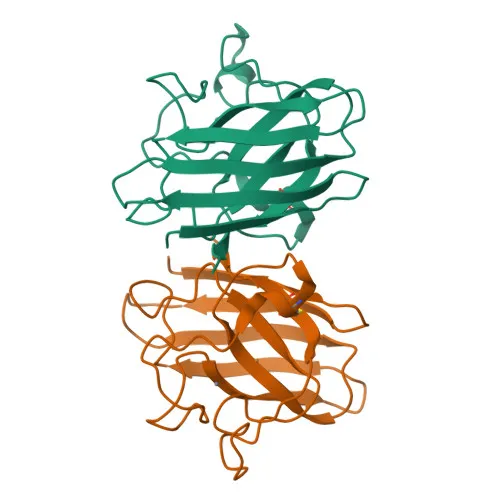
Related references: PMID:36630448 - SOD1 is a homodimeric protein that binds one copper ion and one zinc ion per subunit, which are essential for its catalytic activity and structural stability.
- The protein is primarily localized in the cytoplasm but can also be found in the nucleus, consistent with its role in combating oxidative stress in multiple cellular compartments.
- Mutations in the SOD1 gene are associated with amyotrophic lateral sclerosis (ALS), a neurodegenerative disorder, highlighting its neuroprotective role.
- Post-translational modifications include acetylation, palmitoylation, phosphorylation, and ubiquitination, which may regulate its activity, localization, and stability.
Experimental Guidance and Technical Tips
- The immunogen spans nearly the full-length human SOD1 protein (aa 2–154), so the antibody is expected to detect the native conformation and potentially denatured forms, making it suitable for WB under reducing conditions. Confirm the observed band at ~16 kDa.
- For IHC-P, consider testing on paraffin-embedded human tissues with high SOD1 expression (e.g., liver, kidney) and include appropriate antigen retrieval steps; nuclear and cytoplasmic staining should be evaluated.
- In ELISA, pair this monoclonal antibody as a capture or detection reagent with a validated polyclonal antibody to enhance sensitivity; optimize coating and blocking conditions for your specific assay format.
- Given SOD1’s role in oxidative stress and neurodegenerative diseases, validate antibody performance in disease-relevant cell models (e.g., neuronal lines) and patient-derived samples.
CamelBio: Your One-Stop Sourcing Bridge
CamelBio is a one-stop sourcing partner for IVD raw materials, offering validated antibody pairs, optimized monoclonal/polyclonal antibodies, and bulk ancillary reagents. For oxidative stress and neurodegenerative disease research, we supply high-performance anti-SOD1 antibodies and can source rare-target raw materials to accelerate your assay development from concept to clinic. Our comprehensive portfolio and technical support streamline your procurement and development workflow.
REQUEST A QUOTE
Our professional team will reply to you within one business day. Please feel free to contact us!