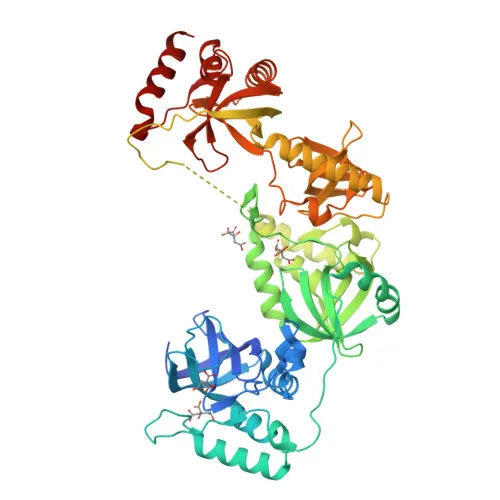
Polyclonal Antibodies
Anti-SND1 Rabbit Polyclonal Antibody (KO Validated) for WB, IHC-P, IF/ICC, IP, ELISA - Q7KZF4
Item Number : CM0030480
Price varies based on specs and customizations
- Application
- WB, IHC-P, IF/ICC, IP, ELISA
- Cross Reactivity
- Human, Mouse, Rat
- Protein Weight
- 102kDa

Shipping:
Contact us to get shipping details Enjoy On-time Dispatch Guarantee.
Why Choose Us
Easy ordering process, quality products, and dedicated support for your business success.
Core Product Specifications and Parameters
| Parameter | Value |
|---|---|
| Product Name | [KO Validated] SND1 Rabbit pAb |
| Remarks/Alias | p100; TDRD11; Tudor-SN; D1 |
| Species | Human |
| GeneID (Human) | 27044 |
| GeneID | 27044 |
| Immunogen | Recombinant fusion protein containing a sequence corresponding to amino acids 26-285 of human SND1 (NP_055205.2). |
| Source | Rabbit |
| Category | Polyclonal Antibodies |
| Application | WB, IHC-P, IF/ICC, IP, ELISA |
| Cross Reactivity | Human, Mouse, Rat |
| SWISS | Q7KZF4 |
| Protein Weight | 102kDa |
| Shipping | Ice bag |
Biological Background: SND1 Function and Localization
- SND1, also known as p100 coactivator, TDRD11, or Tudor-SN, is a 102 kDa protein encoded by the SND1 gene (GeneID: 27044) in humans.
- It functions as an endonuclease mediating miRNA decay, regulating both AGO2-loaded and protein-free miRNAs, and controls G1-to-S phase transition. Related references: PMID:18453631 PMID:28546213
- SND1 acts as a bridging factor between STAT6 and the basal transcription machinery, facilitating transcriptional activation. Related references: PMID:12234934
- It plays a role in PIM1-mediated regulation of MYB activity. Related references: PMID:9809063
- SND1 is located in the cytoplasm, nucleus, and melanosomes, and is ubiquitously expressed across tissues.
- Post-translational modifications include acetylation, phosphorylation, and ubiquitin conjugation (isopeptide bond), as indicated by proteomics studies.
- During microbial infection, SND1 functions as a coactivator for Epstein-Barr virus nuclear antigen 2 (EBNA2) and promotes SARS-CoV-2 RNA synthesis by interacting with viral negative-sense RNA and nsp9 protein.
Experimental Guidance and Technical Tips
- The immunogen (amino acids 26-285) targets the N-terminal region of human SND1, which contains the staphylococcal nuclease domains; this region may be well-conserved across species, consistent with the reported cross-reactivity with mouse and rat.
- For Western blot, expect a major band at approximately 102 kDa; consider using knockout-validated lysates to confirm specificity.
- In immunohistochemistry (IHC-P), antigen retrieval and dilution optimization are recommended; a wide variety of tissues can be tested due to ubiquitous expression.
- For immunofluorescence (IF/ICC), SND1 localization in nucleus and cytoplasm can be assessed; proper fixation and permeabilization are critical for accurate staining.
- The antibody is suitable for immunoprecipitation (IP) and ELISA; validate performance in the specific experimental system.
- When studying miRNA decay or transcriptional regulation, combine with appropriate functional assays to confirm biological relevance.
CamelBio: Your One-Stop Sourcing Bridge
CamelBio provides diagnostic manufacturers, laboratories, and research institutes with reliable access to high-quality IVD raw materials, including validated antibody pairs, monoclonal/polyclonal antibodies, and ancillary reagents. Our anti-SND1 polyclonal antibody supports research into miRNA regulation, transcriptional control, and viral interactions. As a trusted sourcing partner, we help streamline procurement from concept to clinic, offering bulk ordering and customized raw-material solutions for your assay development needs.
Product Datasheet
Anti-SND1 Rabbit Polyclonal Antibody (KO Validated) for WB, IHC-P, IF/ICC, IP, ELISA - Q7KZF4
REQUEST A QUOTE
Our professional team will reply to you within one business day. Please feel free to contact us!