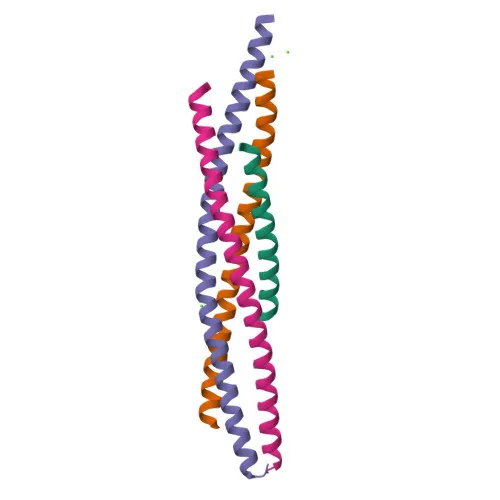
Monoclonal Antibodies
Anti-SNAP25 Rabbit Monoclonal Antibody for WB, ELISA - P60880
Item Number : CM0006600
Price varies based on specs and customizations
- Application
- WB, ELISA
- Cross Reactivity
- Mouse, Rat
- Protein Weight
- 23kDa

Shipping:
Contact us to get shipping details Enjoy On-time Dispatch Guarantee.
Why Choose Us
Easy ordering process, quality products, and dedicated support for your business success.
Core Product Specifications and Parameters
| Parameter | Value |
|---|---|
| Product Name | SNAP25 Rabbit mAb |
| Remarks/Alias | SUP; RIC4; SEC9; SNAP; CMS18; RIC-4; SNAP-25; bA416N4.2; dJ1068F16.2; SNAP25 |
| Species | Human |
| Gene ID (Human) | 6616 |
| Immunogen | Synthetic Peptide |
| Source | Rabbit |
| Category | Monoclonal Antibodies |
| Application | WB, ELISA |
| Cross Reactivity | Mouse, Rat |
| SWISS | P60880 |
| Protein Weight | 23kDa |
| Shipping | Ice bag |
Biological Background: SNAP25 Function and Localization
- Synaptosomal-associated protein 25 (SNAP25) is a 23 kDa t-SNARE protein encoded by the SNAP25 gene, also known as SUP or SNAP-25, and plays a central role in neurotransmitter release by mediating synaptic vesicle docking and fusion.
- As a core component of the SNARE complex, SNAP25 associates with syntaxin and synaptobrevin to drive the fusion of synaptic vesicles with the presynaptic membrane, essential for fast synaptic transmission.
- SNAP25 is localized to the cytoplasm (perinuclear region), cell membrane, synapse, and synaptosome, reflecting its dynamic trafficking and functional compartmentalization.
- It is predominantly expressed in specific neuronal populations, including the neocortex, hippocampus, piriform cortex, anterior thalamic nuclei, pontine nuclei, and cerebellar granule cells, linking it to learning and memory processes.
- Beyond neurotransmitter release, SNAP25 regulates plasma membrane recycling through interaction with CENPF and modulates the gating of delayed rectifier potassium channels (e.g., KCNB1) in pancreatic beta cells, implicating it in insulin secretion.
- Post-translational modifications include palmitoylation for membrane anchoring, phosphorylation, and alternative splicing, which may fine-tune its function and interactions.
- Clinically, SNAP25 variants are associated with neurological disorders such as epilepsy and intellectual disability, underscoring its importance in brain development and function.
Experimental Guidance and Technical Tips
- The immunogen corresponds to a synthetic peptide within amino acids 107–206 of human SNAP25, a region that may provide specificity for the target. Verify performance on your sample type.
- For Western blot, the predicted molecular weight is ~23 kDa; use appropriate reducing conditions and include brain tissue lysates (mouse/rat, given reported cross-reactivity) as positive controls.
- For ELISA, consider using the peptide immunogen or recombinant SNAP25 protein to establish standard curves; note that post-translational modifications in native samples might affect binding.
- Because SNAP25 exists in multiple splice variants and undergoes dynamic localization, confirm antibody reactivity under your experimental conditions (e.g., membrane-enriched fractions).
CamelBio: Your One-Stop Sourcing Bridge
CamelBio provides diagnostic manufacturers and research laboratories with reliable access to IVD raw materials, including validated antibody pairs, optimized monoclonal and polyclonal antibodies, and bulk ancillary reagents. For neuroscience and synaptic research targets like SNAP25, CamelBio streamlines procurement from multiple qualified sources, offering one-stop convenience from concept to clinic. Contact us to explore custom sourcing of rare targets, technical support, and seamless supply integration for your assay development needs.
REQUEST A QUOTE
Our professional team will reply to you within one business day. Please feel free to contact us!