Polyclonal Antibodies
Anti-SMOX Rabbit Polyclonal Antibody for WB, IHC-P, ELISA - Q9NWM0
Item Number : CM0015548
Price varies based on specs and customizations
- Application
- WB, IHC-P, ELISA
- Cross Reactivity
- Human, Mouse, Rat
- Protein Weight
- 62kDa

Shipping:
Contact us to get shipping details Enjoy On-time Dispatch Guarantee.
Why Choose Us
Easy ordering process, quality products, and dedicated support for your business success.
Core Product Specifications and Parameters
| Parameter | Value |
|---|---|
| Product Name | SMOX Rabbit pAb |
| Remarks/Alias | PAO; SMO; PAO1; PAOH; PAO-1; PAOH1; C20orf16; SMOX |
| Species | Human |
| Gene ID | 54498 |
| Immunogen | Recombinant fusion protein containing a sequence corresponding to amino acids 300-544 of human SMOX (NP_787033.1) |
| Source | Rabbit |
| Category | Polyclonal Antibodies |
| Application | WB, IHC-P, ELISA |
| Cross Reactivity | Human, Mouse, Rat |
| SWISS | Q9NWM0 |
| Protein Weight | 62kDa |
| Shipping | Ice bag |
Biological Background: Spermine Oxidase (SMOX) Function and Localization
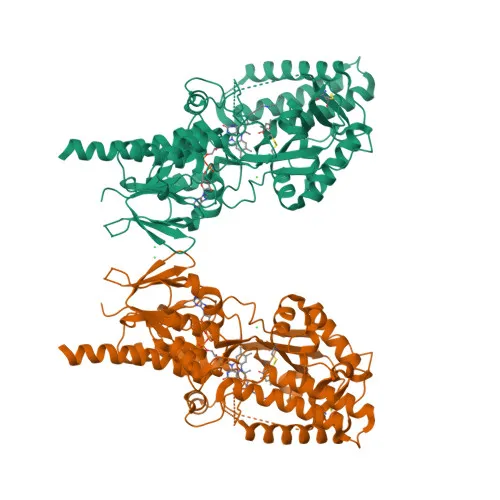
- SMOX (Spermine oxidase, also known as PAO1/PAOh1) is a flavin adenine dinucleotide (FAD)-dependent enzyme that catalyzes the oxidation of spermine to spermidine, producing 3-aminopropanal and hydrogen peroxide. It can also utilize N1-acetylspermine and spermidine as substrates, with isoform-dependent affinities.
- The enzyme plays a critical role in polyamine homeostasis, regulating intracellular spermine and spermidine levels, and influences cellular sensitivity to antitumor polyamine analogs.
- SMOX contributes to the production of beta-alanine through the aldehyde dehydrogenase-mediated conversion of 3-aminopropanal, linking polyamine catabolism to other metabolic pathways.
- Subcellular localization studies indicate that SMOX is present in both the cytoplasm and the nucleus, suggesting functions in distinct cellular compartments.
- The protein is widely expressed across tissues, with detectable levels in human tumor cell lines. An alternative isoform (isoform 4) has been specifically identified in an embryonal kidney cell line.
- SMOX belongs to the oxidoreductase family and is a flavoprotein, requiring FAD as a cofactor. It undergoes alternative splicing, resulting in multiple isoforms with potentially varied functional roles.
Experimental Guidance and Technical Tips
- The immunogen corresponds to a region spanning amino acids 300–544 of human SMOX, which is well-conserved across human, mouse, and rat homologs. For Western blot (WB), a band around 62 kDa is expected; however, multiple isoforms may yield distinct bands, so optimize sample preparation and loading controls.
- In immunohistochemistry (IHC-P), consider antigen retrieval methods and antibody titration to minimize background, given the broad tissue expression of SMOX. Validate staining specificity with appropriate controls.
- For ELISA, ensure proper coating and detection conditions; cross-reactivity with other polyamine oxidases should be evaluated if specificity is critical.
- Since SMOX is a flavoprotein, avoid reducing agents that might affect FAD binding if used in functional assays.
- Validate detection in the relevant sample systems, as isoform expression and subcellular localization may vary with cell type and treatment conditions.
CamelBio: Your One-Stop Sourcing Bridge
CamelBio provides diagnostic manufacturers, labs, and research institutes with one-stop access to IVD raw materials, technical services, and consulting. For SMOX research, we offer validated antibody pairs, optimized polyclonal antibodies, bulk ancillary reagents, and rare target raw-material sourcing, supporting your polyamine metabolism and oncology applications from concept to clinic.
REQUEST A QUOTE
Our professional team will reply to you within one business day. Please feel free to contact us!