Monoclonal Antibodies
Anti-SMARCB1/SNF5 Monoclonal Antibody for WB, IHC-P, IP, ELISA - Q12824
Item Number : CM0011046
Price varies based on specs and customizations
- Application
- WB, IHC-P, IP, ELISA
- Cross Reactivity
- Human, Mouse, Rat
- Protein Weight
- 44kDa

Shipping:
Contact us to get shipping details Enjoy On-time Dispatch Guarantee.
Why Choose Us
Easy ordering process, quality products, and dedicated support for your business success.
Core Product Specifications and Parameters
| Parameter | Value |
|---|---|
| Product Name | [KO Validated] SMARCB1/SNF5 Rabbit mAb |
| Remarks/Alias | RDT; CSS3; INI1; SNF5; Snr1; BAF47; INI-1; MRD15; RTPS1; Sfh1p; hSNFS; SNF5L1; SWNTS1; PPP1R144; F5 |
| Species | Human |
| Gene ID (Human) | 6598 |
| Gene ID | 6598 |
| Immunogen | Synthetic Peptide |
| Source | Rabbit |
| Category | Monoclonal Antibodies |
| Application | WB, IHC-P, IP, ELISA |
| Cross Reactivity | Human, Mouse, Rat |
| SWISS | Q12824 |
| Protein Weight | 44kDa |
| Shipping | Ice bag |
Biological Background: SMARCB1/SNF5 Function and Localization
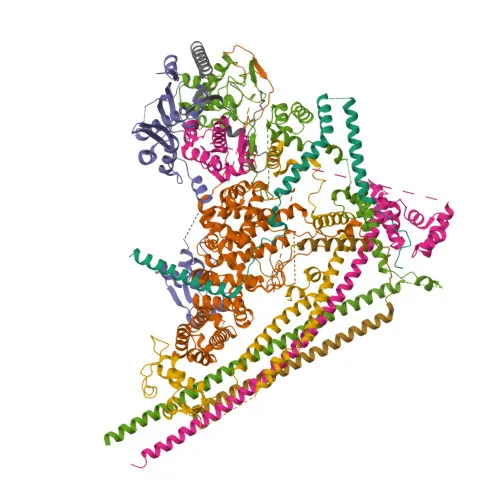
- SMARCB1 (also known as BAF47, INI1, SNF5, hSNF5) is a core component of the SWI/SNF (BAF) ATP-dependent chromatin-remodeling complex.
- The BAF complex alters nucleosome structure, creating asymmetric altosomes from nucleosomal arrays, thereby regulating gene accessibility and transcription.
- SMARCB1 stimulates the remodeling activity of SMARCA4/BRG1 and is involved in activation of the CSF1 promoter, impacting macrophage differentiation.
- It plays a critical role in cell-cycle control, inducing G0/G1 arrest, and acts as a tumor suppressor frequently inactivated in malignant rhabdoid tumors and other cancers.
- SMARCB1 belongs to neural progenitor-specific (npBAF) and neuron-specific (nBAF) chromatin remodeling complexes, essential for neural stem cell self-renewal and postmitotic neuronal differentiation.
- The protein localizes exclusively to the nucleus, where it participates in transcriptional regulation, DNA binding, and chromatin organization.
- Key post-translational modifications include phosphorylation, ubiquitination, and isopeptide bond formation; it also interacts with viral integrases, such as HIV-1 integrase, linking it to host-virus interactions.
Experimental Guidance and Technical Tips
- The immunogen corresponds to a sequence within amino acids 50–150 of human SMARCB1; optimal epitope exposure should be confirmed for each application.
- For Western blotting, a band near the predicted molecular weight of 44 kDa is expected; validate with appropriate positive and negative control lysates from human, mouse, or rat tissues.
- In immunohistochemistry (IHC-P), consider antigen retrieval protocols and use tissue sections with known SMARCB1 expression (e.g., normal kidney or tumor samples) as positive controls; loss of nuclear staining is characteristic of SMARCB1-deficient tumors.
- The antibody is suitable for immunoprecipitation of native SMARCB1-containing complexes; co-immunoprecipitation of BAF complex members (e.g., BRG1) may be assessed.
- For ELISA, the peptide immunogen allows direct detection; matrix effects and cross-reactivity should be validated with full-length protein if needed.
- Cross-reactivity with mouse and rat SMARCB1 is reported; verify in your specific experimental model and application.
CamelBio: Your One-Stop Sourcing Bridge
CamelBio supports diagnostic manufacturers and research laboratories with integrated access to IVD raw materials, facilitating chromatin remodeling and oncology research. Our portfolio includes validated monoclonal antibodies like this SMARCB1/SNF5 clone, along with optimized antibody pairs, bulk ancillary reagents, and rare target sourcing. Reach out to discuss custom supply solutions tailored to your assay development needs.
Product Datasheet
Anti-SMARCB1/SNF5 Monoclonal Antibody for WB, IHC-P, IP, ELISA - Q12824
REQUEST A QUOTE
Our professional team will reply to you within one business day. Please feel free to contact us!