Polyclonal Antibodies
Anti-Smad4 Polyclonal Antibody for WB, IF/ICC, IHC-P, ELISA - Q13485
Item Number : CM0025045
Price varies based on specs and customizations
- Application
- WB, IF/ICC, IHC-P, ELISA
- Cross Reactivity
- Human, Mouse, Rat
- Protein Weight
- 60 kDa

Shipping:
Contact us to get shipping details Enjoy On-time Dispatch Guarantee.
Why Choose Us
Easy ordering process, quality products, and dedicated support for your business success.
Core Product Specifications and Parameters
| Parameter | Value |
|---|---|
| Product Name | Smad4 Rabbit pAb |
| Remarks/Alias | JIP; DPC4; MADH4; MYHRS; Smad4 |
| Species | Human |
| GeneID (Human) | 4089 |
| GeneID | 4089 |
| Immunogen | Recombinant fusion protein containing a sequence corresponding to amino acids 320-552 of human Smad4 (NP_005350.1) |
| Source | Rabbit |
| Category | Polyclonal Antibodies |
| Application | WB, IF/ICC, IHC-P, ELISA |
| Cross Reactivity | Human, Mouse, Rat |
| SWISS | Q13485 |
| Protein Weight | 60 kDa |
| Shipping | Ice bag |
Biological Background: Smad4 Function and Localization
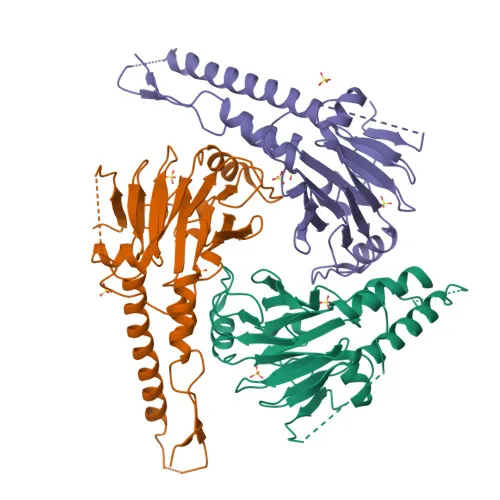
- SMAD4 is the common mediator (co-SMAD) of TGF-β superfamily signal transduction. It forms a heterotrimeric complex with receptor-regulated SMADs (e.g., SMAD2/3) in the nucleus, which is essential for TGF-β-mediated transcriptional regulation.
Related references:
PMID:25514493 - Acts as a transcriptional coactivator: SMAD4 facilitates DNA binding of the SMAD2/SMAD4/FAST-1 complex and provides an activation domain for SMAD1- or SMAD2-driven transcription. It also participates in the AP-1 transcription factor complex (SMAD3/SMAD4/JUN/FOS) to synergize TGF-β responses.
- Functions as a tumor suppressor; loss or inactivation of SMAD4 is a frequent event in pancreatic ductal adenocarcinoma, colorectal cancer, and other malignancies, underscoring its role in growth control.
- In muscle physiology, SMAD4 acts as a nodal switch: when recruited by myostatin (MSTN), it promotes atrophy through SMAD2/4 signaling; when released, it shifts to BMP-mediated hypertrophy via SMAD1/5/8 (by similarity).
- SMAD4 positively regulates PDPK1 kinase activity by promoting its dissociation from the inhibitory 14-3-3 protein YWHAQ.
- Localizes in both cytoplasm and nucleus; nuclear translocation is induced upon TGF-β or BMP stimulation, where it accumulates in transcriptionally active complexes.
- Contains N-terminal MH1 domain for DNA binding to SBEs (5’-GTCT/AGAC-3’) and C-terminal MH2 domain for receptor interaction, oligomerization, and transcriptional activation. The protein is subject to acetylation, phosphorylation, and ubiquitination.
Experimental Guidance and Technical Tips
- The immunogen corresponds to the C-terminal MH2 domain (aa 320–552), which is highly conserved across human, mouse, and rat, consistent with the reported cross-reactivity. For novel species, sequence alignment is recommended.
- For Western blotting (WB), a band at approximately 60 kDa is expected. Use appropriate loading controls and validate in TGF-β-treated versus untreated lysates to confirm specificity.
- For immunofluorescence/immunocytochemistry (IF/ICC) and immunohistochemistry (IHC-P), nuclear or cytoplasmic staining may be observed depending on signaling context. Include appropriate negative controls (e.g., knockout cell lines or blocking peptide) to verify signal specificity.
- For ELISA applications, optimize coating antigen and detection conditions. The antibody can be paired with monoclonal antibodies against different epitopes to develop sandwich ELISA systems for SMAD4 quantification.
- Given the antibody's polyclonal nature, lot-to-lot consistency should be verified in critical quantitative assays. Consider using recombinant antibody technology if reproducibility is a primary concern.
CamelBio: Your One-Stop Sourcing Bridge
CamelBio provides researchers and diagnostic manufacturers with reliable access to critical signaling pathway reagents like anti-Smad4 antibodies. From validated antibody pairs to bulk ancillary reagents, our portfolio supports the development of robust assays for TGF-β/BMP pathway analysis and cancer research. We also offer customized sourcing for rare targets, enabling seamless progression from concept to clinic.
REQUEST A QUOTE
Our professional team will reply to you within one business day. Please feel free to contact us!